The week of my graduation, I managed to escape the mountains of crates and boxes sprawled around my dorm room — so is the dance of move-out packing — and went to one of my favorite landmarks in my college town of Tallahassee, Florida: the Lafayette Heritage Trail park.
The Lafayette Heritage Trail is easily accessible and features hiking, bicycle, and kayak trails.
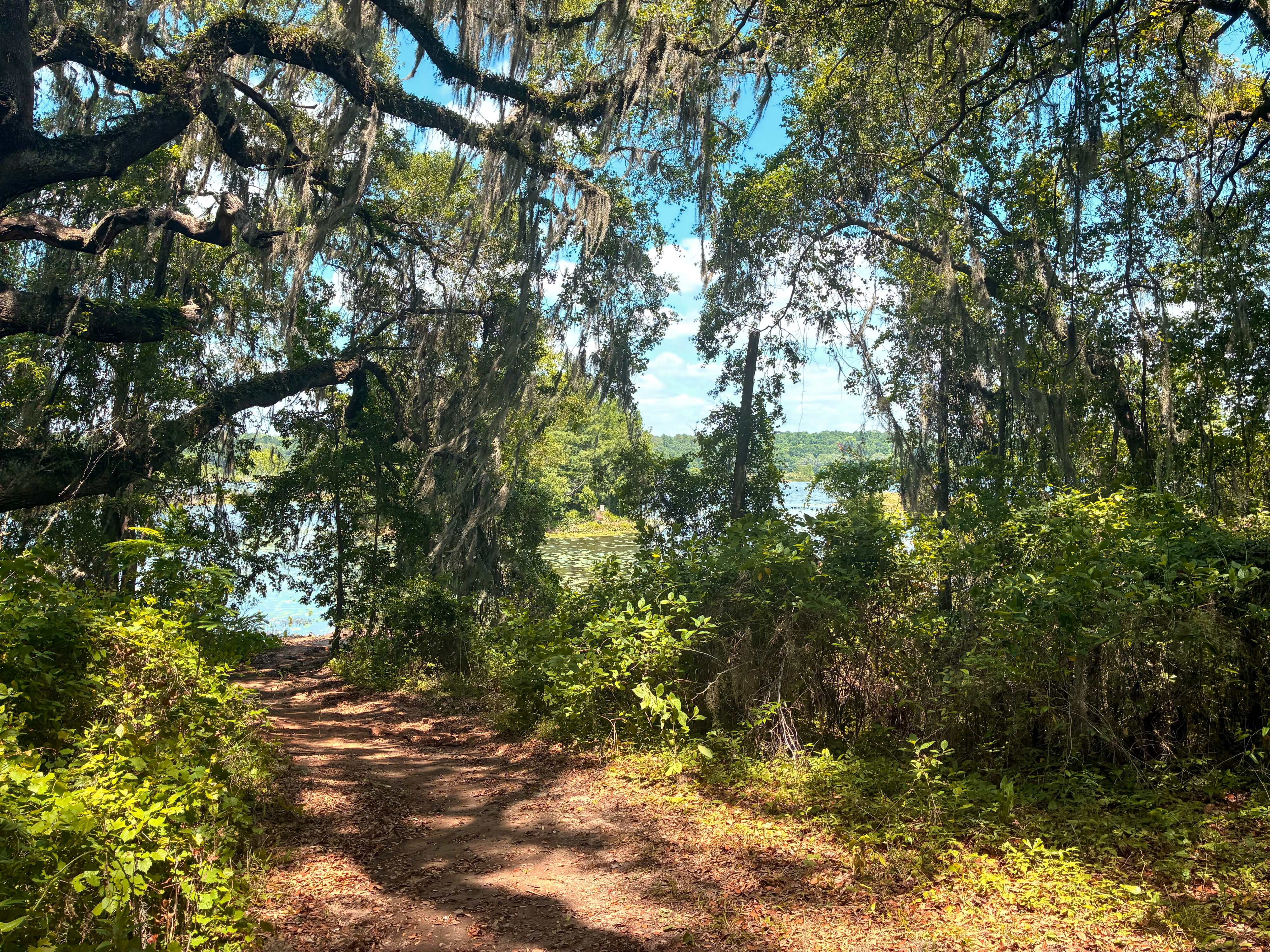
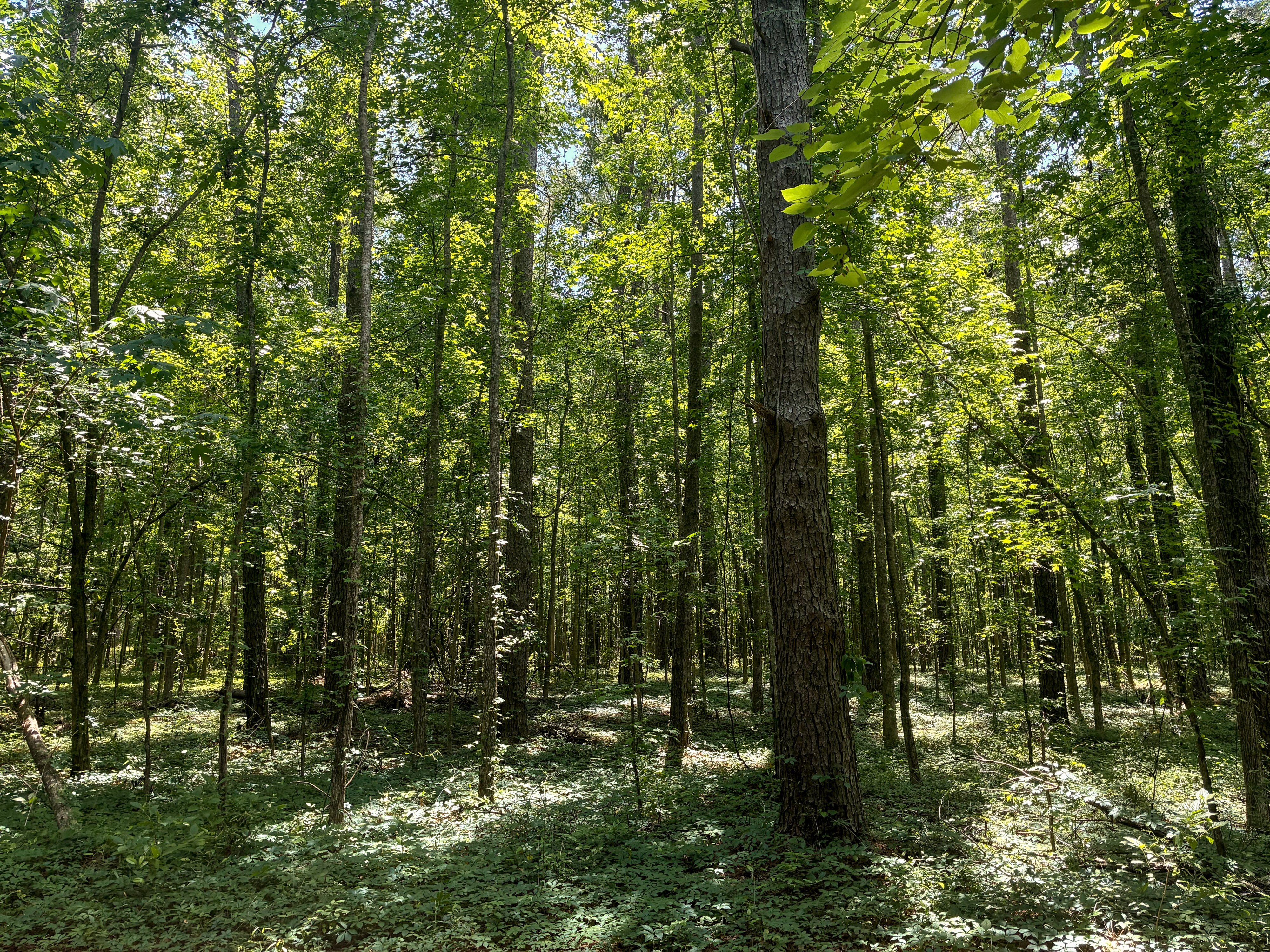
Nestled away from the area of town that my university occupies, the Lafayette Trail features a variety of hiking and bicycle trails, as well as access to fishing and kayaking. For nature lovers in Tallahassee, the trails are relatively easy to navigate, with the main trails situated around the central lake. The drops of sunlight that manage to flit through the expansive tree canopy illuminate the path, making it friendly to runners and easy-going strollers alike.
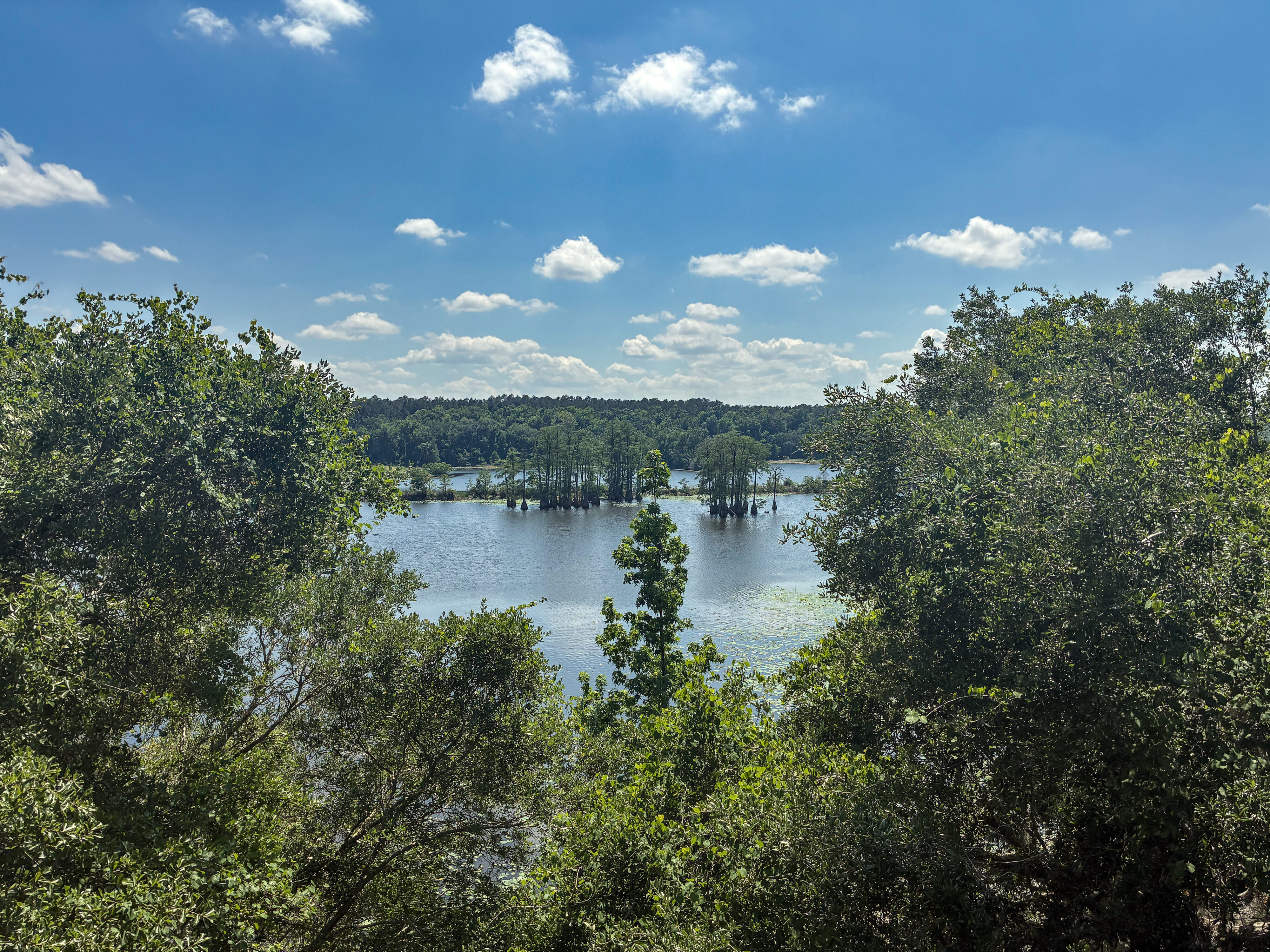
An aerial view of the central lake.
The Lafayette Trail has served as an oasis for me since I started frequenting it in my junior year. It’s why I chose to use the little freedom I had during my final week of college to return to it, wanting to soak up as much of its ethereal beauty as I could before I left. It was important to me to give this place that has provided me so much solace a proper goodbye, especially because green spaces similar to it are slowly disappearing.
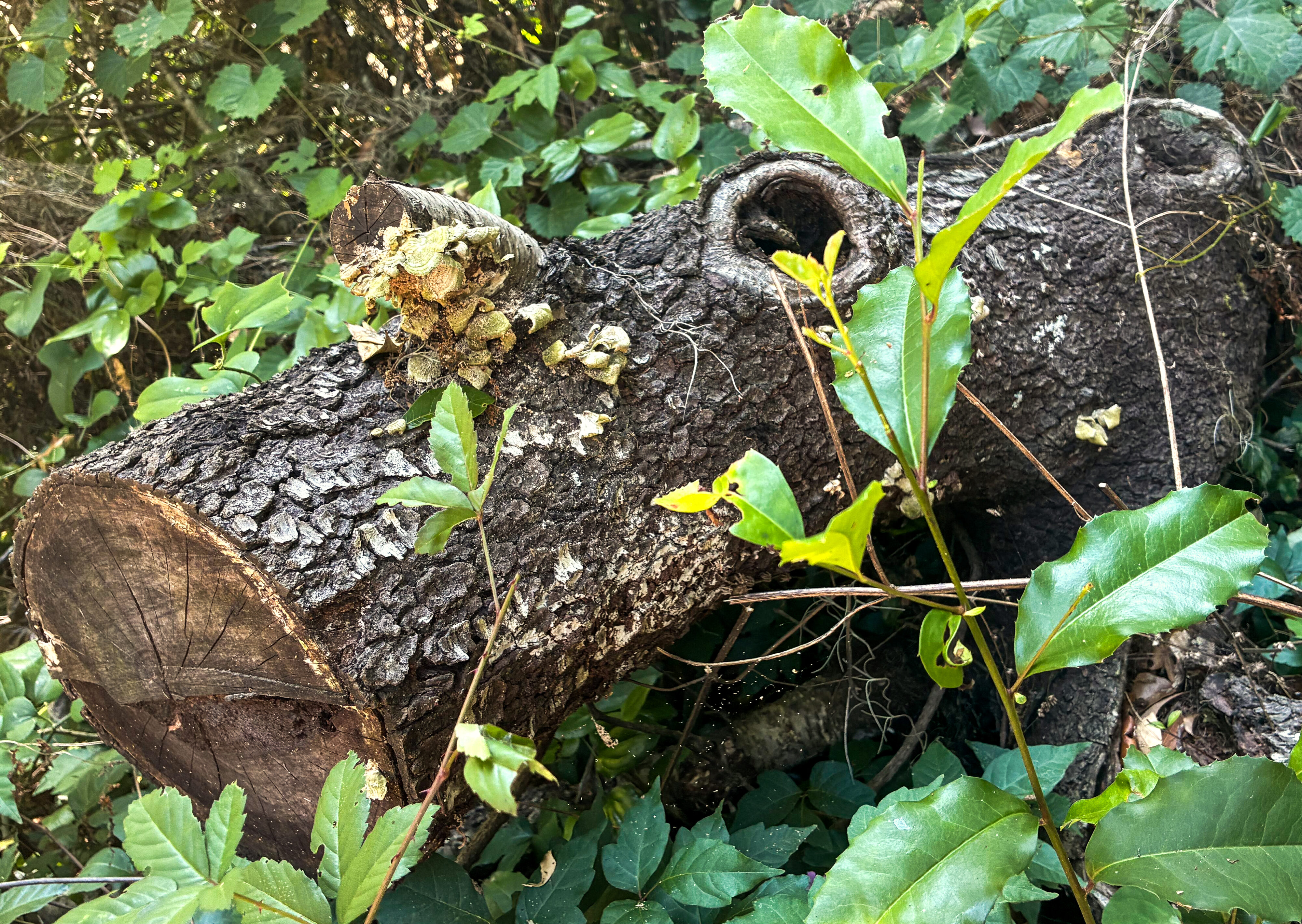
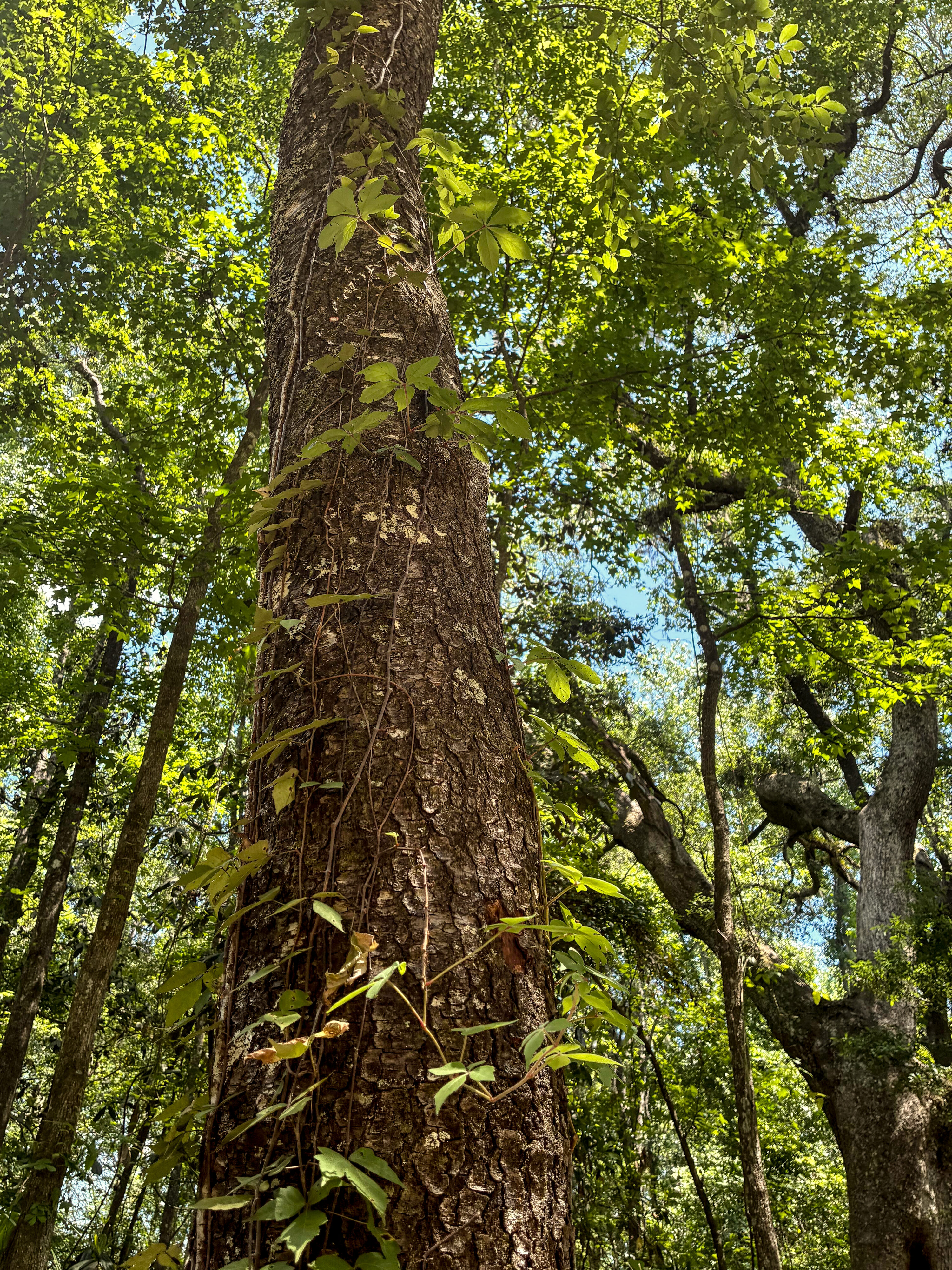
The Lafayette Heritage Trail features rich biodiversity. On this trunk, a violet-toothed polypore fungus grows.
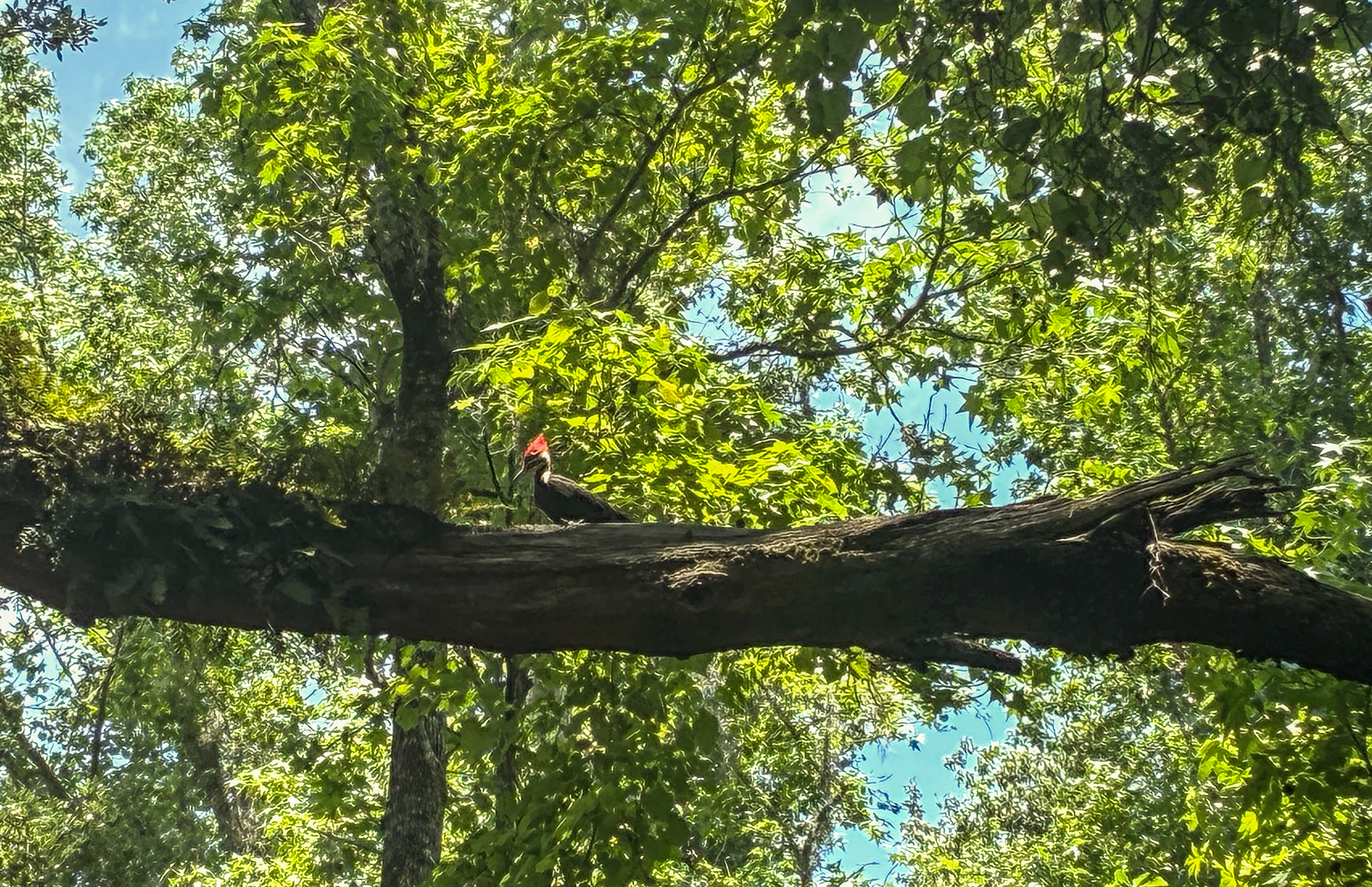
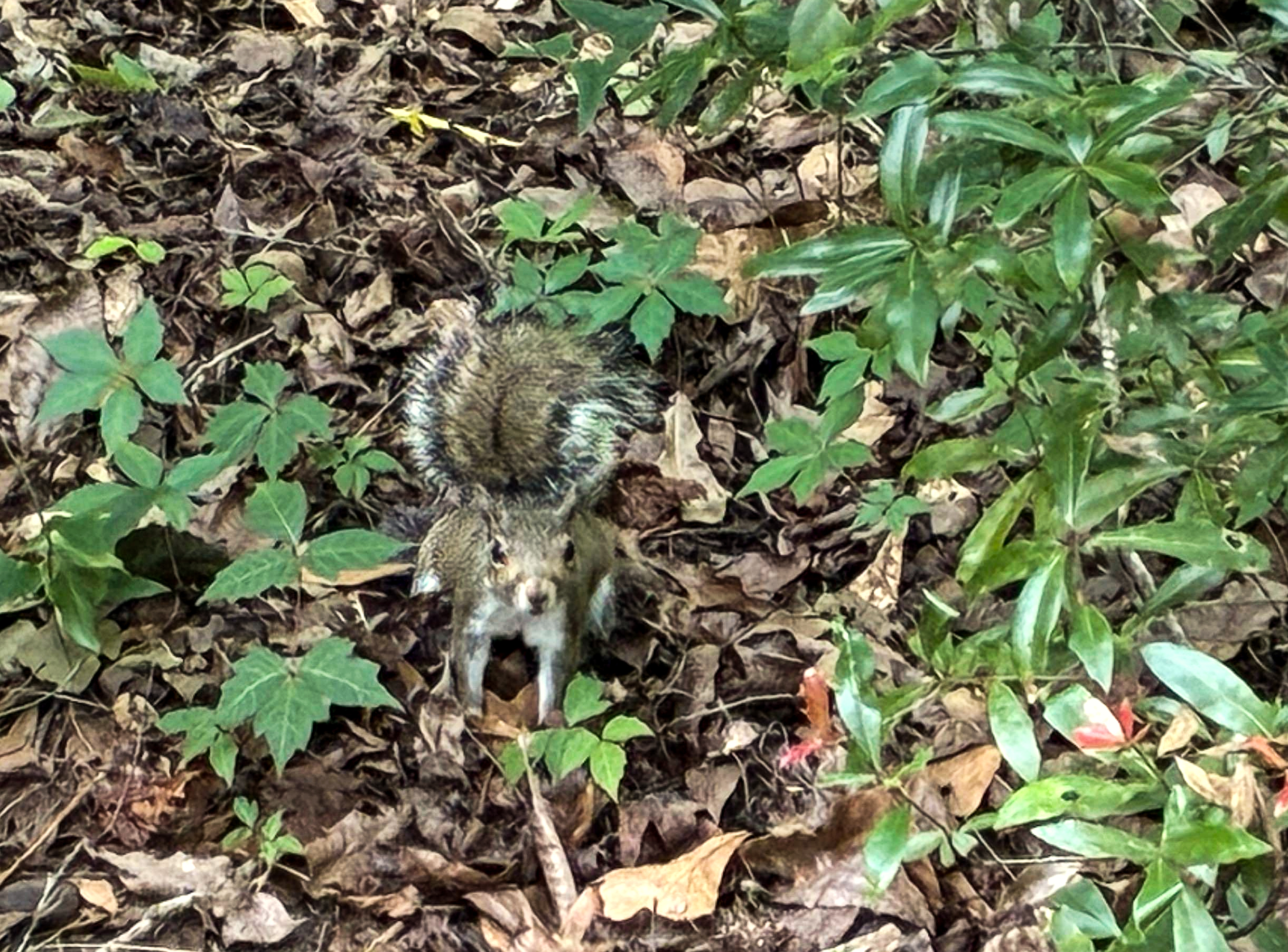
By 2060, Florida’s population is expected to double. That means that many of the critters that call the Sunshine State home, including the birds that accompany patrons of the Lafayette Park with their melodic songs, the squirrels that seem to glide as they jump from tree to tree, and the alligators that wade in the shallow water close to the bank, are likely to lose their habitat as human development expands.
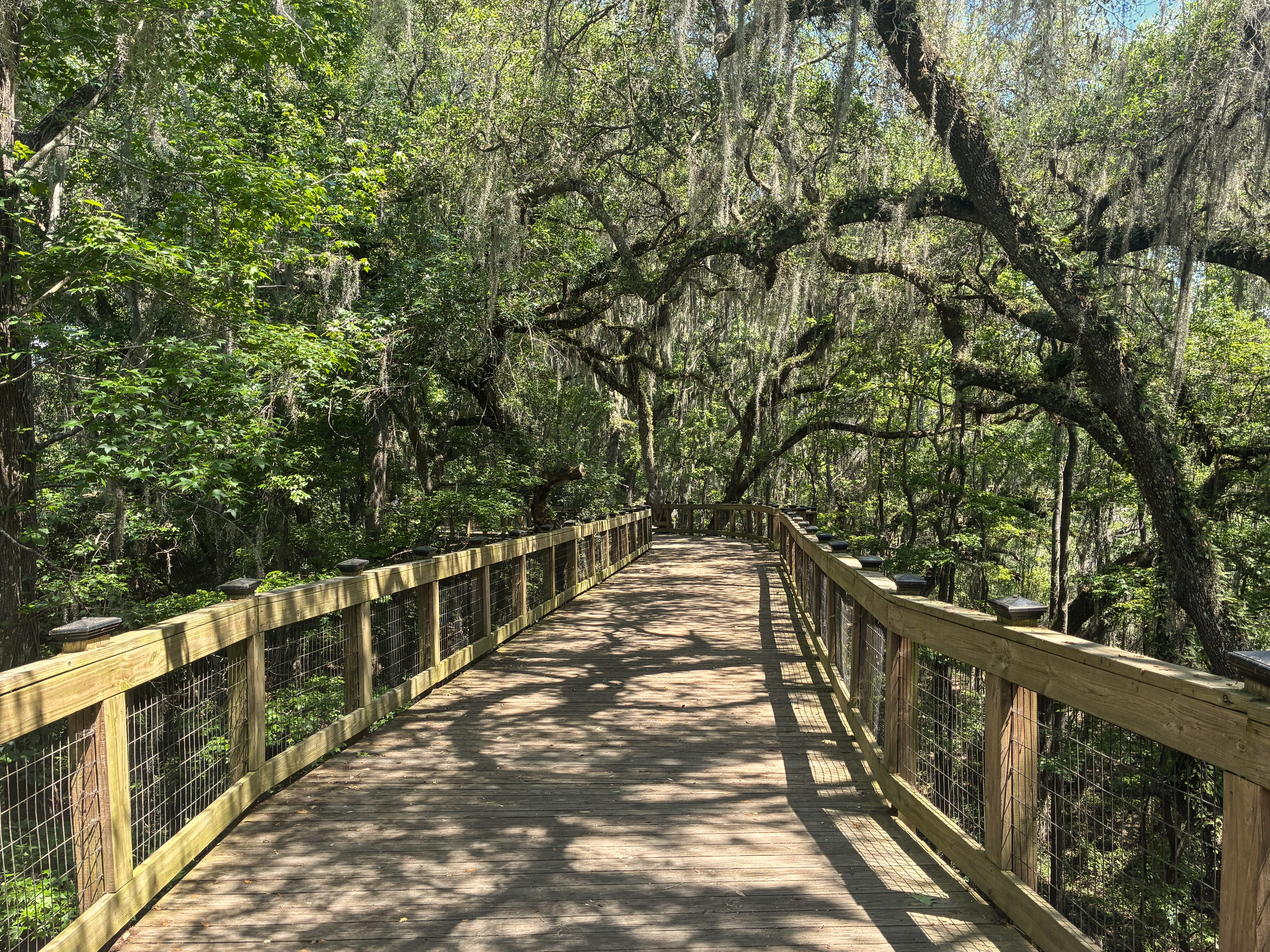
The Lafayette trail features a sky bridge, inviting visitors into the park’s expansive tree canopy.
Projections estimate that nearly 2.7 million acres of native habitats across the state will be taken over in the next 30 years — close to 70 times the land area of Washington, D.C.
Sunlight warms the path at the Lafayette Heritage Trail.
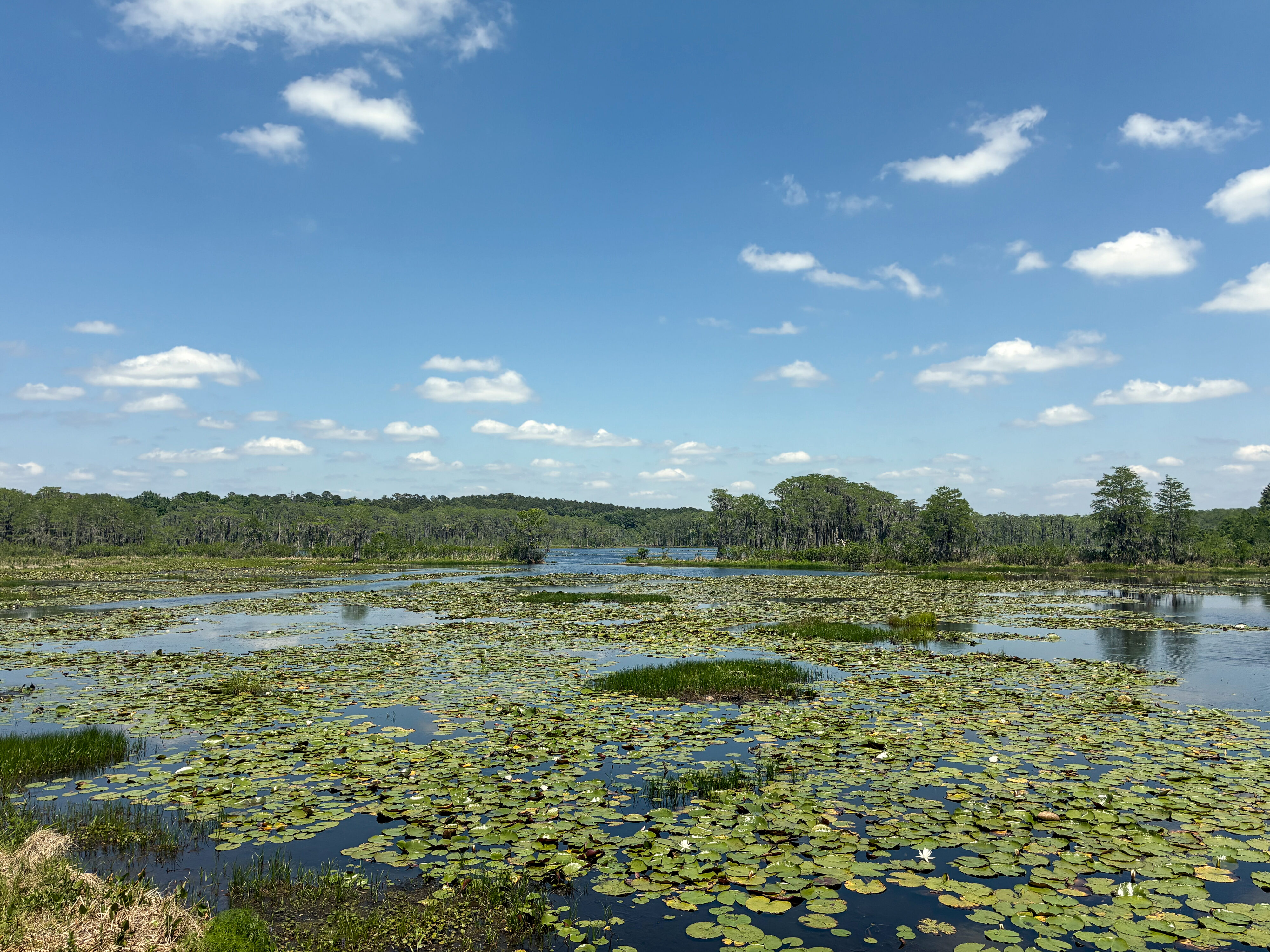
Lily pads dot the central lake at the Heritage Trail.
As I walked through the Lafayette Heritage Trail for the final time, I got emotional thinking about the profound impact this place has had on me — as an escape, an inspiration for different reporting projects, and an opportunity to simply appreciate nature. It has served as a continuous reminder to me that nature is just as much a member of our communities as people are.
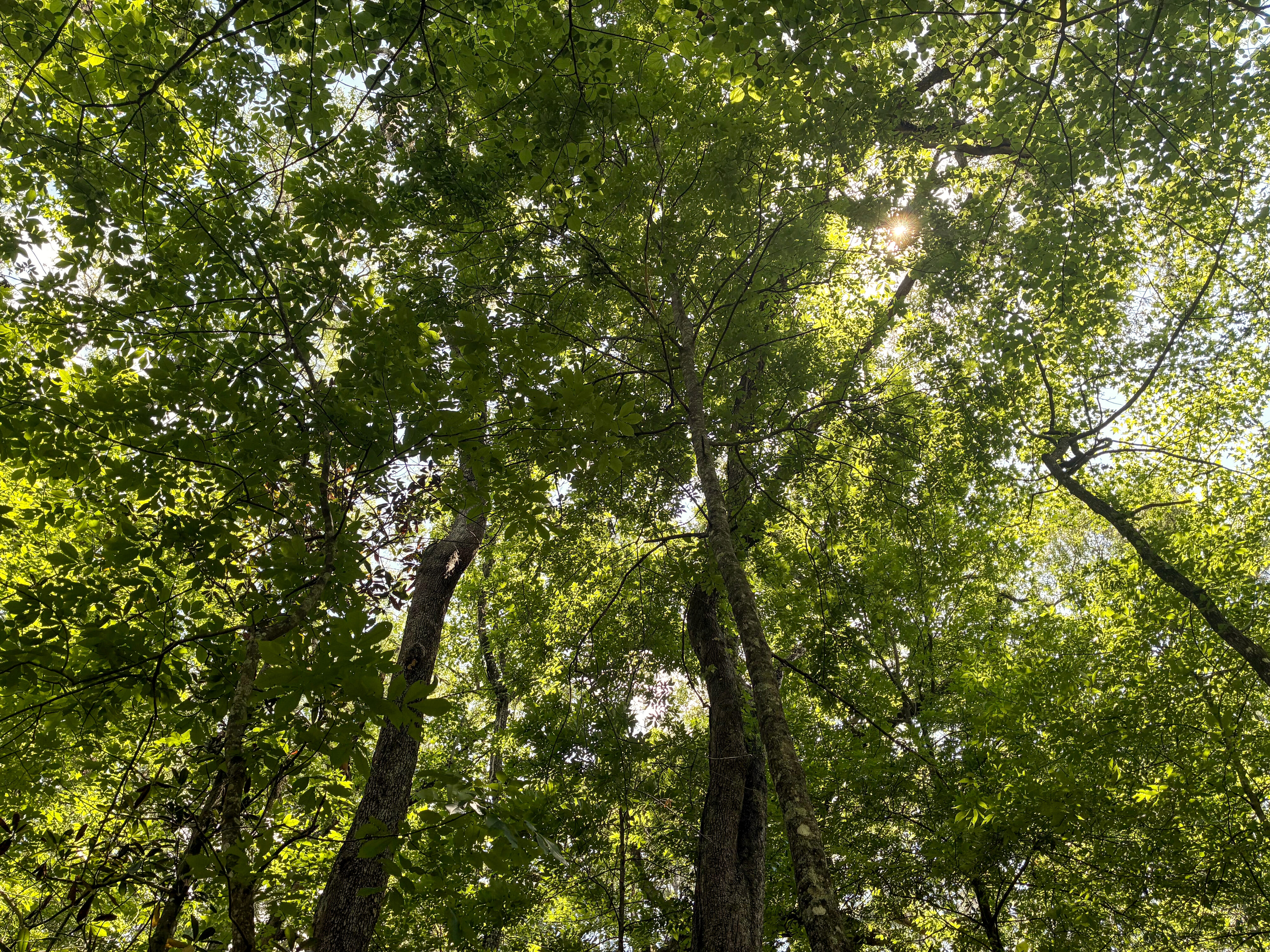
The golden sun peeks through the trees.
When I visit the trail, I can often count on one hand the number of friendly passersby I see. I can’t help but wonder: If more people knew about the beauty of this place, would it be easier to protect it?
This squirrel is preparing to dig for hidden acorns.The Heritage Trail provides a crucial habitat for critters.
I hope that through this photo essay, you can see and appreciate just some of North Florida’s natural beauty, and I hope it inspires you to connect to your local natural spaces. When it comes to mitigating environmental woes, you are a part of the solution. Our natural spaces already provide us so much. It’s time to return the favor and protect the places that quietly protect us.
This website uses cookies to provide you with an improved and personalized experience. By using this site you agree to our use of cookies. Please read our cookies policy for more information on the cookies we use and how to delete or block them.



 All Topics