 All Topics
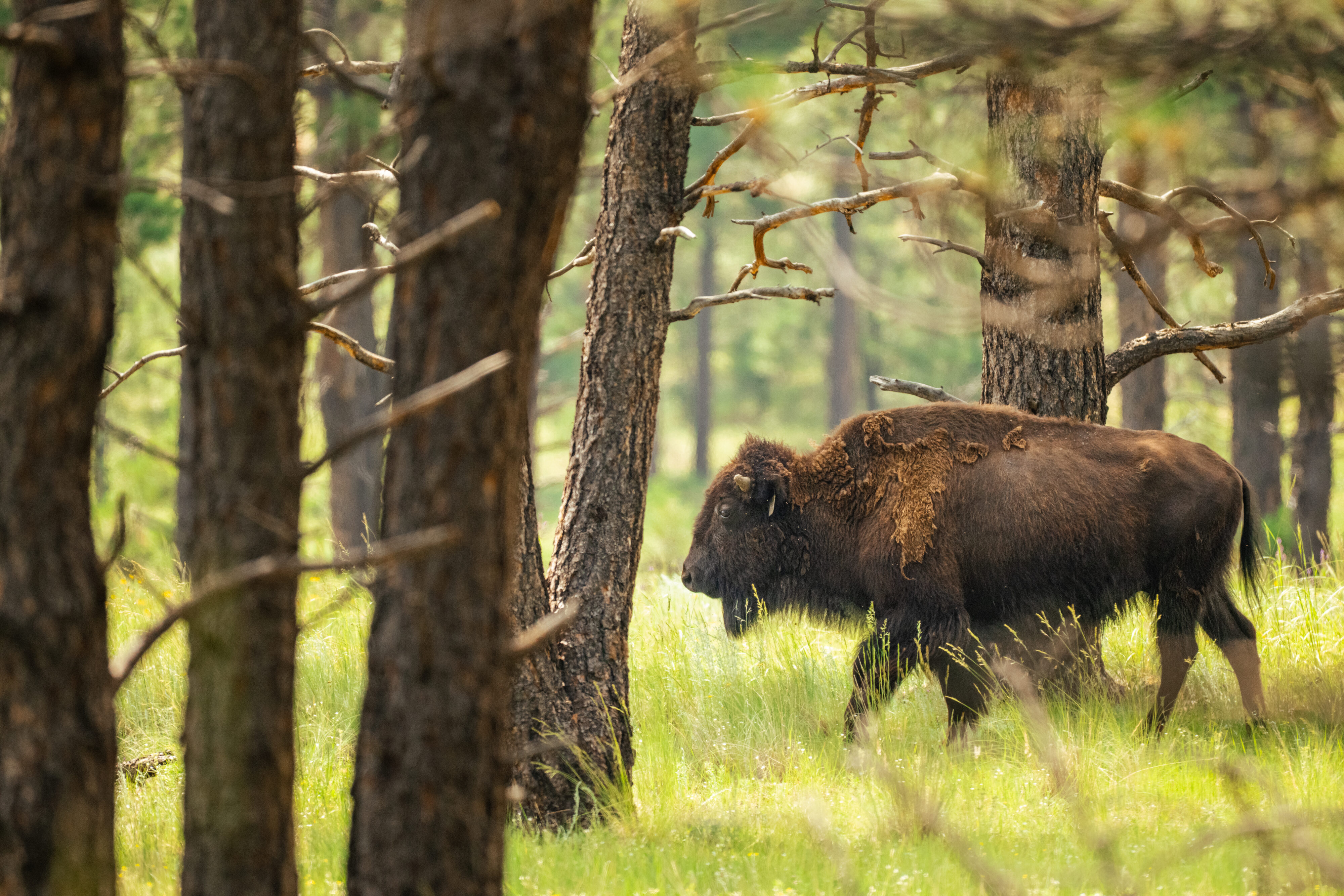





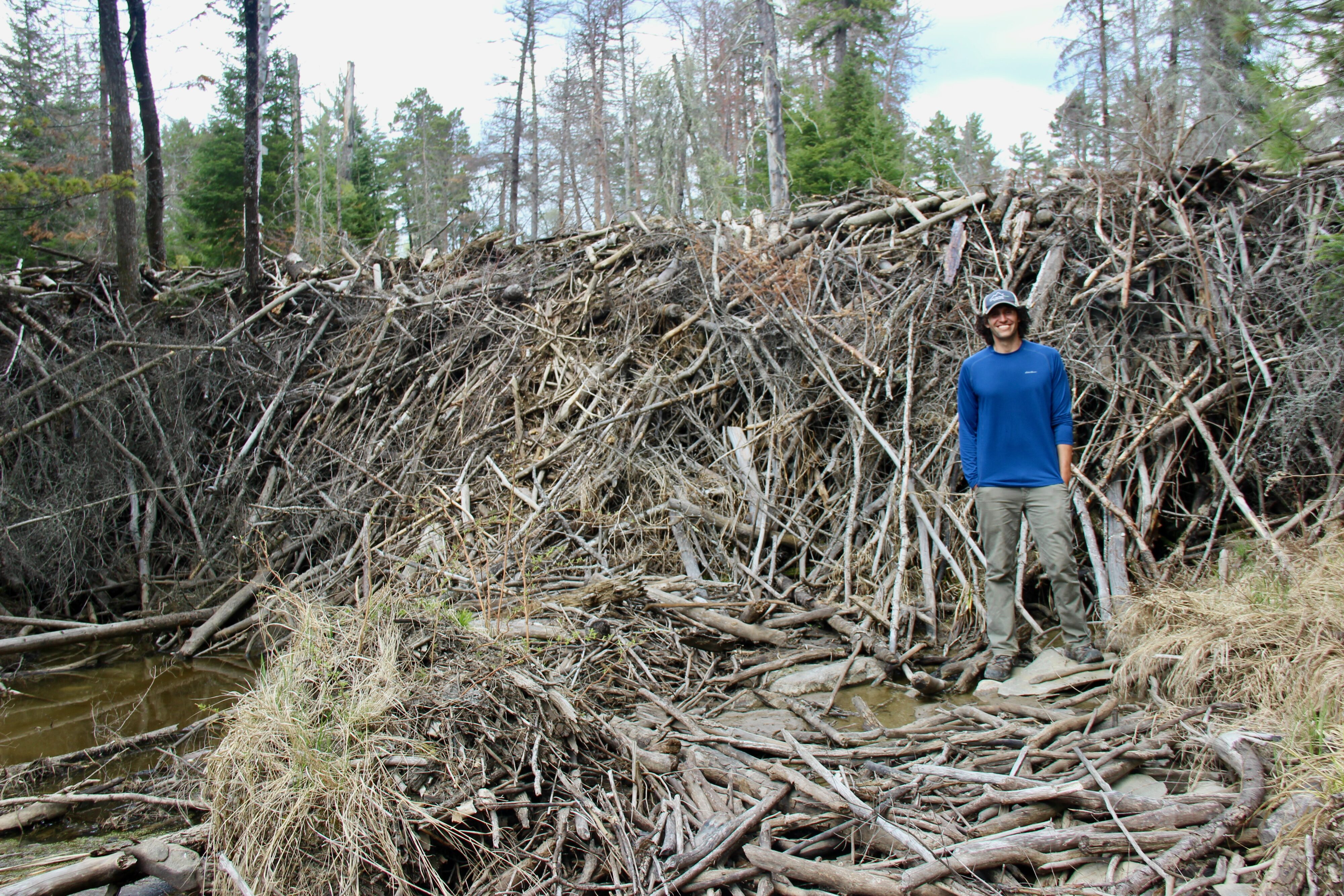
Ben Goldfarb poses next to a beaver's structure in Minnesota.
Photo courtesy of Ben Goldfarb
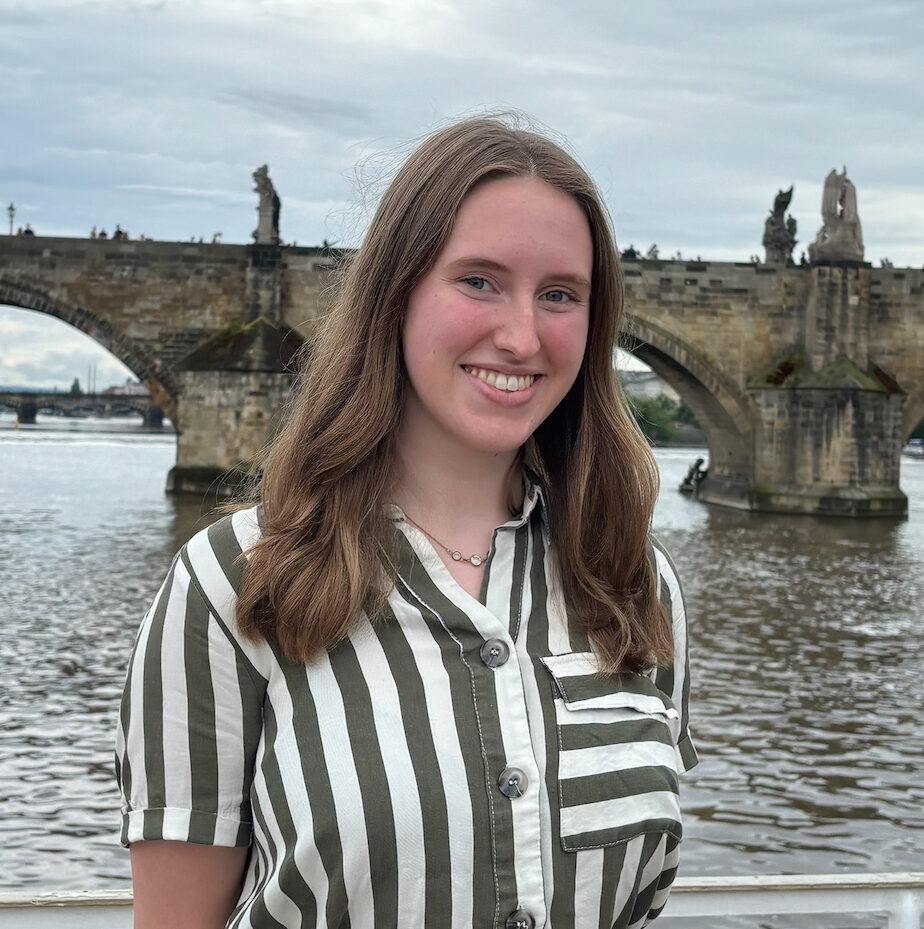
Jenna Outcalt
Planet Forward Chautauqua Fellow | University of Connecticut
April 30, 2026
Photo courtesy of Ben Goldfarb
Planet Forward Chautauqua Fellow | University of Connecticut
Author and journalist Ben Goldfarb got to where he is now by chasing curiosity. Whether it was something he saw in nature or a question he had after reading an article, his curiosity has led him across the country and around the world.
Now, Ben has written two environmental books and is working on a third. He’s been published in National Geographic, The New Yorker, and The Atlantic among other publications. His passion for conservation and writing, along with years of experience in environmental journalism, have established him as an expert in his field.
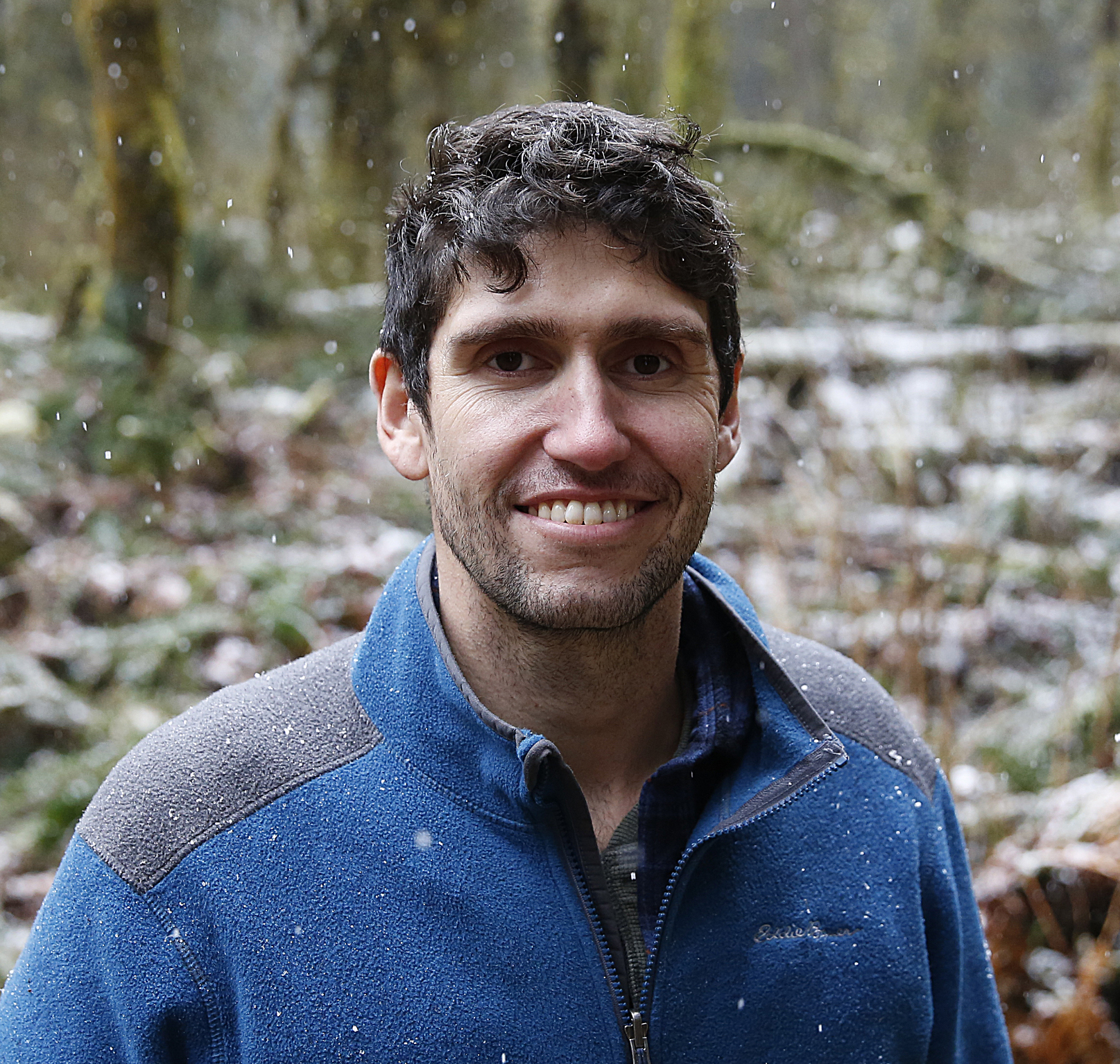
Ben has been a prolific reader for his whole life. He did a lot of creative writing during high school and college, where he got his bachelor’s degree in English and environmental studies. When he was getting his master’s degree in environmental management from Yale, he thought at first that he would end up in a conservation job.
“While I was in grad school, I just kind of remembered that I’d always loved to write,” Ben said.
As he wrote for campus publications and started freelancing, he decided to pursue a career that fulfilled his love for both writing and the environment.
“I love to write and I care about nature, and it just seemed like becoming an environmental journalist, as I call myself, was the best way to combine that passion for conservation with the pleasure I take in writing,” he said.
Ben now lives in Colorado. Although he enjoys fishing, skiing, and mountain biking, the majority of his free time is now devoted to his 8-month-old daughter.
“Most of my life revolves around her these days,” he said.
Ben is the author of “Eager: The Surprising, Secret Life of Beavers and Why They Matter” and “Crossings: How Road Ecology Is Shaping the Future of Our Planet.” He’s currently writing another book about fish migrations.
“You just stumble upon certain stories and for reasons that you can’t totally articulate they just fire your imagination and really captivate you,” he said.
One of the first things he tries to find for his books is a good character to follow and relate to, such as passionate researchers.
“Non-human protagonists are fun to write about too,” he said. “If you read ‘Crossings,’ you know there’s a chapter about P22, the famous mountain lion who’s got an amazing story to tell of his own.”
All of Ben’s stories tend to have a common thread through them.
“I’m just kind of fascinated by historic biology and what North American landscapes used to look like and how we’ve changed them,” he said. “And I think on some level that’s really what I’m always writing about.”
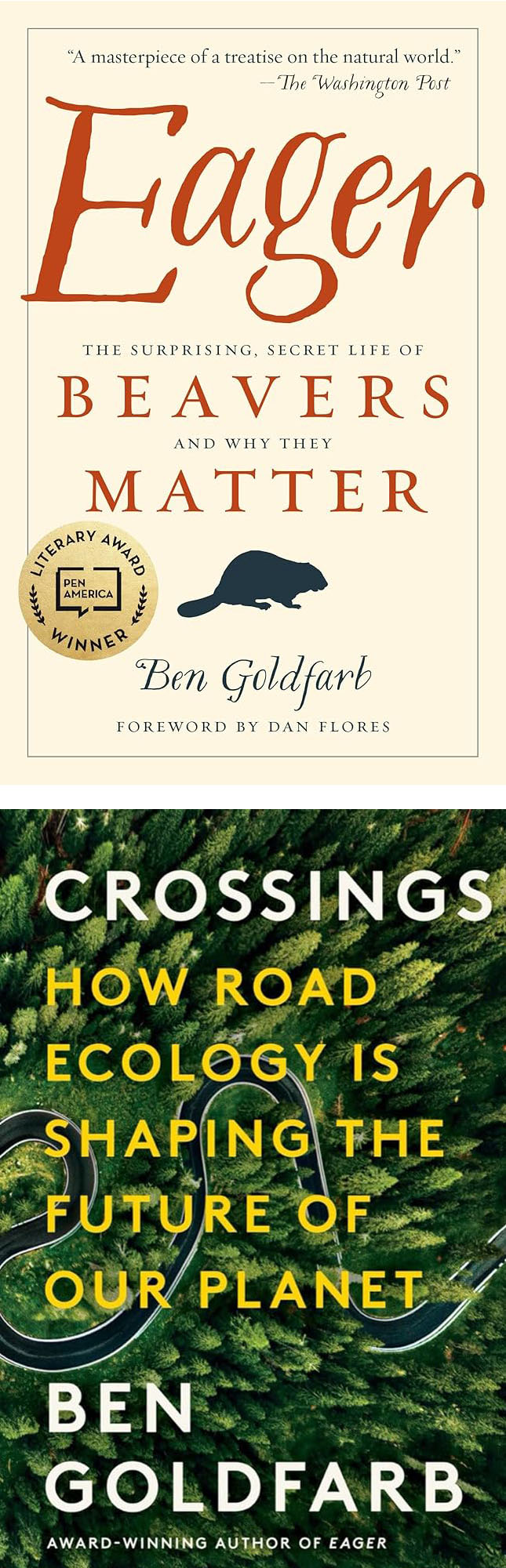
He said he has a lot of interest in why the world looks the way it does now and what contributed to the landscape. This is what led him to write books about beavers, a keystone species that can change their own habitat, and roads, which carve the environment into new, separated sections.
The book he is currently working on, which focuses on fish migrations, is about “historical memory” and looking back at populations that have been degraded without humans even realizing it.
One of Ben’s favorite parts of what he does is the field work.
“The fun part of reporting, of writing, is getting out into the field and meeting interesting people, having memorable experiences, and, in my case, encountering cool wildlife,” he said. “I just love those opportunities, and I’m always looking for them.”
He said the biggest challenge is deciding what not to include when he’s researching a book. He recalled a piece of advice he heard that resonated with him.
“You’re not writing something about everything. You’re not writing everything about something. You’re writing something about something,” he said. “And maybe that’s a little bit opaque, but to me, that advice is just like so resonant, right? You can’t include everything. You can’t be completely comprehensive and you just have to be the filter between your subject and your reader.”
However, the books still give him more room to follow his curiosity and “acquire this depth of knowledge” compared to magazine writing.
“With a book, you’ve got up to 100,000 words to play with, and so you can really follow your interests down all of these rabbit holes,” Ben said.
However, the main goal of the books is to enrich the lives and knowledge of the audience, he said. This includes giving them a break from mindless scrolling.
“That’s a really important function of the book in modern society,” he said. “It’s a refuge from screens. It’s a place where you’re not being advertised to.”
When it comes to journalism, Ben is “naturally drawn to solutions stories.” However, he said there was a need for investigation into current environmental problems as well.
“Obviously we’re in the middle of this incredibly transformative catastrophic period for conservation, for public lands management, for pollution control,” he said. “We’re in the middle of this being the most aggressive deregulatory administration probably in American history, with really negative consequences for nature that I think we’re only really starting to understand and recognize.”
However, he did not want journalists to only focus on the negatives when novel solutions could be discovered.
“We know what the problems are. We really know why species are declining, where they’re declining. What we don’t know is how to reverse those declines,” Ben said. “And to me, that’s where the newness is, that’s where the freshness is and that’s really where the opportunities are, I think, to make a difference in a lot of cases by elevating solutions and bringing them to a broader audience.”
He said many of his story ideas early in his career came to him when he read other environmental stories, referencing words from environmental journalist Jonathan Thompson.
“Jonathan had this amazing piece of advice, which was that every time you read an article somewhere and you’re left with a question, the answer to that question is itself a story,” Ben said. “And I just thought that was a brilliant way of framing that.”
Ben said his career allows him to explore the topics that have caught his attention.
“One of the great things about being a journalist is that you get to chase your curiosity wherever it leads,” he said. “And you know, I think where most of my stories come from is me pursuing curiosity.”

Planet Forward Correspondent | Middlebury College
College of Charleston

University of Wisconsin - Milwaukee | School of Freshwater Sciences
A project of

in collaboration with