
 All Topics







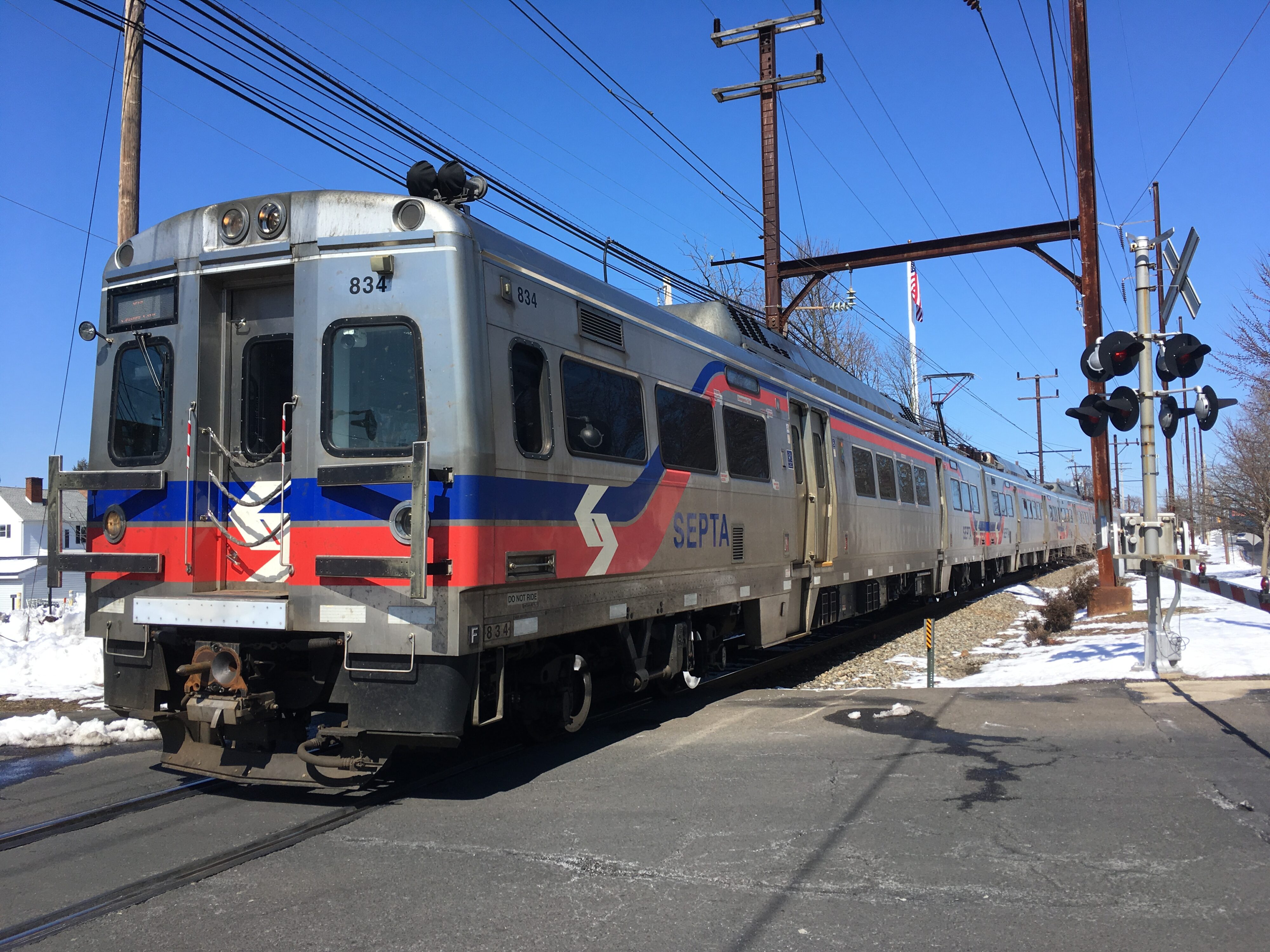
A SEPTA train moving through a residential intersection in Philadelphia, during winter.
Wikimedia Commons/CC BY-SA 3.0

October 14, 2026
Wikimedia Commons/CC BY-SA 3.0
I first rode a SEPTA train when I was in elementary school. It was during that awkward gap after class let out for the year, and before summer camp began.
My parents both worked. With nowhere to leave their oldest daughter, my dad brought me on SEPTA to visit his office in Philadelphia’s Center City. I sat, legs dangling, in the vinyl-cushioned seat as my dad sipped from a thermos of coffee. For an hour, I pressed my face to the window, watching trees and stations blur past as we made our way from Malvern to Philadelphia’s 30th Street Station. At each stop, dozens of early-morning commuters boarded the train. Most wore scrubs or slacks — medical and corporate workers.
Years later, I ventured into the city by myself for a summer pre-college program at Drexel University. By then, the early mornings were much harder — I had to fight drowsiness as the rhythm of the rails threatened to rock me to sleep. I’ve since moved away, but my dad still counts on the line to take him in and out of the city.
Philadelphia’s metro system, SEPTA (Southeastern Pennsylvania Transportation Authority), has been a fixture of life in the city area for decades. Along with my dad, nearly 800,000 commuters take its trains to work and school every day.
Public transport systems like SEPTA are not meant to operate in extreme heat. But as the climate changes, extreme weather is damaging critical infrastructure in the Northeast, as studied by the Fifth National Climate Assessment. Public transportation is key to reducing carbon emissions, but heat — and the storms it creates — is jeopardizing that function.
Last July, a record-breaking heat dome formed over the Philly area for three days. Temperatures crept over 100 degrees in some areas — the first time since 2012. “We’re not used to it,” said Paul Pastelok, a senior meteorologist at AccuWeather in State College, PA, in an interview with PhillyDaily.com. “We haven’t had 4-5 consecutive days of such high temperatures in a while. People are going to be caught off guard, saying this is extreme. And it is extreme.”
Extreme heat can cause rails to buckle and warp under full-speed trains, and overhead wires to sag. SEPTA was forced to call region-wide train slowdowns and delays to prevent track damage. My dad was lucky to have the option to work from home. Many commuters were late or unable to get to work at all.
“I did not think 44 minutes late, I was thinking 10 max,” said Allie Nenish, from Lafayette Hill, in an interview with 6ABC News.
For those further out of the city, would-be SEPTA passengers had to drive. The Schuykill and Delaware expressways carry a fraction of those who ride the train — only about 200,000 — but the traffic is treacherous. The Schuykill, in particular, has always been notorious for its bumper-to-bumper rush hour congestion. As public transport options become unreliable due to extreme weather, more people are turning to private options. The increased number of cars on roads will only make our air “dirtier and hotter,” as reported by the Philadelphia Inquirer.
And it’s not just direct heat that delays trains. The planet’s warming is unleashing stronger storms across the American Northeast. Increasingly, they are interrupting SEPTA’s operations and accruing millions in damages. Heavy rain can quickly overwhelm infrastructure and drainage systems, flooding both roads and train tracks.
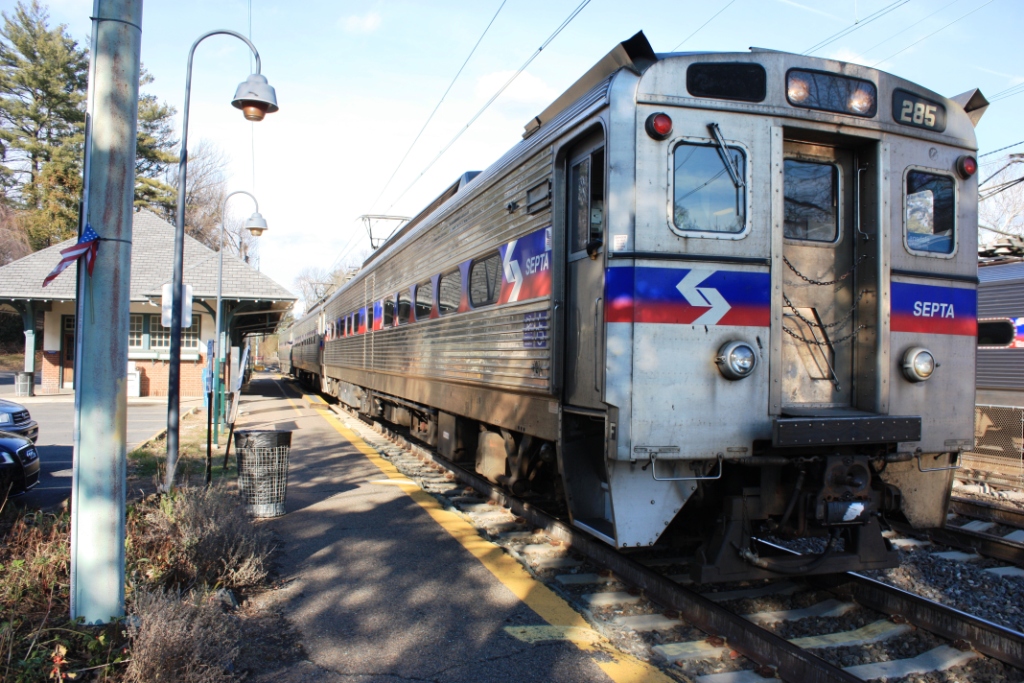
SEPTA has engaged in some weather resiliency projects. In a 2013 press release, SEPTA announced it was initiating several projects to fortify flood-prone areas, power systems, and other vulnerable infrastructure. The grant funding for these projects was only approved in the aftermath of Hurricane Sandy, which caused more than $1.3 million in damages. Alongside the project announcement, the Federal Transit Administration released a study identifying and analyzing SEPTA’s most vulnerable areas.
While identifying vulnerable zones is useful, the study says, “these areas are subject to change. Additional areas may become vulnerable due to changes in impervious surfaces, land use changes, vegetation, or other factors that affect stormwater runoff.”
Few improvements have been made since these projects. The study noted that as temperatures increase, harsh working conditions might make it more difficult to assess and repair damages. Storms have continued to batter SEPTA rails with trees and branches. As storms get stronger and summers intensify, there is only so much beating the fortifications can take.
Climate change operates in a vicious snowball effect. Summers are getting hotter, and storms are intensifying along with them. It won’t solve everything, but public transportation helps keep too many cars off the roads. As extreme weather renders train tracks unreliable, it is becoming difficult to effectively serve that function.
Recent storms and heatwaves are only escalations of a process that has been battering SEPTA for as long as I can remember. Summer storms have swept through the Philly area every year, taking a few trees from my backyard each year. In elementary school, I remember seeing massive trunks uprooted and strewn across roads as my mom drove me home from summer camp. My counselors and I had spent the afternoon in the camp basement, heeding a tornado warning as a gusty squall swept through the area. My dad was hours late coming home from work that day — SEPTA had been clearing branches off the tracks.

University of Wisconsin - Milwaukee | School of Freshwater Sciences

A project of

in collaboration with