Going into 2025, three out of five adults said that ordering food that was grown or raised in an organic or environmentally friendly way was important to them, according to a report by the National Restaurant Association. It’s a market trend with huge potential for sustainability and profit.
Food service companies like Little Sesame, based in the Washington D.C. area, have not only taken notice, but embarked on a journey of educating customers about environmentally friendly foods as well.
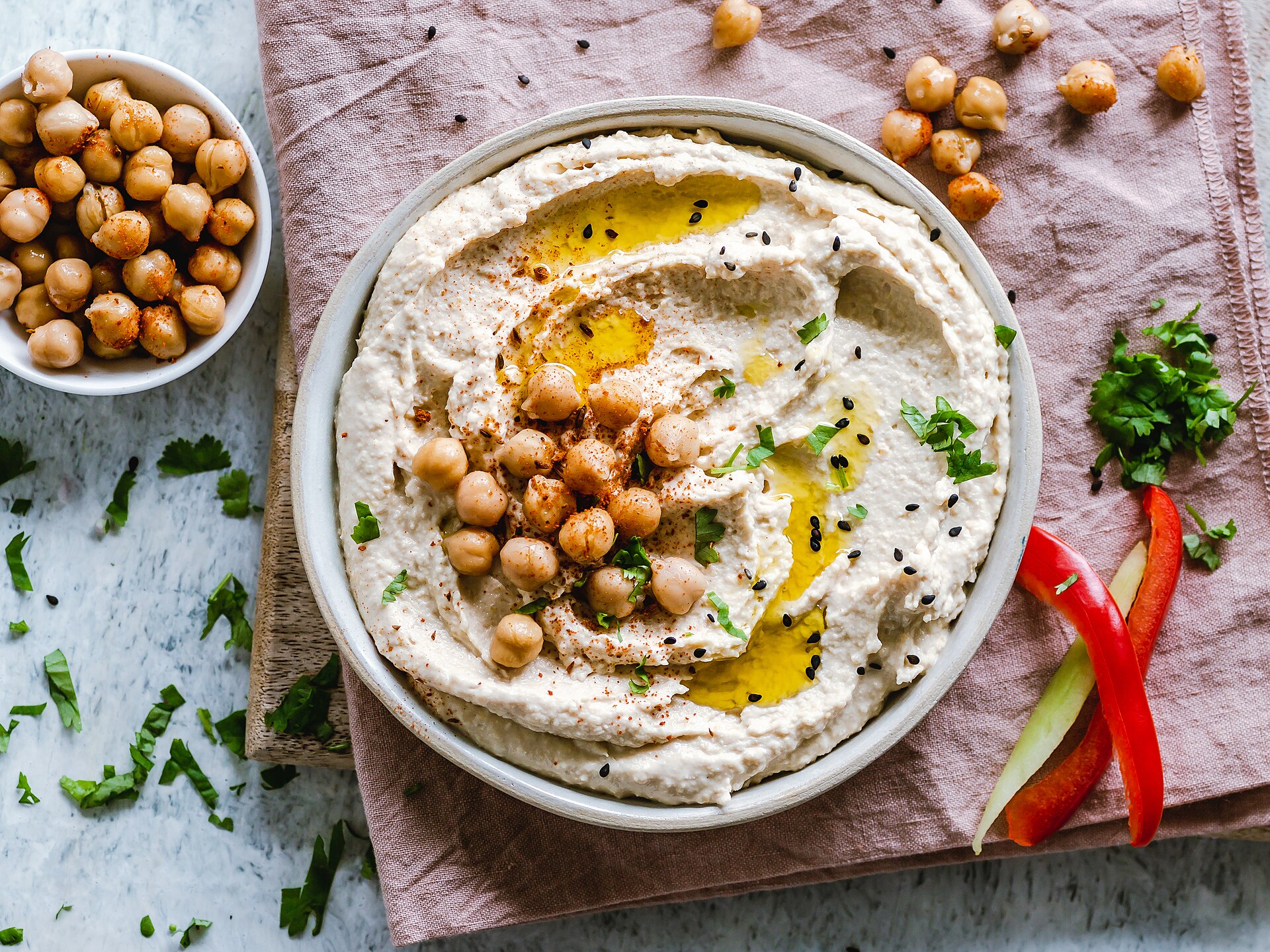
For a name like Little Sesame, this innovative hummus company’s impact is anything but little. The organic hummus produced at Little Sesame’s DC factory is constantly shipped off to their bustling downtown D.C. restaurant and grocery stores from coast to coast. All that work hasn’t gone unnoticed. Little Sesame’s hummus has received rave reviews from online influencers and food publications alike, with Food & Wine calling it “the best store-bought hummus we’ve tasted.”
Nic Bash, Foodservice Director at Little Sesame. (Courtesy of Nic Bash)
Nic Bash, Little Sesame’s Foodservice Director and an Aspen Institute Food Leaders Fellow, is one of the people making this hummus revolution happen. A former high-dining chef – like Little Sesame’s cofounders – Bash’s job is to show the world the difference that using organic and regenerative ingredients can bring to corporate offices and sprawling university campuses. This goes beyond having a product that tastes good.
Consumers are paying attention. Little Sesame recently secured an $8.5 million dollar investment for a new factory, complete with a testing space for new flavors. Their hummus can now be found in Whole Foods locations across the country. However, selling consumers on regenerative and organic products isn’t easy. “We’re just getting folks educated about organic,” Bash said. “And then you add (regenerative) on top and it’s like, okay, well, what is that? And what are the differences?”
Many consumers may already be familiar with organic produce – for Little Sesame, that means cultivating chickpeas without the use of fertilizers or pesticides, which can end up in hummus. Regenerative agriculture utilizes practices that maintain the health of soil, local water sources, and the environment. By doing so, it aims to “regenerate” natural resources to ensure their availability for future generations.
Proponents of these practices argue that these practices are better for the environment and reduce human exposure to pesticides. Opponents point out that organic and regenerative produce is often pricier than their conventional equivalents. For organic foods, it’s not clear to what degree choosing organic makes an impact on health.
Moreover, regenerative agriculture can require a lengthy, complicated adoption period for farmers, which acts as a daunting barrier. As George Washington University professor of biology Tara Scully points out, understanding what either label means can also be challenging. While marketing a product as organic requires a rigorous certification process, the term “regenerative” is not as well defined.
Little Sesame’s logo. Their hummus is sold in stores around the United States.
For Bash and Little Sesame, choosing organic and regenerative meant confronting these challenges while aiming to make the best decision with the available information. “We do want to make sure there’s really good land stewardship…to make sure there’s a high-quality product that is safe for people,” Bash said.
For Little Sesame, choosing regenerative means chickpea farmers like Casey Bailey – a Montana-based supplier for the company – can continue to provide high-quality ingredients long into the future. For Scully, the impact this has goes beyond the bottom line. According to Scully, food access is a form of dignity – when people have access to healthy foods, they feel better about themselves and empowered to make changes.
Bash brings a wealth of culinary experience to help tackle these challenges. To Bash, working in the food industry felt natural. “I [started] out in fine dining 12 years ago. I love food. I’d always be cooking casually for friends” Bash said. He took that passion to the Bay Area, where he worked as a chef in the region’s thriving high-dining scene.
Bash credits this time with helping him develop a strong understanding of restaurant supply chains and food preparation. But it wasn’t all he cared about. “I made kind of a conscious choice not to continue down the restaurant path and thought, you know, I really care about the scale and sustainability piece. Let me go down that path.”
Bash wondered if he could build a company that provided healthy food while minimizing waste. It wasn’t an easy task. But it was the vision he needed to found Honey Flower Foods, providing healthy direct to consumer meals. They quickly entered the food service space, providing up to 40,000 meals a week to hospitals, colleges, and other organizations that bought into their mission.
Like many businesses, however, Honey Flower Foods struggled as the pandemic threw all the assumptions of the food business out the window. Bash then began consulting for several companies, applying his foodservice expertise to businesses in need. Then an opportunity arrived. “[I] was very familiar with the Little Sesame brand. I loved what they were up to. [And] they needed help in food service.”
Today, Bash uses his expertise to expand Little Sesame’s footprint across the United States, leading relationship building and sales for organizations interested in the company’s hummus. As one of the fastest growing consumer hummus brands in the US, that’s a role that keeps him busy.
Today, Little Sesame’s hummus can be found at over 4000 outlets nationwide, including Whole Foods, Wegmans, and Sprouts. Their hummus is also available for online ordering. That’s a good thing – because as I like to say, hummus is “yum-mus.”
This website uses cookies to provide you with an improved and personalized experience. By using this site you agree to our use of cookies. Please read our cookies policy for more information on the cookies we use and how to delete or block them.

 All Topics