

 All Topics







Canva Stock

Sylvia Leggette
Planet Forward Correspondent | Tuskegee University
May 20, 2026
Canva Stock
Planet Forward Correspondent | Tuskegee University
Food is a human right. The United Nations 1948 Universal Declaration of Human Rights outlines it as a key component to an adequate standard of living, and Article 11 of the 1966 International Covenant on Economic, Social and Cultural Rights enshrines that right as international law. Despite these facts, numerous Americans remain food insecure.
This begs the question: What happens when the institutions responsible for securing access to needed food and economic resources fail? How do communities most impacted by these failures fight back? Solving food insecurity requires reframing food access as not simply an individual burden but a communal responsibility being addressed by grassroots initiatives that deserve resources and recognition.
Communities most impacted by these issues have long since taken measures to lift each other up, many times, in spite of the structures or institutions that fail them. One historical example is the Freedom Farm Cooperative (FFC) which ran from 1967-1976 in Sunflower County, Mississippi. The story of the FFC teaches us that the most sustainable and transformative solutions often begin with looking to your own communities and organizing with the people around you..
In the 2021 article “More Than Hungry: Political Narratives Built & Maintain Hunger in the United States,” author A. Camille Karabaich writes, “Hunger is not an inevitable reality. Hunger was created. A series of interrelated policies in areas like housing, minimum wage, and incarceration, and the dangerous narratives that have supported these policies, have created a world where there is enough food to feed the entire planet, yet one of every nine people in the United States struggles with hunger.”
The U.S. Department of Agriculture publication “Household Food Security in the United States in 2024” describes a food secure household as having “access at all times to enough food for an active, healthy life.” According to the paper, 13.7% of households, or 18.3 million, were food insecure in the United States in 2023.
For impoverished households, working does not always guarantee that there will be enough food on the table. In 2022, 6.4 million people were classified as the “working poor.” This means that in the year 2022, 6.4 million people spent at least 27 weeks in the workforce while still having incomes that fell below the federal poverty line. In the face of unplanned costs, families must sometimes trade nutritional value for the most cost-effective option. According to World Hunger News, additional factors such as race and geographical location compound on poverty as a contributor to hunger and further impact people’s food access.
“Down where we are, food is used as a political weapon. But if you have a pig in your backyard, if you have some vegetables in your garden, you can feed yourself and your family, and nobody can push you around. If we have something like some pigs and some gardens and a few things like that, even if we have no jobs, we can eat and we can look after our families.” — Fannie Lou Hamer
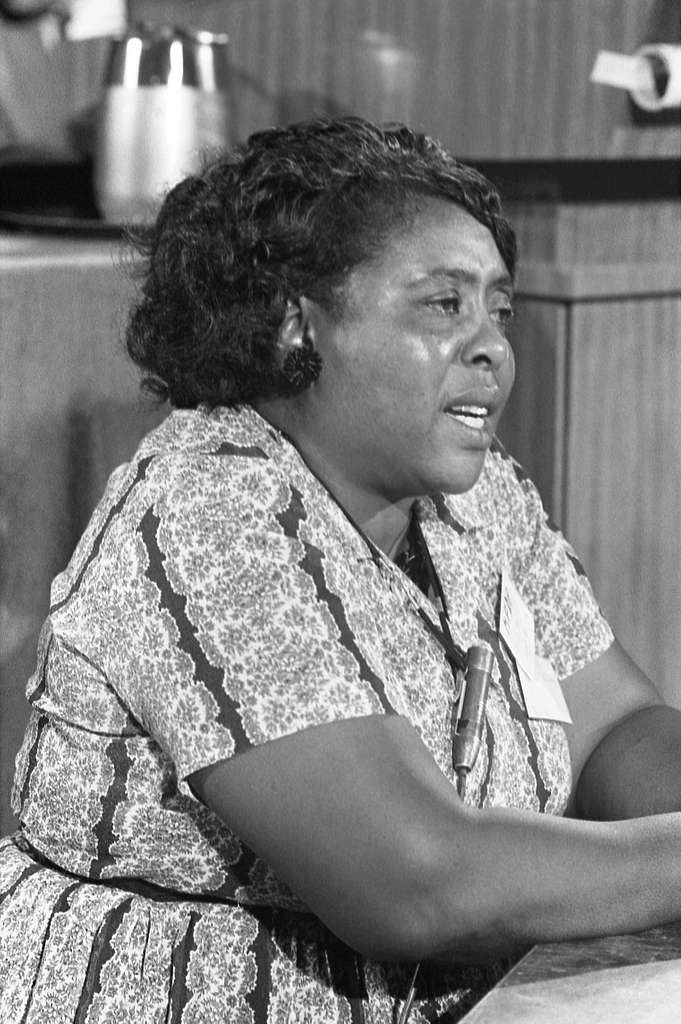
The Freedom Farm Cooperative (FFC) was founded by civil rights leader and food justice pioneer Fannie Lou Hamer in 1967. It began as a response to white landowners weaponizing their status to intimidate Black residents into complying with a white supremacist racial hierarchy by threat of eviction, starvation, or physical harm.
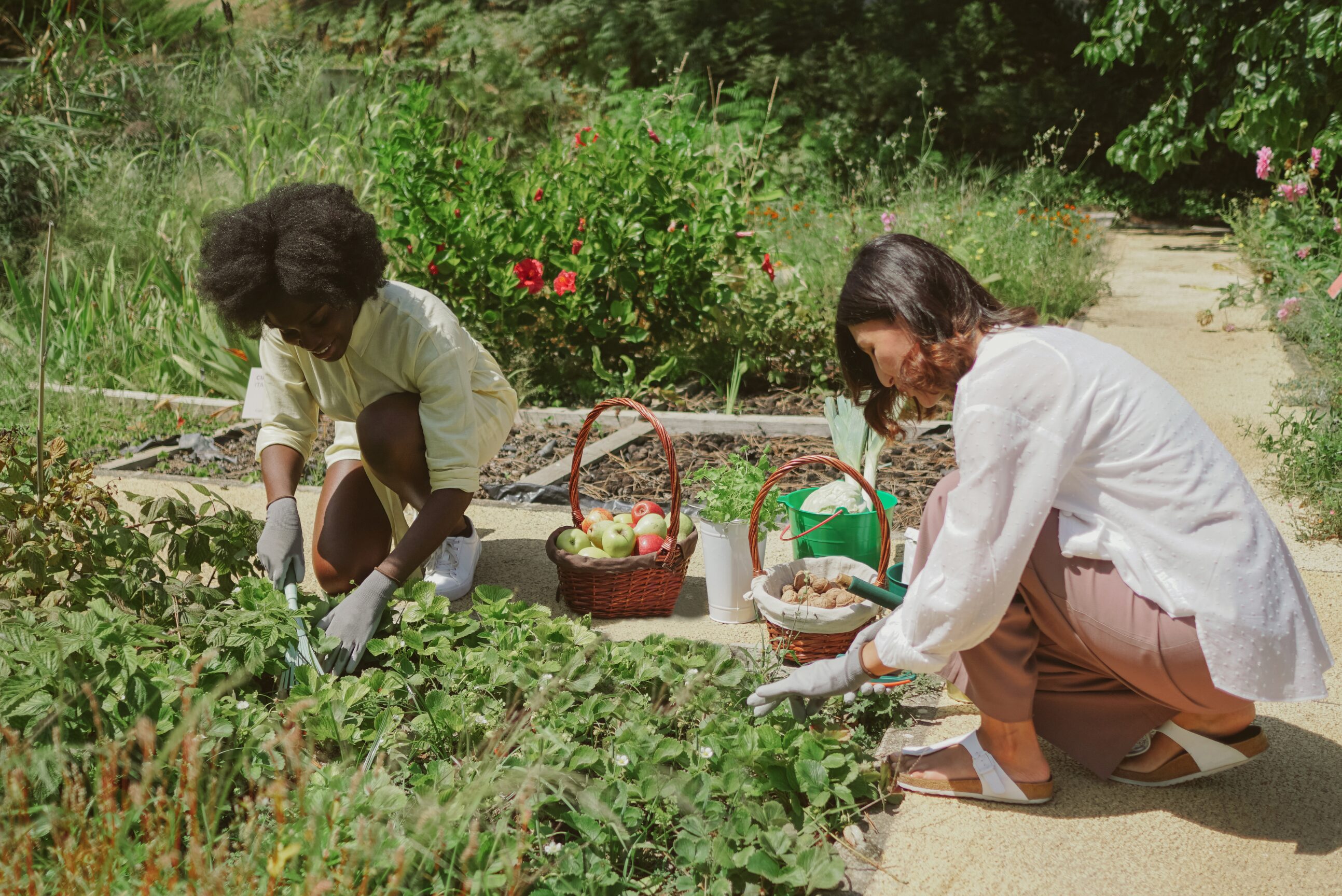
A sharecropper in Ruleville, Miss., Hamer established FFC after buying 60 acres of land with help from various donors. They used some parts of the land to create space for community gardens dedicated to survival crops, which helped more than 1,600 households in 1972, and used other parts to grow cash crops that were used to pay the mortgage on the space.
Another one of their food related initiatives was the “Oink-Oink Project,” also known as the “Bank of Pigs.” Working from a foundation of around fifty pigs from the National Council of Negro Women (NCNW), it operated by breeding the initial pigs instead of slaughtering them in order to create a sustainable bank of meat. More than 865 households reaped the benefits of this project by 1973, and it produced thousands dollars and pounds of meat. The legacy of FFC lives on modern cooperatives such as Cooperation Jackson, the National Black Food and Justice Alliance, and so many more.
The FFC was built by and for the people; it was open to anyone who needed assistance at and adapted to the needs of the community as they arose and had numerous initiatives not only related to food security but also related to housing and economic stability. The organizers behind were keenly aware of not only the lack of food access faced by their community members but also the external compounding factors keeping them in a cycle of deprivation and lack.
So what can we do now? Hunger is a deeply intersectional issue, so it will require a deeply intersectional set of solutions. The FFC can give us insight into where a good starting point might be. Through them, we are given an example of the value of organizing with your neighbors and being knowledgeable of barriers faced by the people immediately around you.

Planet Forward Correspondent | University of Michigan
Director of Academic Adventures | Planet Forward


Planet Forward Chautauqua Fellow | University of Connecticut

Planet Forward Chautauqua Fellow | University of Connecticut

A project of

in collaboration with