
 All Topics








Participants at the First Conference on Transitioning Away from Fossil Fuels join hands to call for change.
Sophie Holtzman

May 06, 2026
Sophie Holtzman
This story was originally published on LinkedIn on May 5, 2026.
After the final deal of Brazil’s COP30 climate talks last November, progress towards a global transition away from fossil fuels felt like a distant dream. In order to limit global warming to 1.5 degrees Celsius and avoid triggering multiple climate tipping points — such as the thawing of permafrost and the collapse of coral reef systems — carbon pollution must be cut in half by 2030. But despite the evidence-based need for immediate and strong action on fossil fuels, United Nations climate negotiations have generally avoided the issue and have failed to deliver a formal phaseout agreement on multiple occasions. In April, nearly 60 countries fed up with the lack of progress seen at recent COPs gathered in Santa Marta, Colombia, to discuss practical mechanisms for the global transition. The result was a historic redefining of the future.
The “coalition of the willing” in Santa Marta represented more than half of global gross domestic product (GDP) and one-third of energy demand, enough to do significant damage to the fossil fuel industry. While it included major economies like Australia, Brazil, the United Kingdom, and much of the European Union, many prominent fossil fuel producers and consumers were absent — notably, the United States, China, Russia, India, and Saudi Arabia.
Colombian environment minister Irene Vélez Torres shared with journalists that these absences were an intentional choice. To avoid repeating the negotiation process of COP30, only countries committed to a phaseout were invited. Colombia and the Netherlands, the cohosts of the conference, stressed that the goal of the conference was solely to discuss steps towards the transition rather than to negotiate the need for a transition.
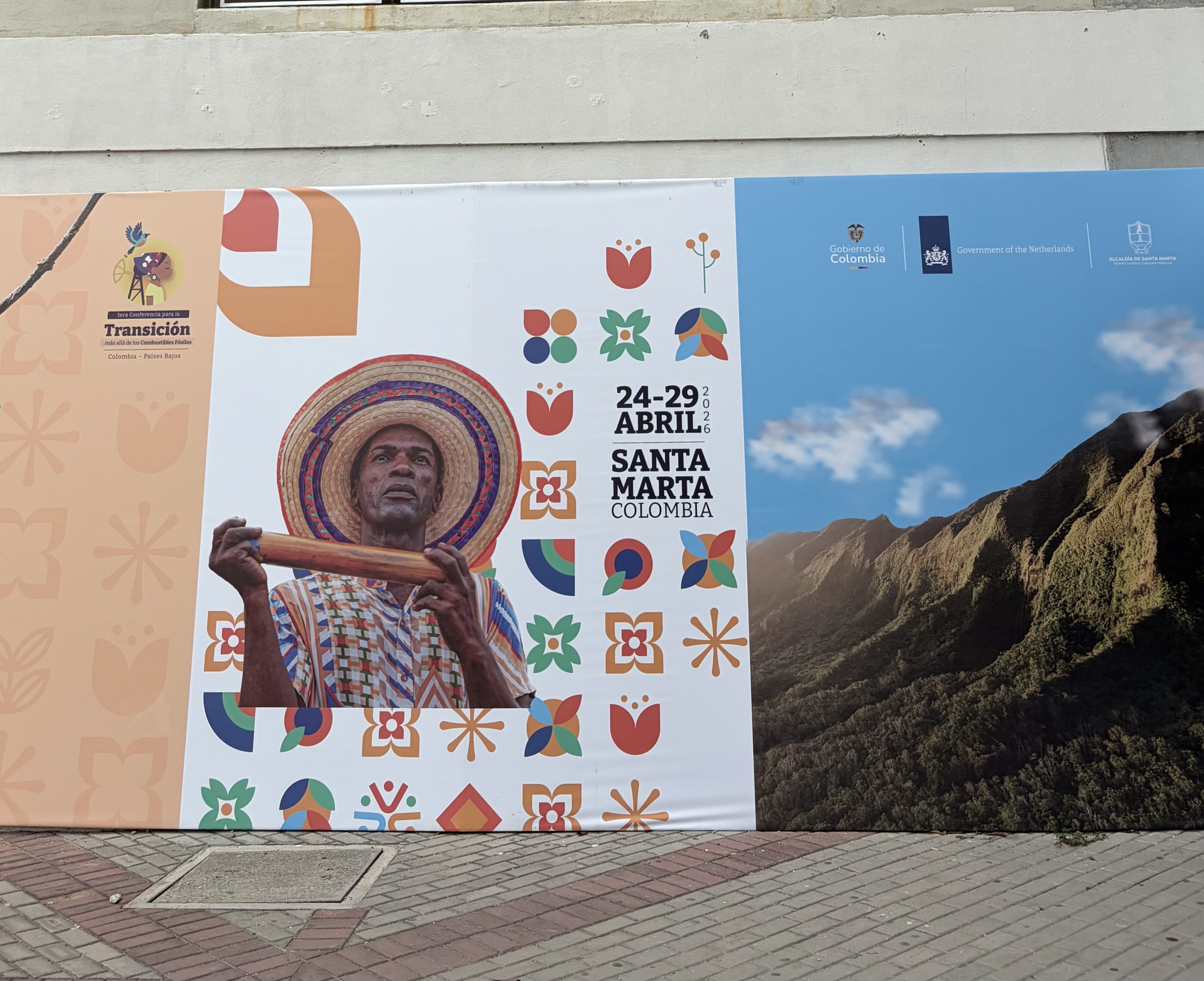
The conference began with a two-day gathering of 400 academics from around the world, marking one of multiple departures from the COP process in the fact that academics had a designated space to provide input.
Academics were divided into workstreams, from “Zero Carbon Prosperity” to “Beyond Extractivism.” Each workstream created an actionable insight pathway, providing evidence-based strategies that would inform the high-level segments.
Although a baseline requirement of attendance was to be committed to the transition away from fossil fuels, the workstreams demonstrated the diversity of opinions on the specifics of the transition. Participants debated the role of artificial intelligence in the energy transition, whether processes like carbon capture could be constituted as “false solutions,” and the importance of an equitable and just transition.
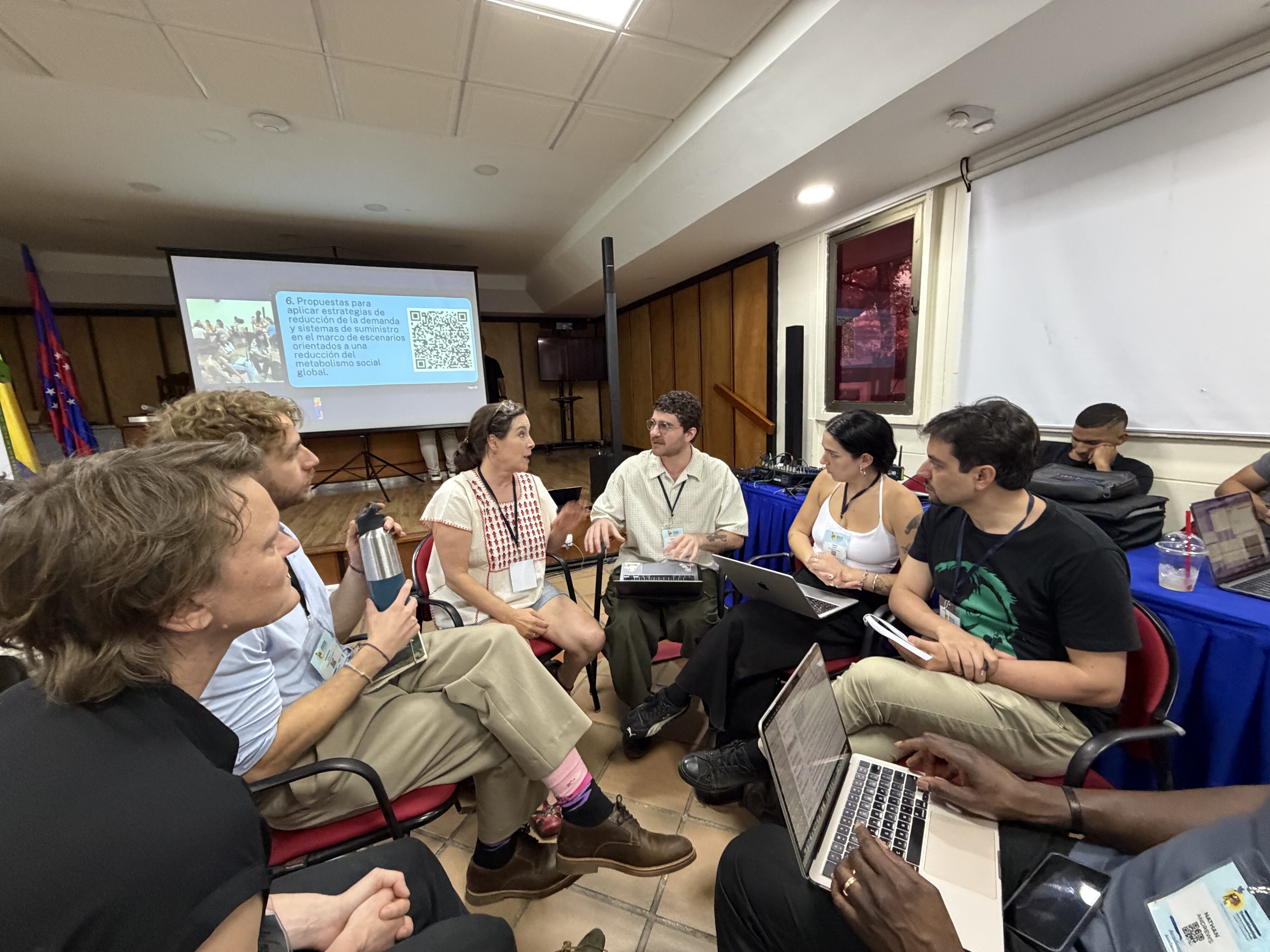
In the end, the academic pre-conference resulted in three major outcomes.
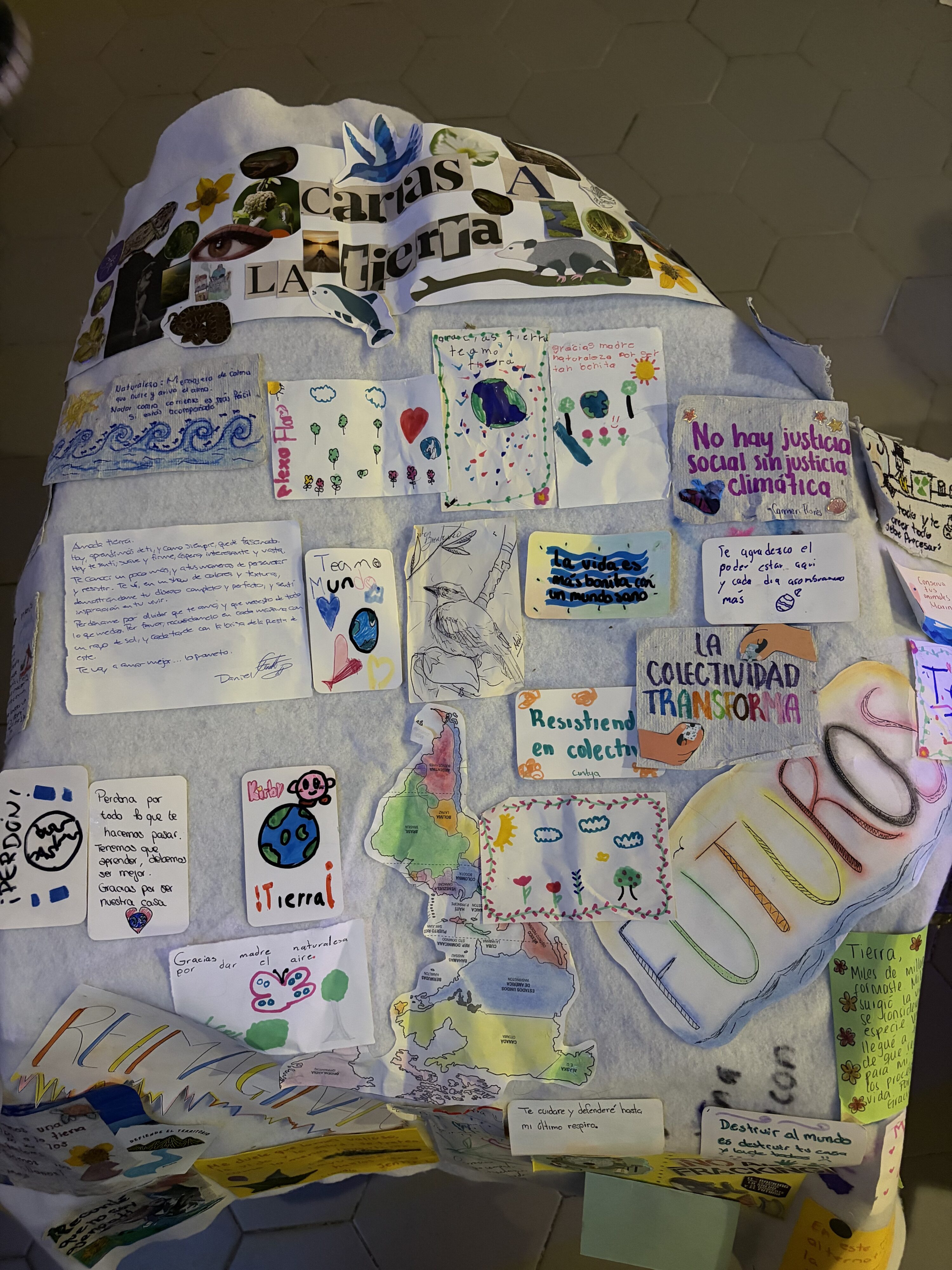
After the academic summit, the People’s Summit brought together over 900 organizations of Indigenous peoples, youth, women, farmers, and more. This summit resulted in a strong declaration calling for a rights-based transition and an end to the “geopolitics of destruction” caused by fossil fuels.
Unlike at COP30, representatives from the People’s Summit were invited to speak during the high-level segment and gave statements during both the opening and closing plenaries. Because of the conference’s location on the Caribbean coast of Colombia, multiple Indigenous groups from the region were present, joined by representatives from the Amazonian regions of Colombia and Ecuador. Together, these groups highlighted the disproportionate impacts that marginalized communities experience because of extractive industries, focusing their demands on justice, accountability, and timeliness.
Although the conference did not achieve the ultimate goal for some countries, a legally binding treaty, it sparked tangible progress on multiple fronts.
First, the high-level segment announced confirmation of a second conference next year, co-hosted by the governments of Ireland and Tuvalu. This conference will build on the work done in Santa Marta and work towards national and regional roadmaps away from fossil fuels as a conference priority.
Additionally, leading up to COP31 in Turkey, a synthesis report will be published. Participants hope the synthesis report will have a measurable impact on COP31, given that COP31 representatives were present in Santa Marta and acknowledged the report’s importance. The report will also be shared with the COP30 and COP31 presidencies to ensure alignment with the COP Action Agendas.
Finally, a coordination group was created at the conference to strengthen links between initiatives and ensure continuity toward the second conference.
Many believe that the consensus-based system used in United Nations negotiations leads to global gridlock and an inability to create real change. By listening to the input of the majority rather than the objections of the least ambitious, this conference was a departure from that system, building a coalition of the willing that has shifted the international conversation on fossil fuels.
However, some argue that the conference’s tendency towards voluntary efforts could have watered down the outcome. By allowing countries to realize the need for a treaty on their own time and aiming for stronger support for a binding treaty at next year’s fossil fuel conference in Tuvalu, the conference continued a trend of paralysis in climate negotiations.
Amid varying opinions, the true test of the Santa Marta conference’s impact will be the events of the coming months: Will the ambitions established in Santa Marta be reflected in national-level policy? Will ambitious countries use the tools created in Santa Marta to scale up their work on fossil fuels? Will fossil fuels be at the center of the conversation at COP31?
There is no better time than now to act on fossil fuels. With tensions in the Strait of Hormuz causing an energy crisis and forcing countries around the world to reconsider their reliance on fossil fuels, the Santa Marta conference took advantage of the global conversation surrounding the energy transition. In a moment when all eyes were on the oil and gas industry, the conference created the necessary space to discuss solutions rather than problems, and to imagine a new world — a future where energy security, economic security, and environmental security can coexist.
As echoed by countless attendees of the conference, imagining that future builds hope, energy, and motivation. And, after 30 years of frustrating COPs, roundabout conversations, and begging the world to step up, hope is historic.


Planet Forward Correspondent | University of Georgia


Planet Forward Correspondent | Middlebury College


Planet Forward Correspondent | University of Michigan
A project of

in collaboration with