

 All Topics






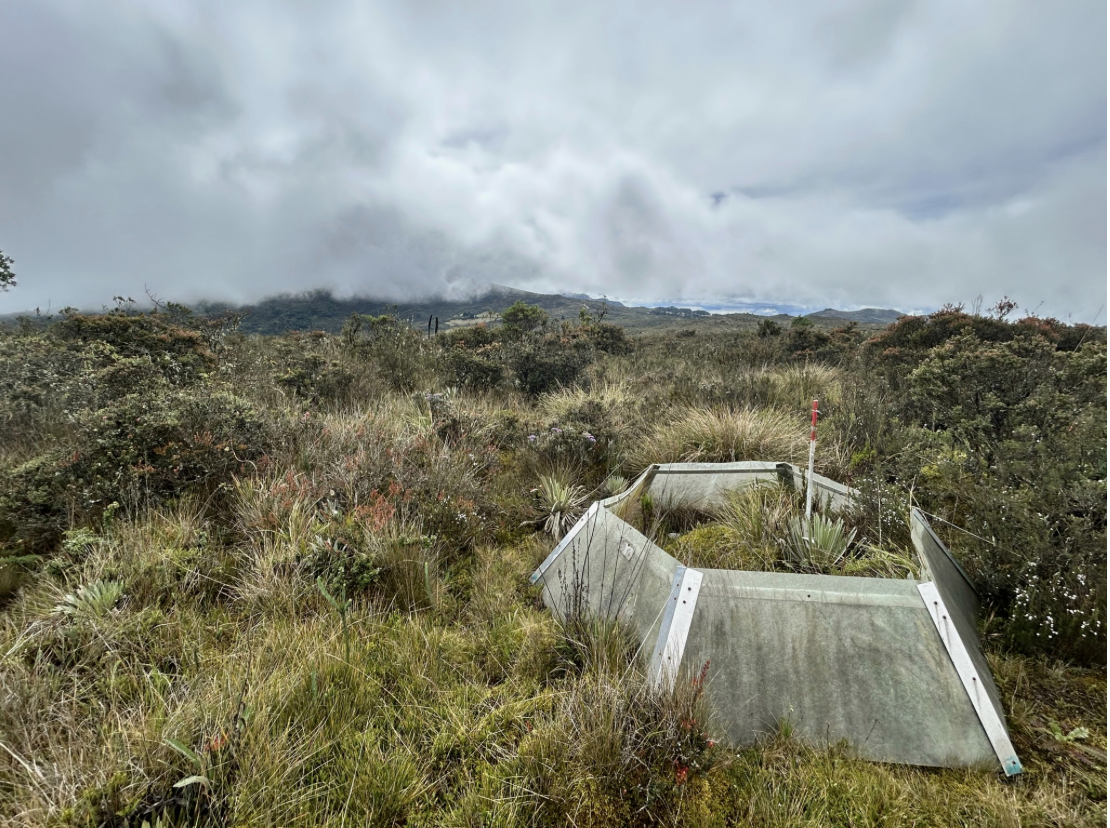
A cloudy view of the research site with an open-top chamber in the páramo region.
Photo provided by Rachel Gallery

November 06, 2026
Photo provided by Rachel Gallery
It’s early in the morning, and the sun is blazing. Maria Rojas-Peña grabs her rain boots and coat to prepare for a long day in the mountains, unsure what the day will bring. As she hikes up the familiar path amid the fog, she spots the thick leaves of the frailejón, a plant species found only in this ecosystem.
This is the páramo, a unique tropical montane ecosystem found in the Andes Mountains and the heart of the longest-running climate change experiment in Colombia. Known for its high elevation of over 3,000 meters above sea level and large amounts of fog and rain, temperatures in the páramo can change by over 25 degrees Celsius (77 degrees Fahrenheit) in a single day. This ecosystem is home to unique species and has become vital in understanding the effects of climate change in South America.
In 2016, Eloisa Lasso — a professor at the Universidad de los Andes, Bogotá — established what would become the longest-running climate warming experiment in Colombia. The project’s goal is to understand how these unique biomes respond to the warming trends and changes in precipitation in the Andes Mountains.
Taking an experimental approach, the research team set up open-top passive warming chambers made of plexiglas to monitor the changes in plant cover, species diversity and productivity of these communities under the projected warmed conditions of 1.5 degrees Celsius. They set up these experiments in two areas of páramo that are at different elevations and have different land use history.
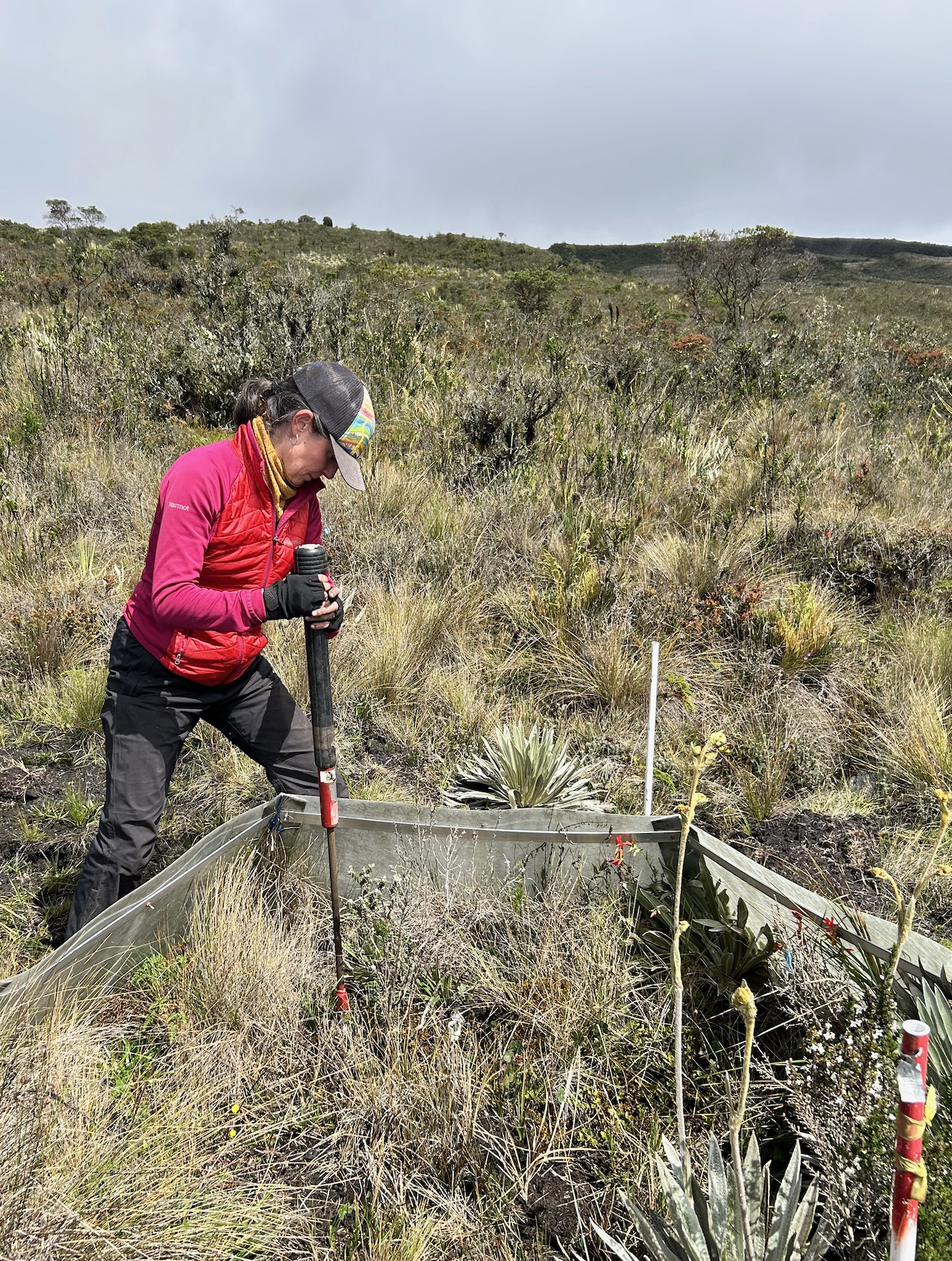
Rachel Gallery, director of the University of Arizona’s Lovejoy Center, joined the project soon after it began to examine what was happening underground. The research team surveyed the experiments every year, collecting information about the changes in plant species, soil chemistry and soil biodiversity.
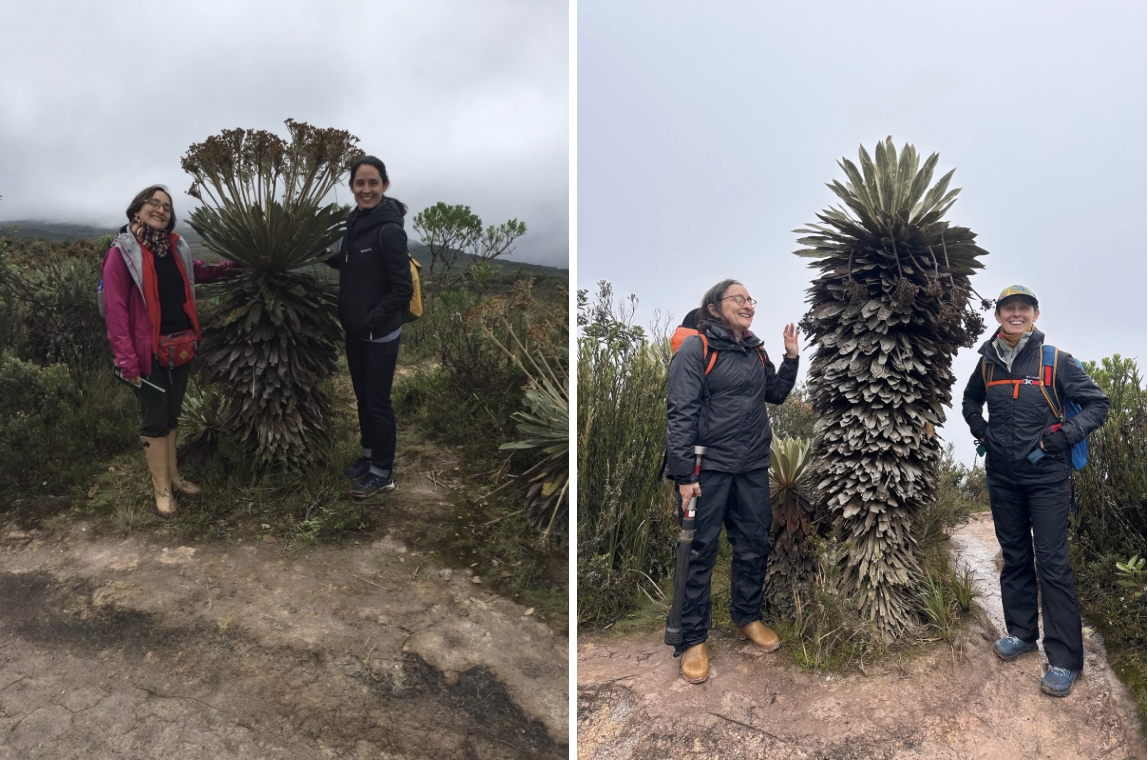
One initial discovery is that the communities of fungi in the soil are changing in terms of the types of species that are present. Furthermore, comparing the datasets of fungi from the páramo to other sites around the world show that there are a number of fungal species that are likely found solely in the páramo.
These results could not be found immediately. Instead, it took years of long-term research, analysis and monitoring to see these changes in species.
They conducted their 10th survey in July, a decade after the original project began. Rojas-Peña — a master’s student at the University of Arizona studying natural resources, watershed management and ecohydrology — joined the project in 2026 to test the long-term effects of warming and drying on the bacteria, fungi and other microbes living in these soils.
For the team, learning to adjust to the new climate and elevation took some time. While they experienced many sunny days filled with beautiful nature and smiles, the remote location and rainy weather proved challenging. One field site was almost an hour from where the team was staying, and another hour hike to the remote location. Mud, rain and harsh temperature swings provided challenges while they carried their equipment and heavy soil samples back to the lab.
Despite the hours in the fog and rain, with wet socks and cold hands, there’s nothing “a little bit more chocolate and a little bit more coffee” can’t fix, Gallery said.
These challenges are only one part of the story. The other half involves the people who depend on the rain, fog and harsh climate for their daily lives. The páramo plays a huge role in the livelihoods and wellbeing of the communities that inhabit it, from being the main source of drinking water for millions of people, to the communities that rely on páramo directly for their income—including ranching, farming and tourism.
On top of that, the páramo are critically important for the global carbon budget and regional water cycle due to their waterlogged and carbon-rich soils.
“It is important to preserve this part of the ecosystem,” Rojas-Peña said. “I want people to understand how important our physical systems are for the population.”
As the research team resurveyed the experiments over the years, they noticed that there was as much change occurring in the control plots as in the experimental plots that were warmed. The páramo is experiencing similar changes to the conditions the researchers were trying to simulate in the experiment.
“What we are learning is that these long term data sets allow us to draw accurate conclusions about how these systems are changing,” Gallery said.
Long-term research is crucial for revealing changes within remote environments such as the páramo. Through these projects, researchers can see changes over longer periods of time, allowing them to predict and notice changes in the environment. These changes do not happen overnight, and long term projects help scientists compare present temperatures to those 10 years ago.
It is also equally as important for the next generation of students and scientists, like Rojas-Peña, to see how remote, hard-to-access ecosystems work and play a role in the livelihoods of the people and species that inhabit the region. It emphasizes the need to protect and conserve these ecosystems thoughtfully and intentionally.
As Lasso said, “To protect páramo ecosystems and the services they provide in a warmer future, we need to understand how their vegetation responds to warming in the field—and whether those responses are consistent across different páramos. This is why long-term experiments across diverse sites are so important. Our future water security may depend on it.”

Planet Forward Correspondent | SUNY Environmental Science and Forestry

Planet Forward Correspondent | SUNY Environmental Science and Forestry
A project of

in collaboration with