
 All Topics


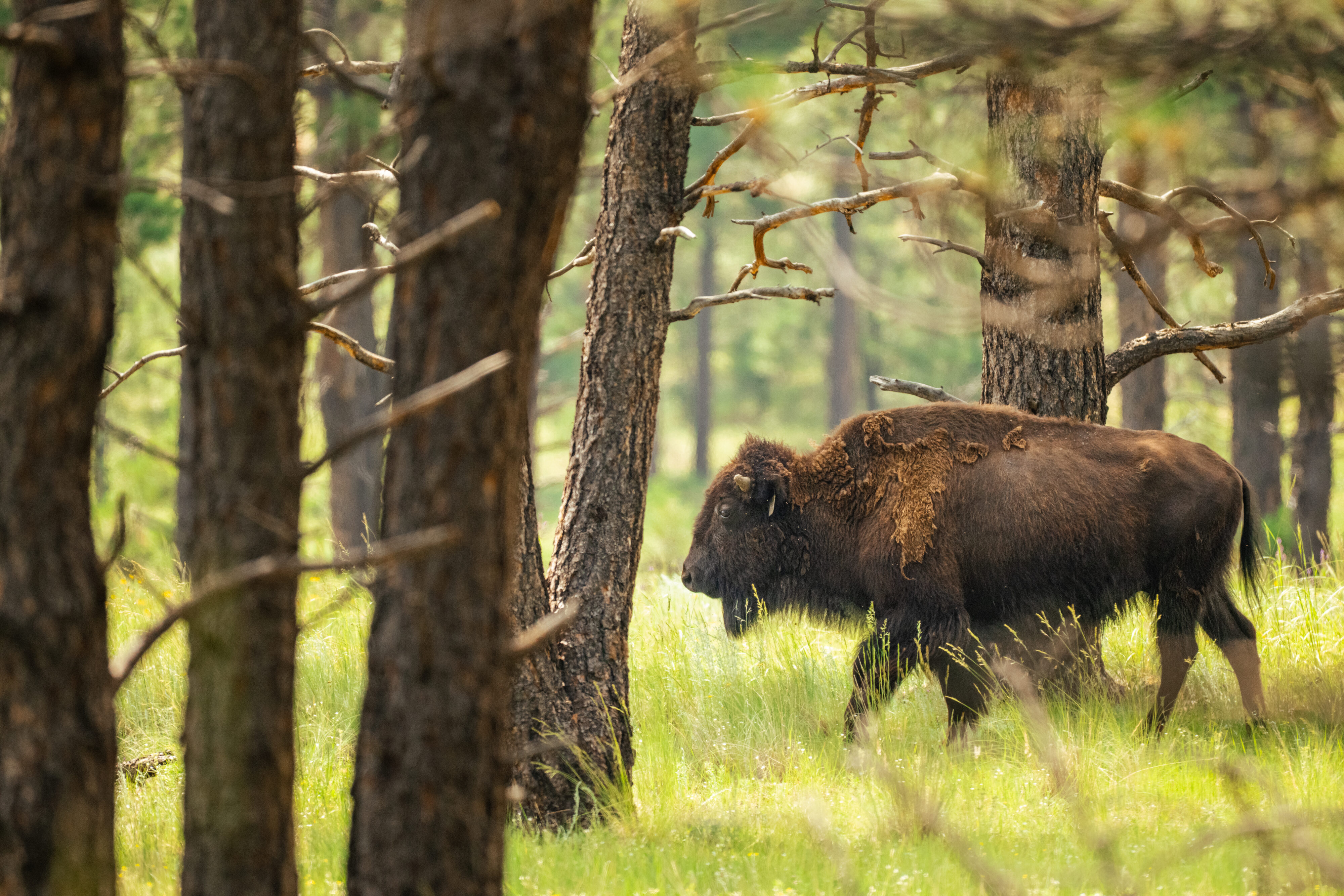






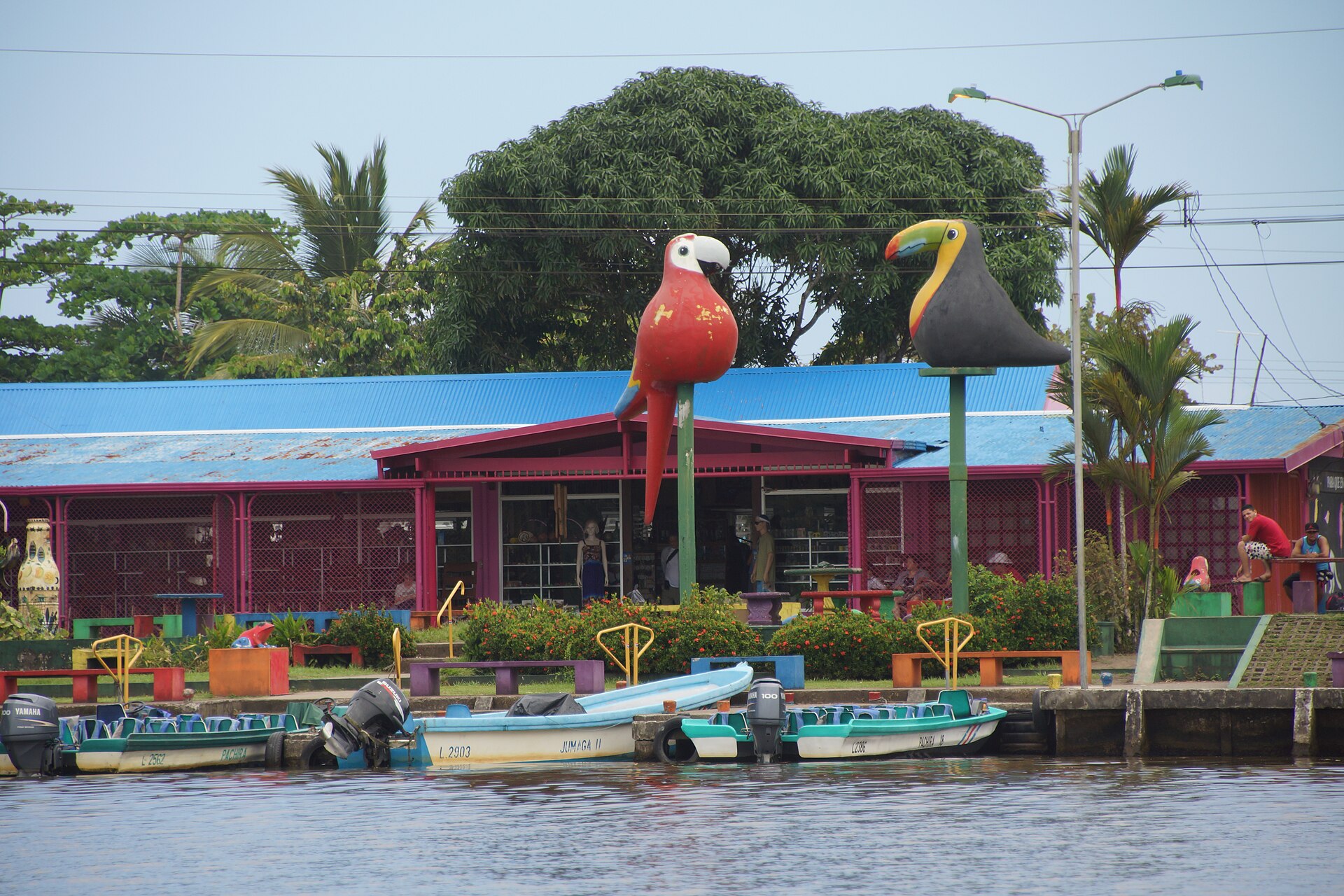
Costa Rica's extraordinary biodiversity draws visitors from around the globe.
Courtesy of Rob Stoeltje, Creative Commons Attribution 2.0 Generic

February 25, 2026
Courtesy of Rob Stoeltje, Creative Commons Attribution 2.0 Generic

Costa Rica is one of the most biodiverse places on Earth—yet tourists are traveling elsewhere.
The country covers just 0.03% of the planet’s surface but holds nearly 5% of its biodiversity, according to the Royal Botanic Gardens, Kew. Ecotourism sits at the center of that distinction, employing over 200,000 Ticos, generating 5-8% of GDP and cementing Costa Rica as a global leader in environmentalism.
But that reputation is under pressure.
In 2025, international arrivals grew by an alarming 1%, far behind Mexico’s 6% and Guatemala’s 10%, according to the National Chamber of Tourism. Business owners and policymakers propose a tough question: can ecotourism sustain economic growth without compromising safety and environmental standards?
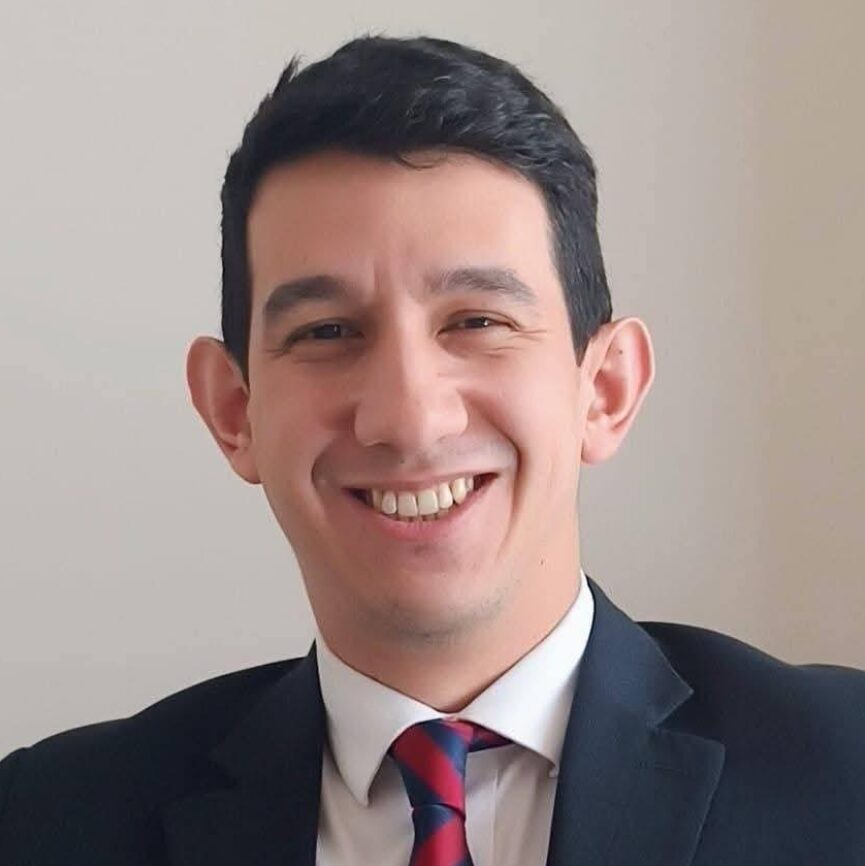
As Minister Counselor at the Embassy of Costa Rica in Washington, D.C., José Alberto Barrantes Ceciliano is on the front lines of that scrutiny.
He started as a journalist, then founded Carretica Cuentera, an educational NGO bringing storytelling and critical thinking to Costa Rican youth. All the while, Barrantes has remained enthralled with the “transformative power of stories.”
“Diplomacy, in many ways, is also about storytelling,” Barrantes said in a recent interview. “[It’s] about connecting realities, building bridges and translating values across cultures,” he added.
At a defining moment, the Minister Counselor shares the story of a country working to save its foremost industry and restore a safe environment for tourists.
The interview below has been edited for length and clarity.
Milynda Armstrong-Stewart: Why does Costa Rica promote ecotourism?
Jose Alberto Barrantes Ceciliano: Ecotourism is a way of living and how we value the richness we have in our ground and in our people. Ecotourism has given families the opportunity to transform a space that was small and unrecognized by the world into a space where people can have fun and discover our richness and resources.
MAS: U.S. arrivals dropped 7.3% and Canadian arrivals dropped 5.8% in February 2025 compared to the year prior. What factors are driving the decline in North American visitors?
JABC: That was true at the beginning of last year, but it depends on the month and the season. Sometimes there are security alerts on the embassy website that can make people afraid, but we are a peaceful country with a solid democracy.
MAS: Do concerns about crime discourage tourists from traveling to Costa Rica?
JABC: We know that if you are looking at the news, what you see is insecurity and problematic cases that probably make you think you cannot visit our country. However, we are working closely with the U.S to protect our coasts, to protect the capital city and to fight against the narco activity that is affecting not just Costa Rica, but the whole region
MAS: What specific strategies have the U.S. and Costa Rica generated?
JABC: Last year we received a donation of two scanners for our ports because Costa Rica was number one in cocaine exportation to European countries. We installed these scanners with the support of the U.S. government, and we have seen a reduction in cocaine exportation. This sends a message to organized crime groups that Costa Rica is not a country to do their business.
MAS: In July 2025, Canadian tourist Christopher Deir was killed in Tamarindo during a home invasion in his Airbnb. How does the government instill confidence in North American travelers when things like this happen?
JABC: It’s a shame when something like that happens and the government of Costa Rica always sends condolences to these families. What we can do is continue working on security strategies to offer a safer country for all.
MAS: But how do you convince tourists to come to Costa Rica still?
JABC: Every country in the world has these kinds of cases. This is not a justification. I don’t want to reduce the issue. In terms of what we can do, there is a hard reality we are facing as a region. We have to tackle organized crime. What we can offer as a country, as a government, is to have stronger measures on security issues.
MAS: What are those stronger measures? If I’m a tourist afraid for my safety, I’m not going to feel reassured if you say, “We’re working on it.”
JABC: The new administration of President Laura Fernandez will give more resources to the police. Sometimes, you won’t find this information in the press, but it’s a really important measure to guarantee safer travel. That’s an example that I can offer you that is not just blah, blah, blah.
MAS: What is the Essential Costa Rica brand and what is its purpose?
JABC: The Essential Costa Ricais all about the resources we offer as a country to the rest of the world. It implies how Costa Rica changed its economic model from agriculture to a high-tech, hop-over model where our main exports are medical devices. We are selling to the world a country of people getting the necessary skills to face the challenges of the 21st century. And a country that respects nature, biodiversity and the balance between conservation and the progress of tourism.
MAS: Greenwashing refers to when an organization dresses up environmental achievements to seem more sustainable or beneficial than actually are. Does Costa Rica greenwash its environmental achievements?
JABC: No. Costa Rica is more than greenwashing. It is about facts. For example, Costa Rica reversed decades of deforestation, increasing forest cover from a historic low to around 57% today.
MAS: How is Costa Rica managing overtourism? Even when tourists respect the rules, an influx of visitors can degrade the environment.
JABC: The country is building projects to offer new opportunities to families, not just the big resorts. Family-based projects are getting more resources to attract new tourists and create jobs in different areas of the country. So, it’s all about balance. Yes, we are receiving a lot of tourists, but this is also generating employment.
MAS: More than 14% of the population is employed in the tourism industry. That’s hundreds of thousands of people. Is every family able to be involved in one of these projects?
JABC: It depends. The certification for sustainable tourism certifies that your company is eligible for government support, based on environmental impact, social and community engagement, cultural preservation and economic contribution to local development. The tourism authority then gives support to families that have the resources to make a project. Small entrepreneurs find success alongside big resorts because of the economic environment and government opportunities.
MAS: Sunday, tough-on-crime candidate Laura Fernandez won the presidency in a first-round landslide. What does her election mean for Costa Rica’s fight against crime?
JABC: President-elect Laura Fernandez’s government will work with U.S. authorities to stop narco activities and give people the confidence to travel to our country again. Costa Rica is well known as a peaceful, longstanding democracy—we cannot allow organized groups to establish their rules here. The only way is to work together. The government, the public sector, the private sector and the NGOs—all the people together, against these organized groups, to show the world the right path and offer tourists a safe place to visit.
A project of

in collaboration with