Across the Arctic | Southeast Greenland’s fjords: Adapting to a changing climate
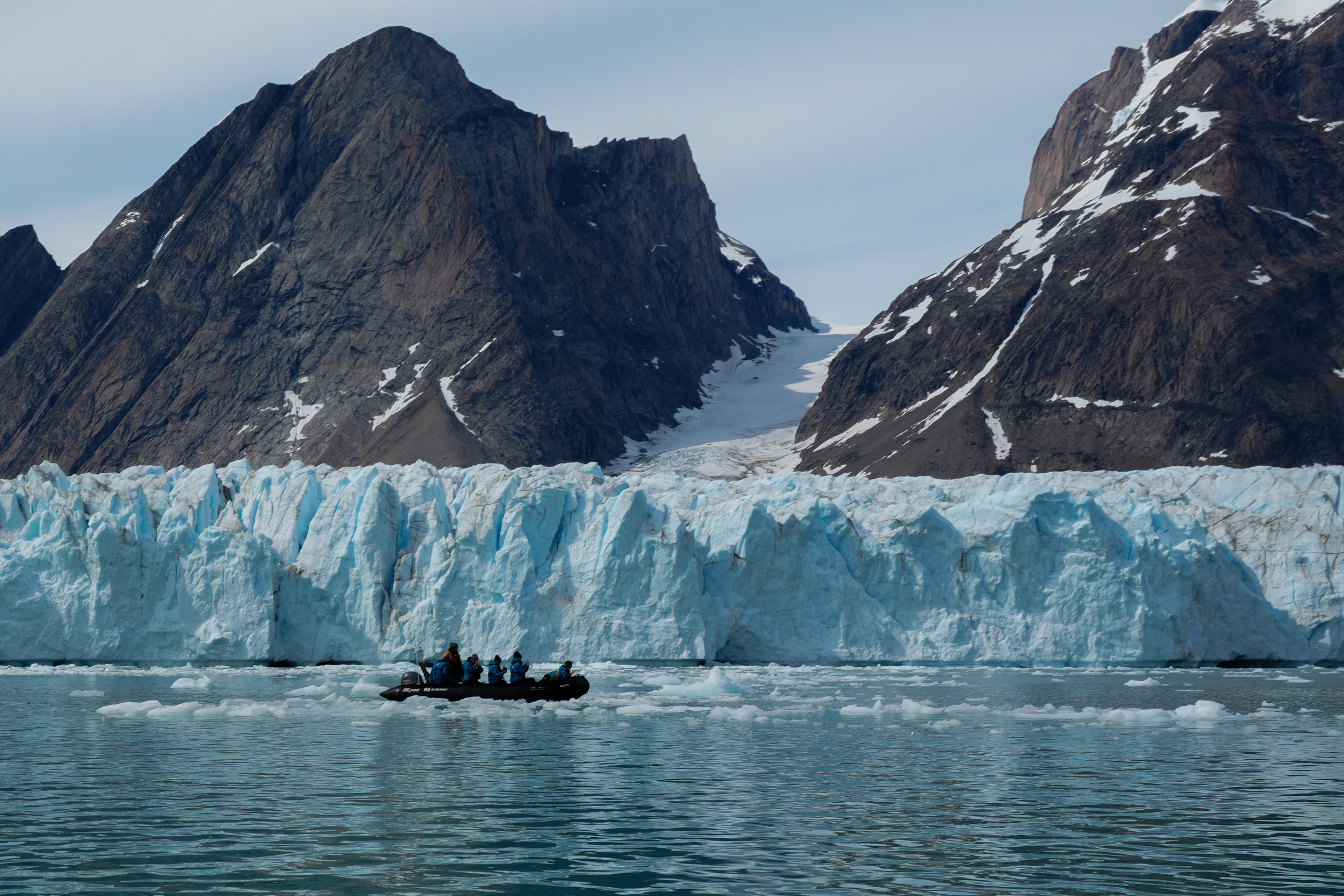
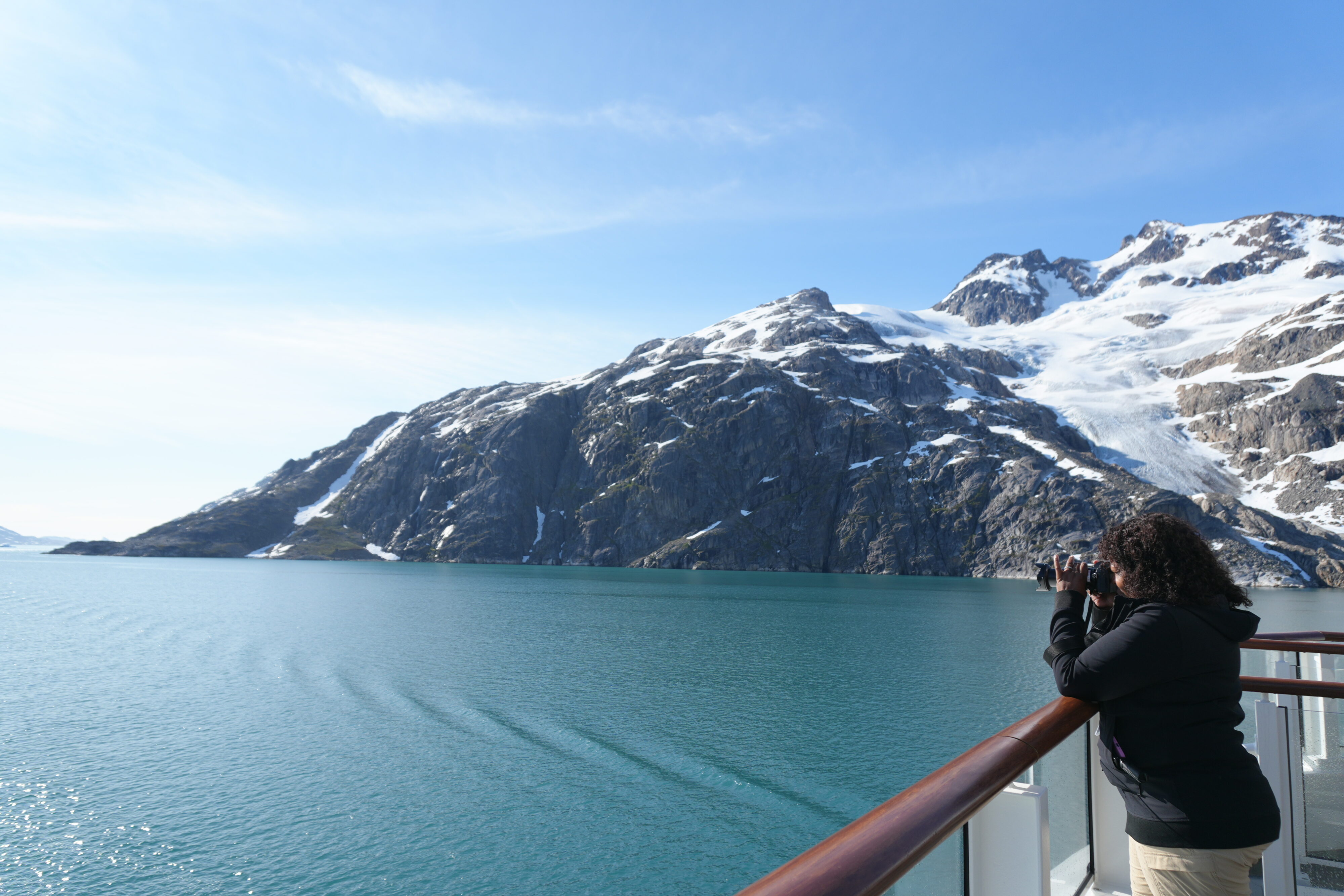
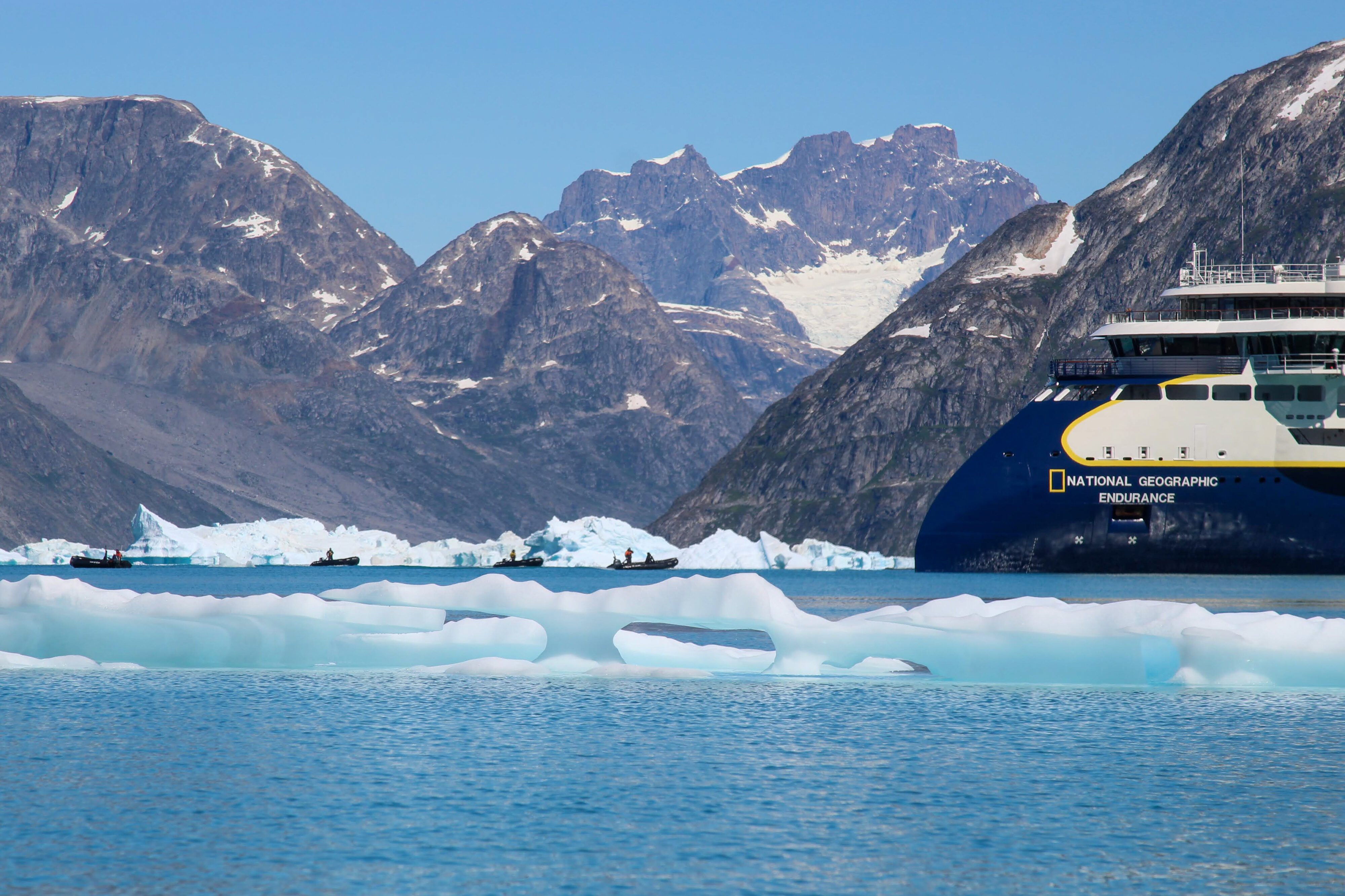
Passengers of the National Geographic Endurance zodiac navigate ice in the water, as they cruise alongside a glacier in one of Southeast Greenland's fjords.
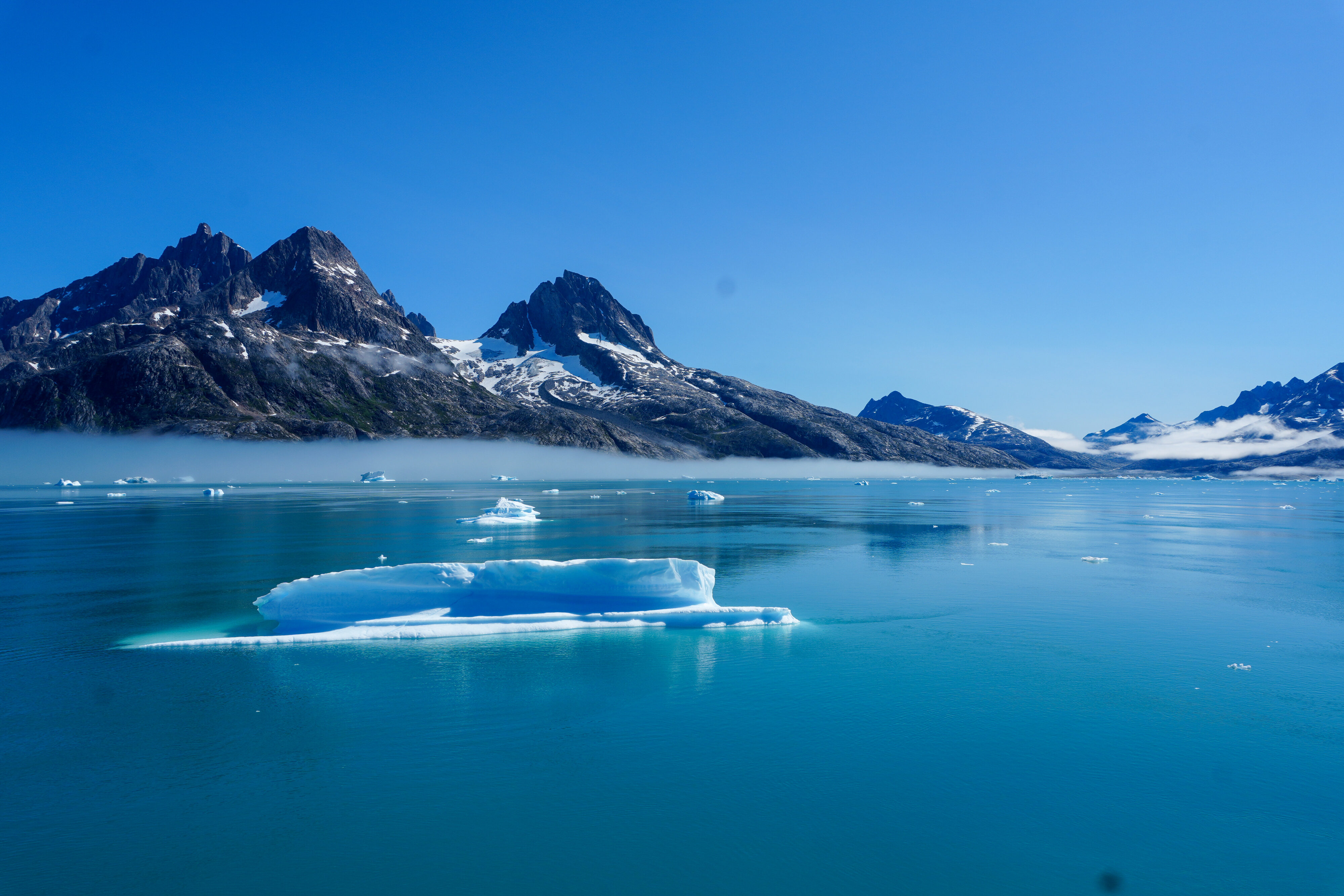
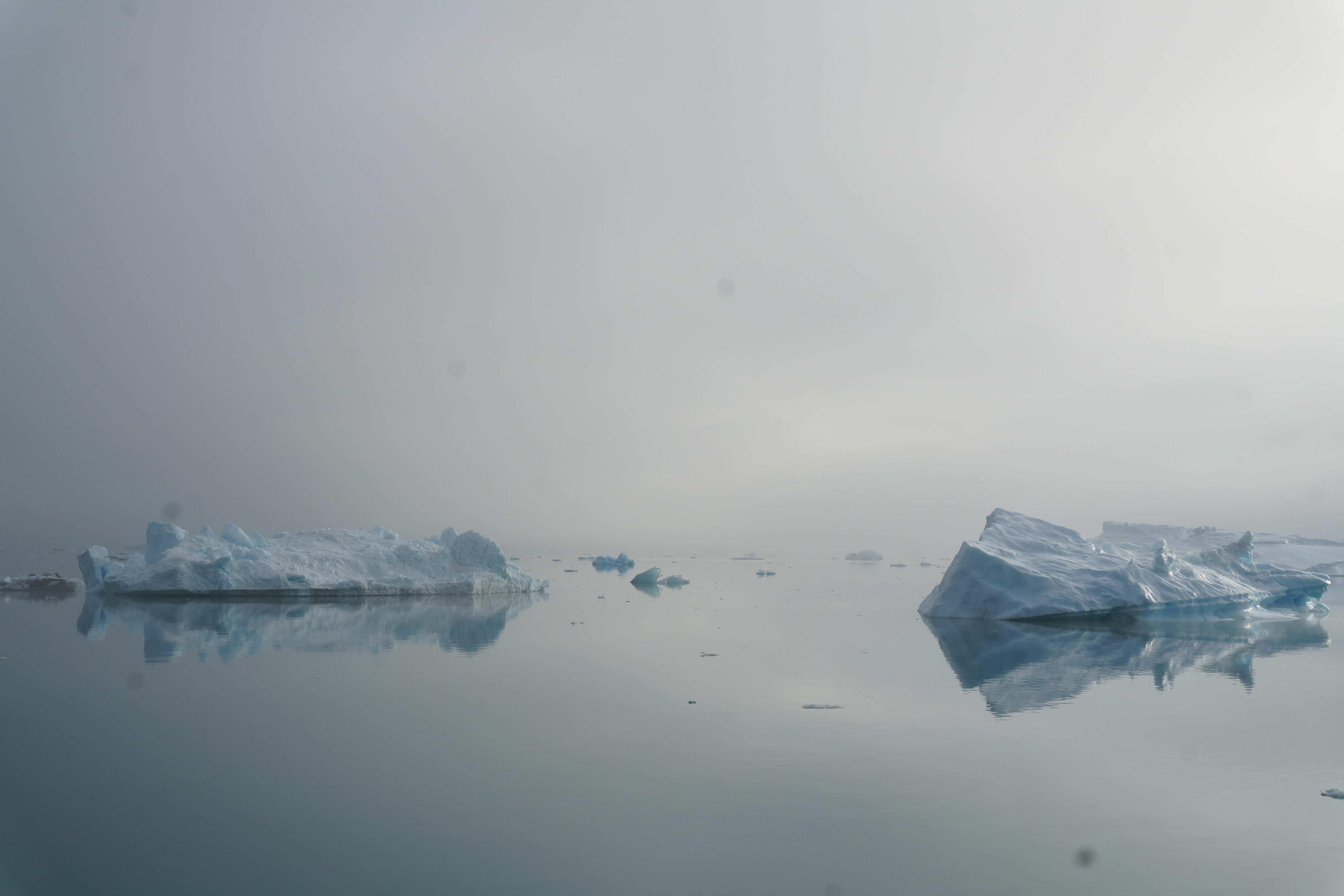
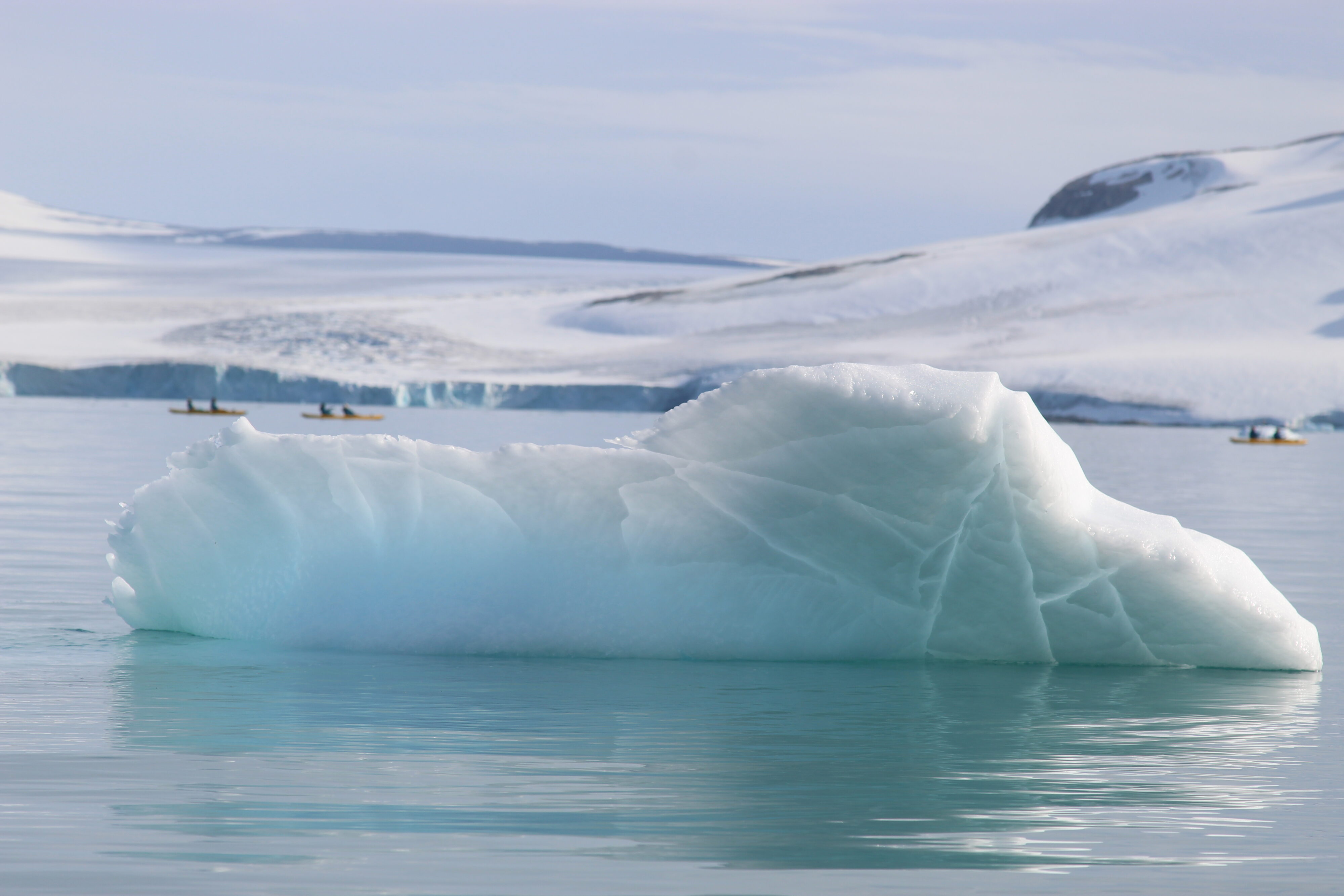
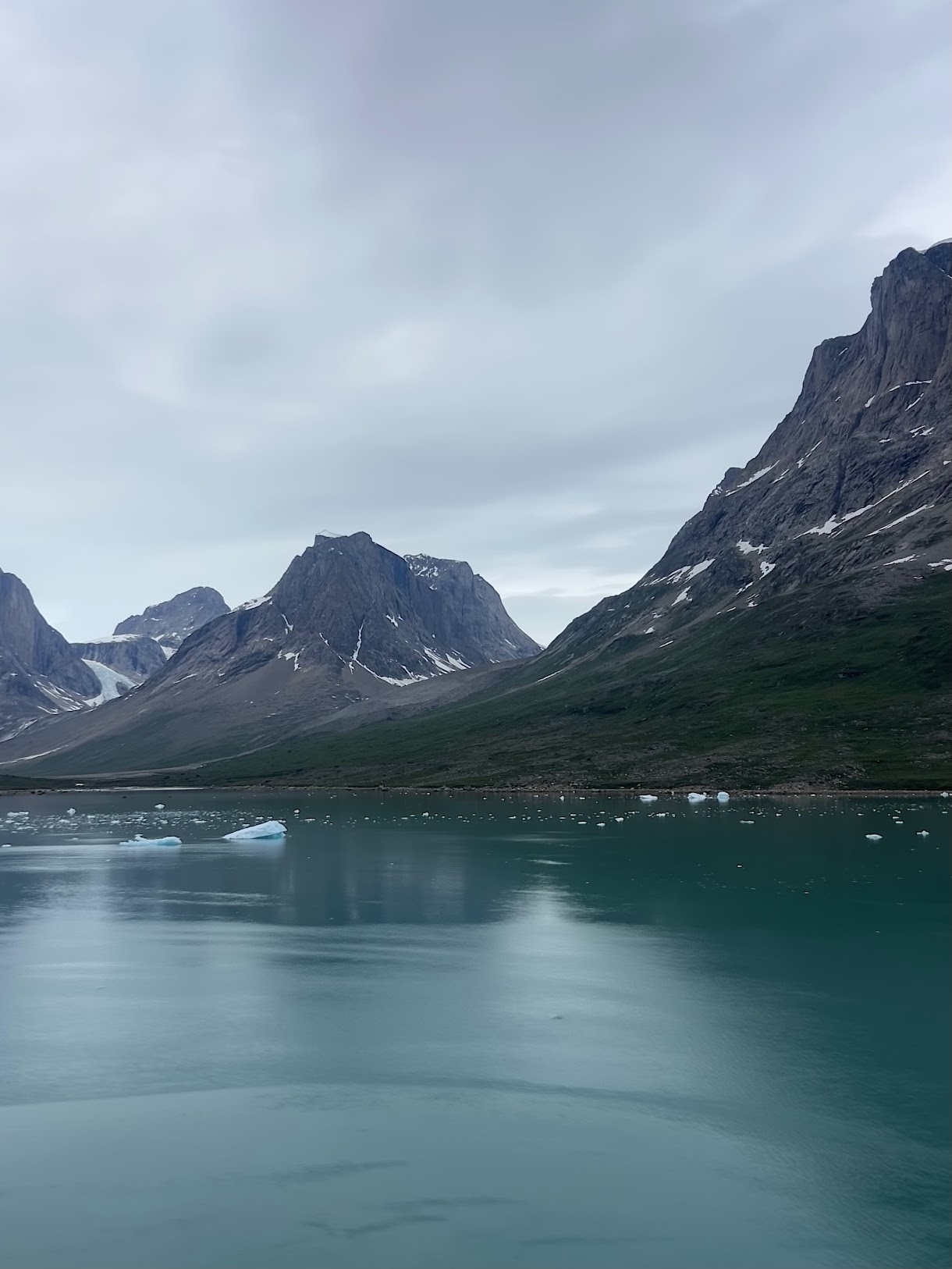
A maze of fjords covers Southeast Greenland’s coastline. Steep granite walls rise thousands of feet above the long, narrow sea inlets carved by glaciers; waterfalls and streams spill glacial meltwater and sediment into the sea. Snowcapped mountaintops, clusters of wildflowers, and valleys splotched greenery stick out among rocky landscapes.
Standing at the bottom of one of these valleys, surrounded by the elements and hearing only the flow of freshwater, these places feel ancient — almost timeless.
But appearances can be deceiving.
Photos by Kailey Aiken
In reality, few places on Earth are changing faster. Fjord ecosystems support a variety of Arctic wildlife, including polar bears, seals, whales, seabirds, and abundant fisheries. But warming waters, melting glaciers, and declining sea ice are reshaping how many species feed, migrate, and reproduce.
The mix of fresh and salt water, combined with glacial sediment runoff, give fjords a unique oceanography. This makes them home to a wide range of organisms, according to Kim Nesbitt, an undersea specialist and marine biologist, aboard the National Geographic Endurance explained. Sediment from glaciers blocks sunlight, helping create cold, stable conditions, while glacier melt delivers nutrients that fuel the food web
“(Fjords) kind of simulate deep ocean ecosystems without actually having the depth,” said Kayvon Malek, an undersea specialist aboard the National Geographic Endurance. “So, in fjord systems, you can actually find deep ocean corals as shallow as 20 feet (deep).”
The term “climate refugia” is used to describe places where specific conditions remain stable enough to protect species from the worst effects of climate change. Around the world, researchers are increasingly asking whether Greenland’s fjords could be one of these places.
Inuuteq Kriegel, a culturist and Inuit Greenlander, said that the Inuit people never had to “overcome” the Arctic climate. They simply existed within it. And as their country’s climate has changed through the years, they have adapted with it.
Inside the fjords, wildlife is trying to do the same.
Wildlife adapts
The monarch of the Arctic, the polar bear, utilizes sea ice in and around fjords for hunting, mating, and habitat. Their reliance on a disappearing commodity makes them extremely susceptible to climate change.
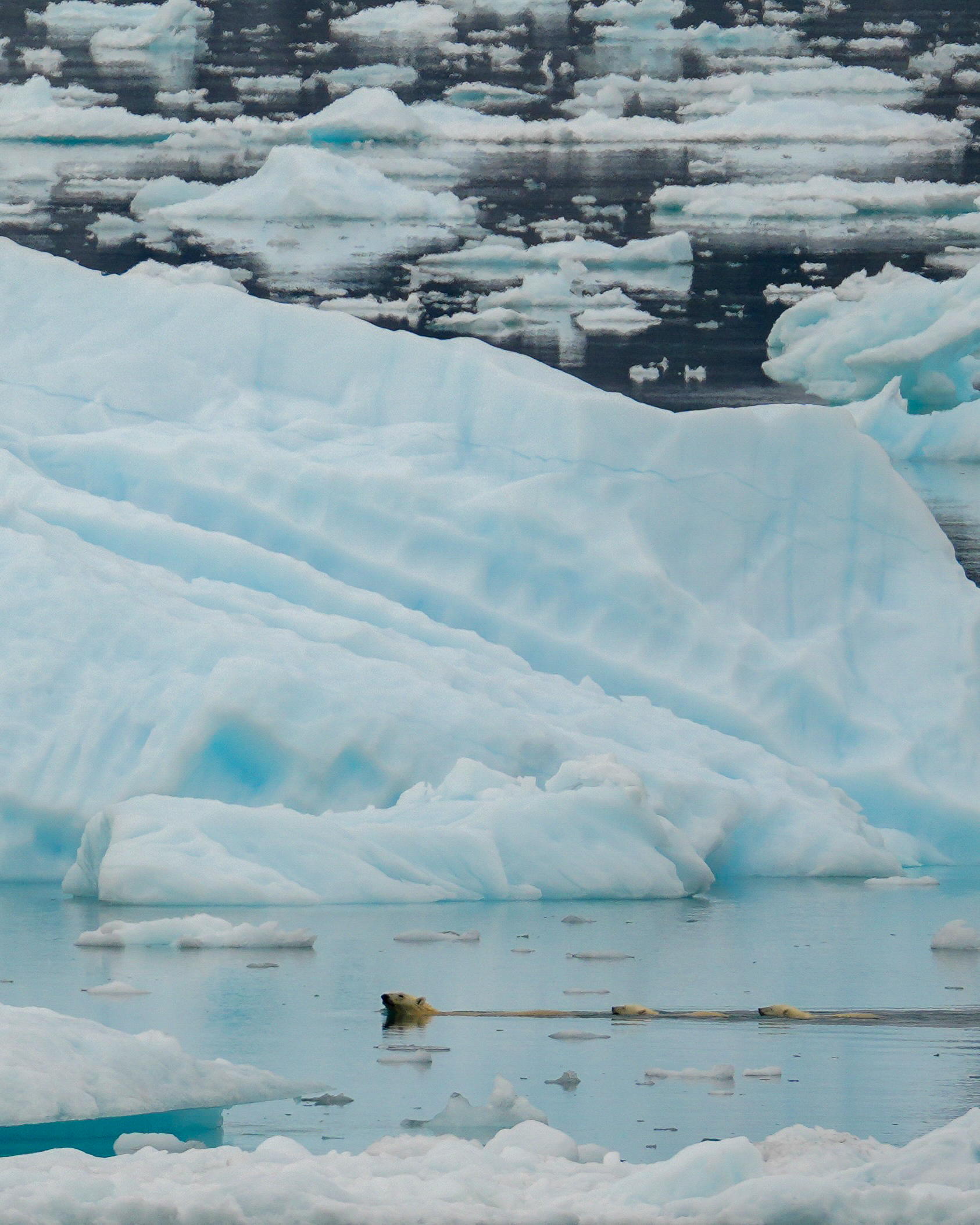
But in 2022, researchers released a report on a unique subpopulation of polar bears in Southeast Greenland that changed their behaviors to adapt to the lack of annual sea ice that bears in other parts of the Arctic rely on to hunt seals. For this subpopulation, icebergs calved from glaciers, known as freshwater glacial melange, served as a substitute to the sea ice.
According to the study, “this suggests that marine-terminating glaciers, although of limited availability, may serve as previously unrecognized climate refugia” for polar bears. The researchers believe that studying the subpopulation in Southeast Greenland, which is genetically distinct and has uniquely adapted, could be invaluable information regarding the future of polar bears in the Arctic.
A female polar bear and her two cubs swim about icebergs. (Photo by Kailey Aiken)
But even as some animals begin adapting, the effects of climate change are cascading. Polar bears’ main food source, seals, also rely on sea ice, Malek said.
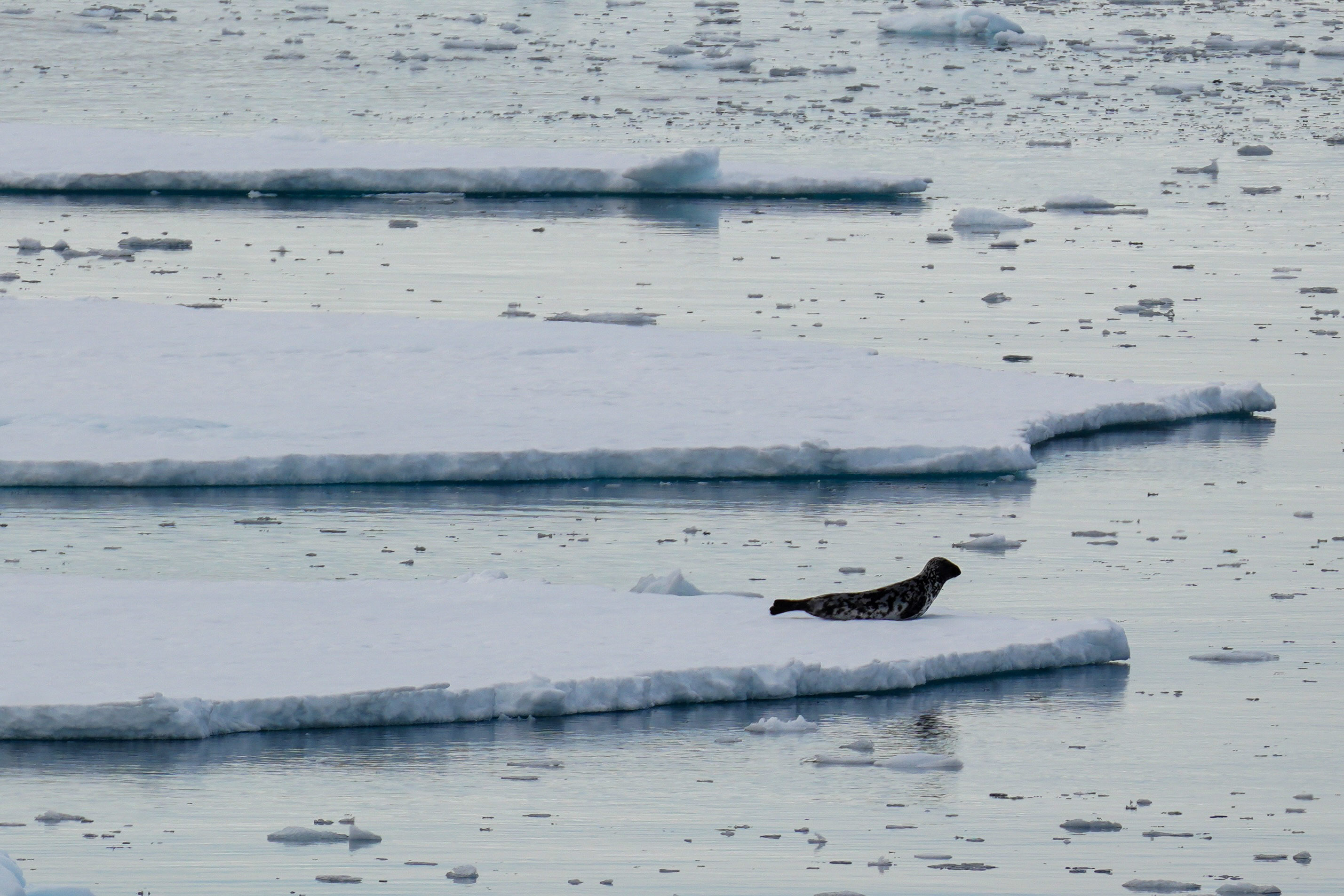
Sea ice and glacier ice act as nurseries for seals. They’re places to rest, give birth, and stay close to food. As ice melts, seals do “not necessarily move further north,” Malek said, but it is “more like (they are) retreating further back.”
That “retreating back” stretches the distance between where mothers give birth to their pups and where food can be found. In many seal species, mothers already fast while weaning, and as they move further from their food source, both mothers and pups become more likely to starve. Ringed seals are one seal species that gives birth on the ice, and their pups are not born “waterproof,” Malek said. If they do not have enough time on the ice, they are also at risk of drowning and dying.
A ringed seal sits atop an iceberg. (Photo by Kailey Aiken)
Greenland cod, Malek said, is another ice dependent species, and it is vital to fisheries in Greenland. Juvenile cod feed on algae on the bottom of ice, and move with it, using it for habitat and safety.
Fishing is the main economic sector in Greenland, meaning negative impacts of climate change in the fjords have the potential to damage the economy. However, Kriegel says he, his family, and his friends, have yet to see any of these changes in their day to day lives in Greenland.
Animals that can’t adapt
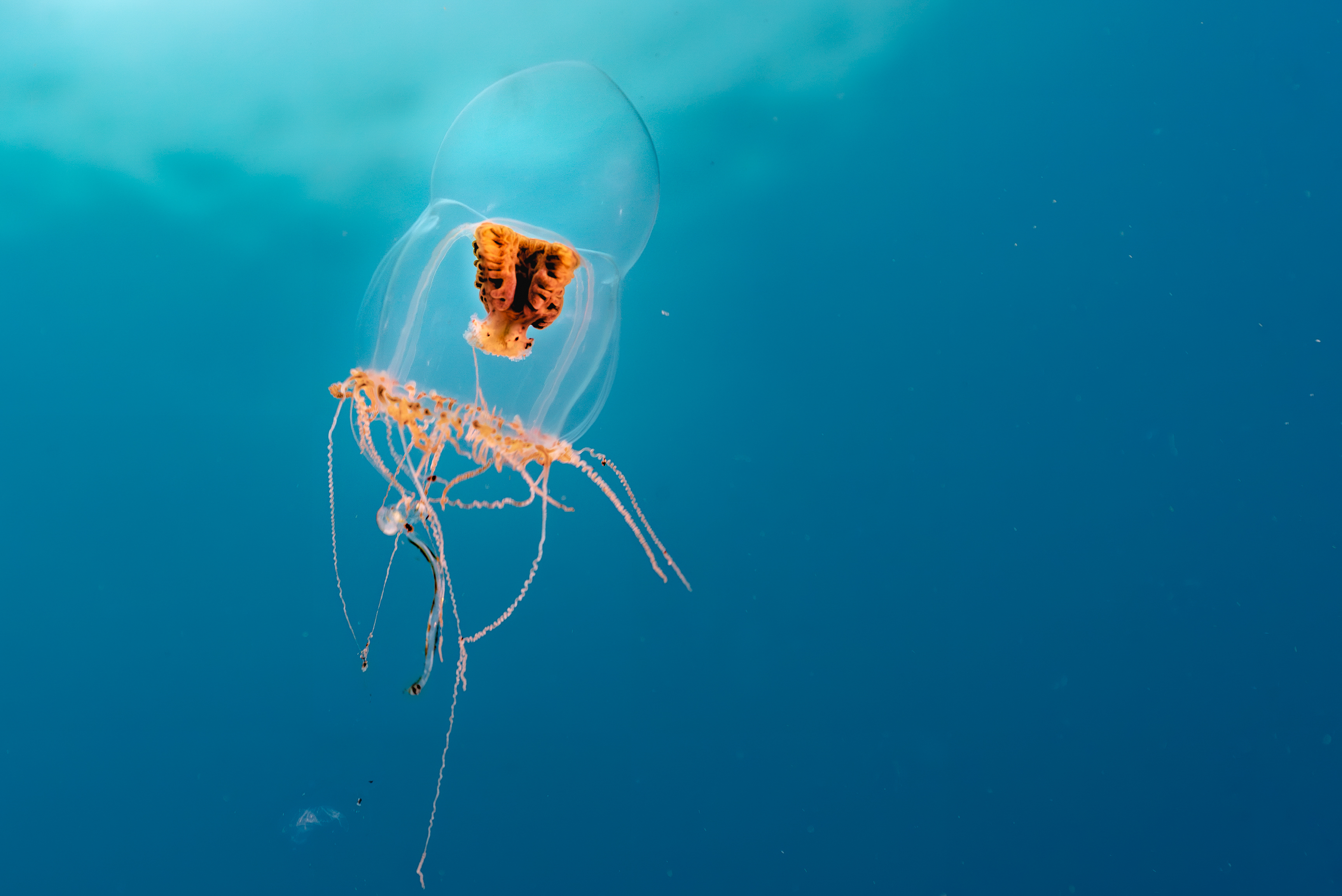
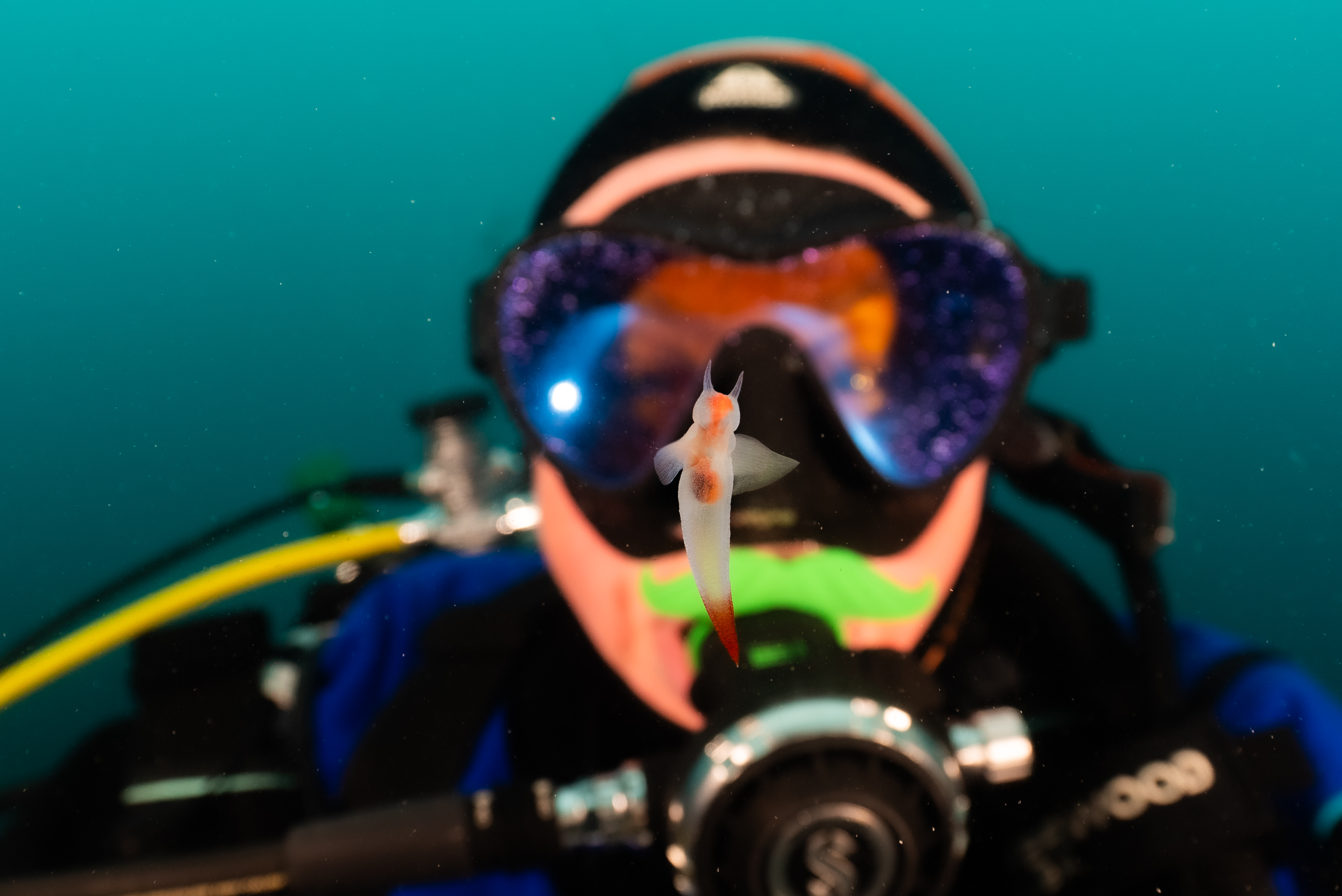
Beneath the surface, a veil of sediment and freshwater gives way to a robust marine ecosystem, bursting with vibrant deep-water corals, sponge gardens, sea angels, sea butterflies and other strange-looking creatures that resemble the deep ocean more than the shallow coastal waters they live in. The fjords’ unique conditions of cold, oxygen-rich water, strong currents that deliver plankton to corals to feed on, and glacial sediment that blocks sunlight, allow species typically found hundreds of feet below the surface to survive in comparatively shallow water.
“Corals first evolved in cold water,” Nesbitt said. “There’s twice as many cold water coral species as there are warm water corals.”
Unlike tropical corals, these species don’t rely on symbiotic algae for food because the nutrient-rich water provides enough plankton to sustain them.
But many of these organisms are long living and slow growing — the last to respond to change, Malek said. Deep-water corals and sponges can live for decades or even centuries, growing only millimeters each year.
The Arctic Ocean is home to several translucent, bioluminescent jellyfish species that thrive in its freezing waters. (Photo courtesy Lindblad Expeditions’ Undersea Specialists)
Below the icy surface of Greenland’s fjords, there is a whole separate world of sea creatures. (Photo by Kailey Aiken)
As glaciers retreat and the physical conditions that shape the fjords begin to change, these long-lived species cannot simply move or adapt at the rate which they would need to survive. Scientists worry that warming waters, altered salinity, and shifting sediment patterns could impact the stable environment these ecosystems have relied on for thousands of years. While fjords are still buffering some species from the brunt of climate change occurring elsewhere in the world, they too will eventually feel its effects if warming continues at the current rate.
Fjords as a refuge
Outside of Greenland, scientists have already observed what happens when warming waters overwhelm cold-water ecosystems. In some cases, fjords have provided a refuge to wildlife in need of colder water.
In 2014, an El Nino weather pattern brought a patch of warm water called “The Blob” to North America’s west coast, causing Sea Star Wasting Disease: a virus that nearly wiped out entire populations of sea star species, including the sunflower sea star, a keystone species along the Pacific Coast. The affected sea stars melted in the heat, ripping themselves apart.
While sea stars across the coast suffered, one population escaped the lethal heat. A 2025 study from Hakai Institute found remnant populations of sunflower stars surviving inside British Columbia’s fjords.
“These sunflower stars in the fjords were just able to move down further and get to colder water in a way that other sea stars, coastal ones, weren’t able to, because they didn’t have that deep water,” Malek said.
The sea stars living in fjords were able to retreat into deeper, colder, saltier water, where oceanographic conditions appeared to shield them from the disease and effects of warming. The study concluded that fjords can function as climate refuges and that protecting these populations of sea stars could be imperative for the species’ recovery.
“(This) would be a case of looking at fjords as this basin of colder water that species could retreat to, to some degree, to give a buffer,” Malek said.
Malek pointed to another example of fjords as refuge in Patagonia, where a small fjord system is home to one of the world’s few established breeding populations of leopard seals outside of Antarctica. Surviving with glacier ice, Patagonia’s population of seals behaves similarly to how they do in their Antarctic habitat, illustrating how fjords can preserve pockets of cold-water habitat long after surrounding regions have warmed.
As fjords across the world continue to serve as climate refuges, researchers are beginning to wonder how Arctic fjords will act as refuge in the face of a quick changing climate.
In addition to bringing passengers to remote areas, Lindblad Expeditions ships, like the National Geographic Endurance, also help scientists conduct research. (Photo by Will Hinkle)
New researchconducted in 2025 aboard the National Geographic Endurance suggests Greenland’s fjords have remained remarkably healthy thus far. Scientists found well-oxygenated waters throughout the fjords they sampled and evidence that turbulence naturally mixes oxygen through the water column, which helps sustain marine life.
“Greenland’s fjords serve as a natural laboratory for science, offering the opportunity to study the interaction between oceanographic processes and climate without the anthropogenic impact,” the report states.
Essentially, since many Greenlandic fjords remain relatively free from human and industrial pressures affecting fjords elsewhere in the world, researchers can further utilize these ecosystems to understand how climate change reshapes marine ecosystems.
“Now we are observing and seeing changes,” Malek said. “And being able to document those changes, especially in places like (Greenland) where it’s really hard to do that, is super important.”
Most research regarding fjord ecosystems is relatively new.
“Every paper written on deep water emergence starts with a year beginning with a ‘2,’ so it hasn’t been studied that long,” Nesbitt said. Both Nesbitt and Malek reiterated that now is the most opportunistic time to conduct studies on fjord ecosystems, both above and below the surface.
“If you have a patient that you’ve never seen when they’re healthy… you don’t have (that reference),” Malek said.
Before scientists can determine how much Greenland’s fjords have changed, and their potential to act as a climate refuge, there first needs to be a baseline of what a healthy fjord looks like. The opportunity to define that baseline will not last forever.
Editor’s Note: Lindblad Expeditions, our Planet Forward Storyfest Competition partner, made these series possible by providing winners with an experiential learning opportunity aboard one of their ships. We thank Lindblad Expeditions for their support of our project.
This website uses cookies to provide you with an improved and personalized experience. By using this site you agree to our use of cookies. Please read our cookies policy for more information on the cookies we use and how to delete or block them.



 All Topics