


 All Topics


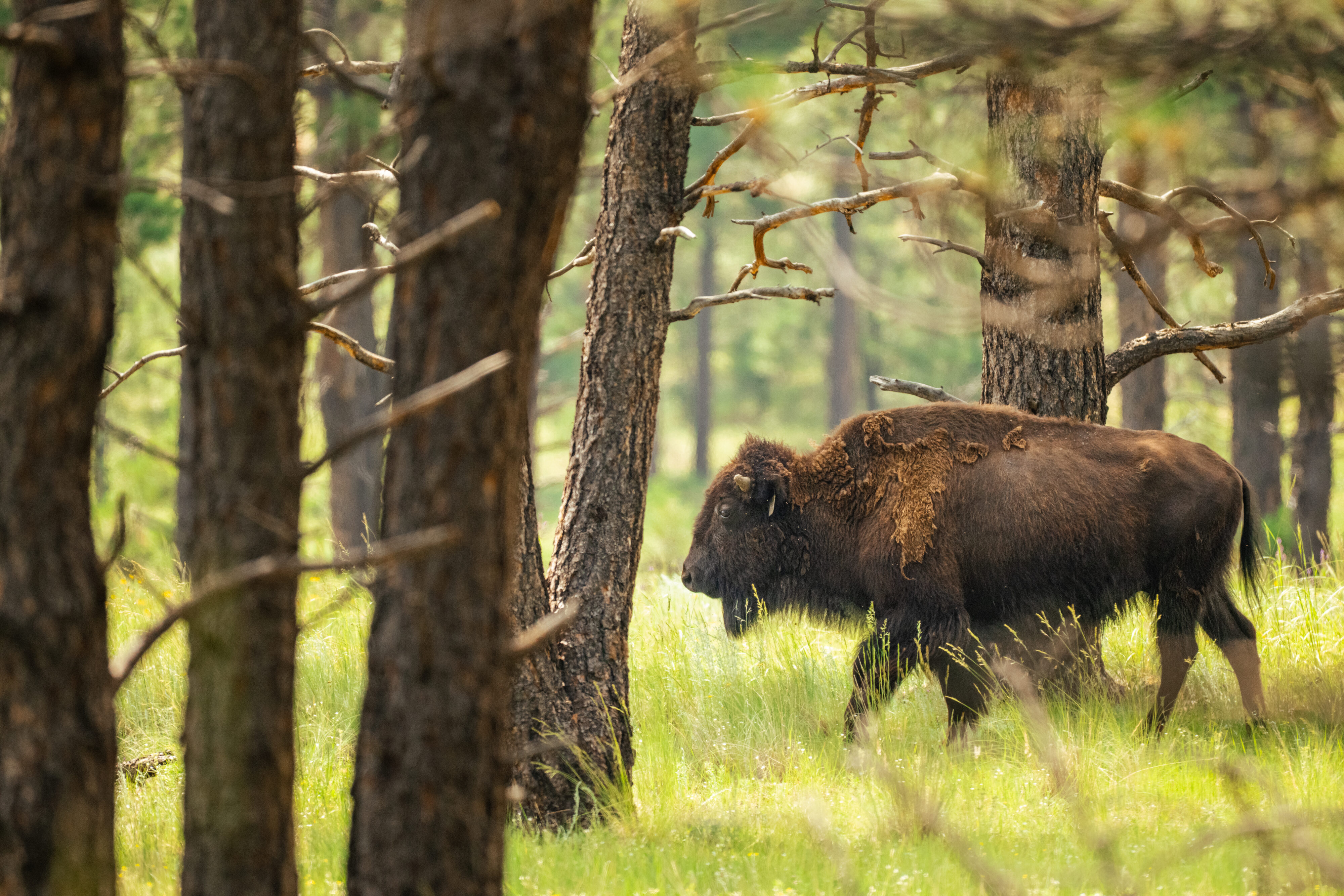


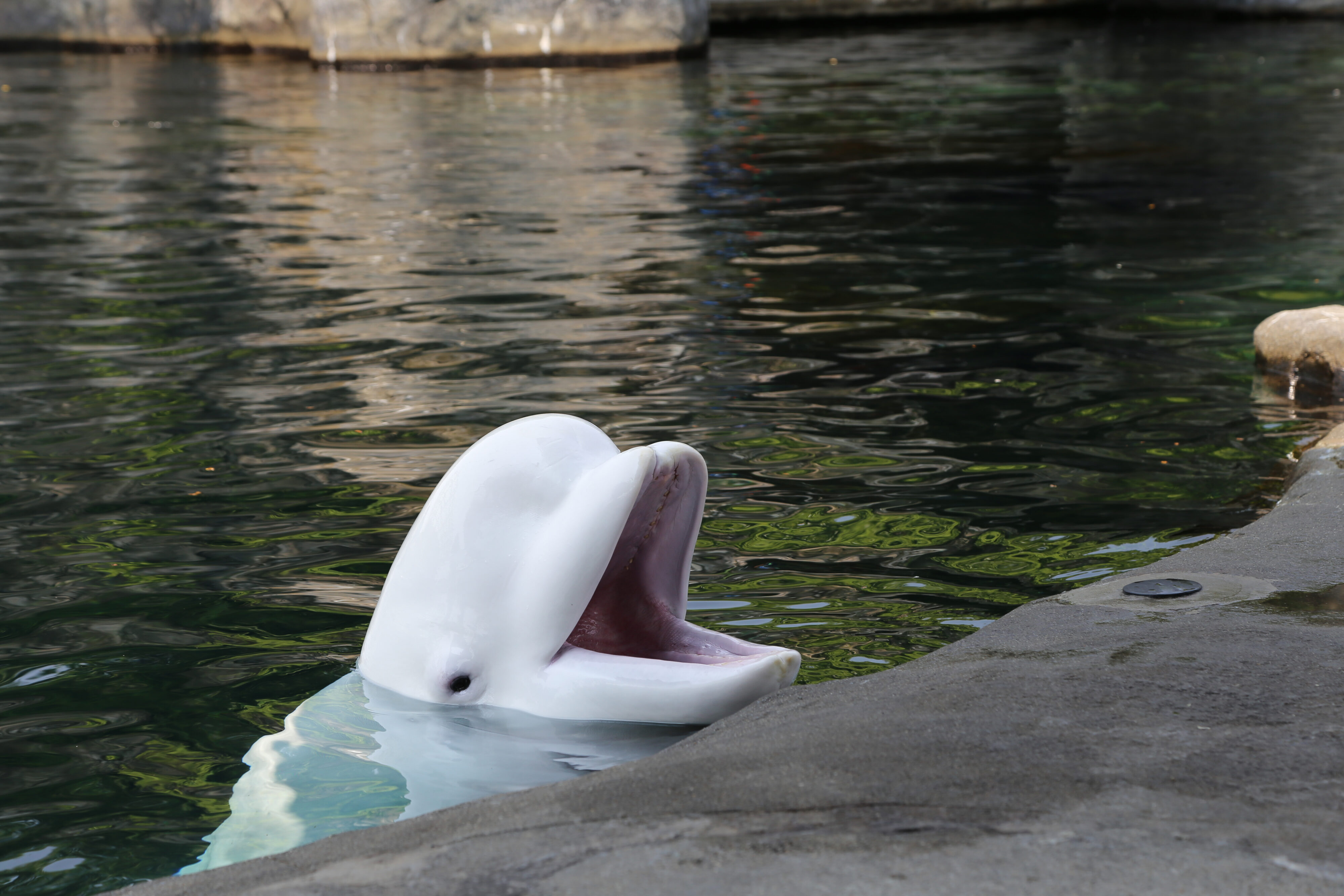



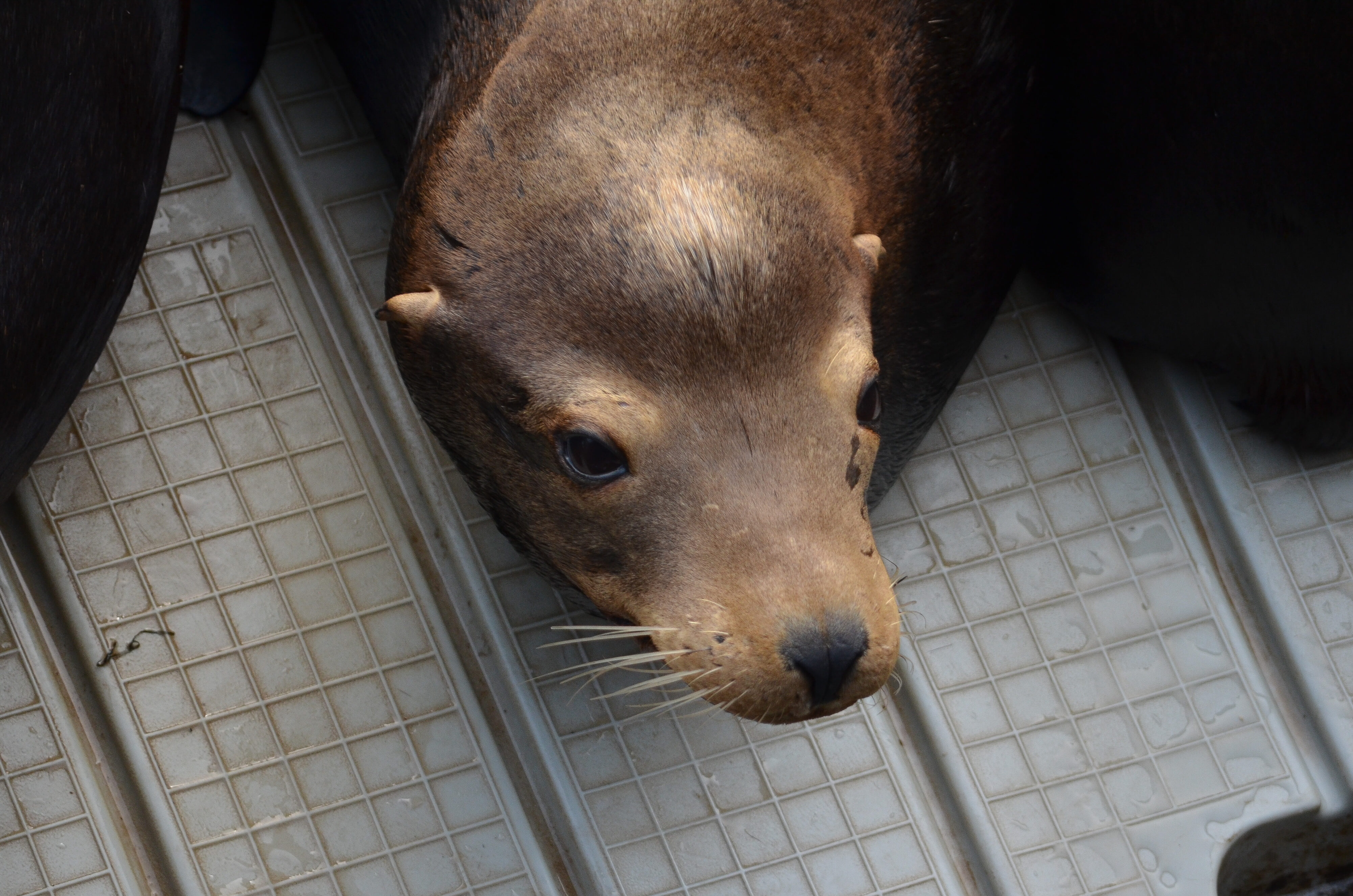
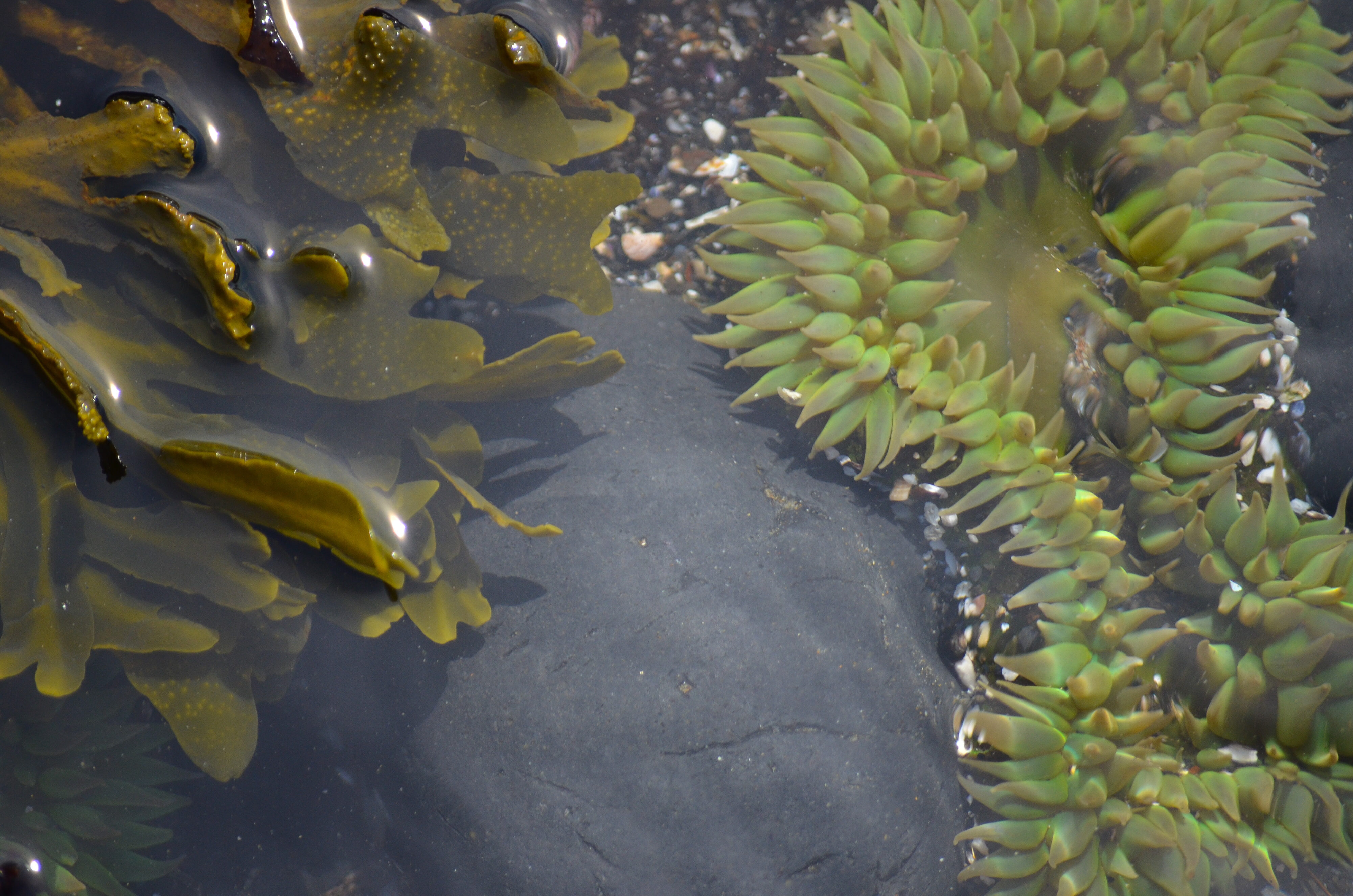
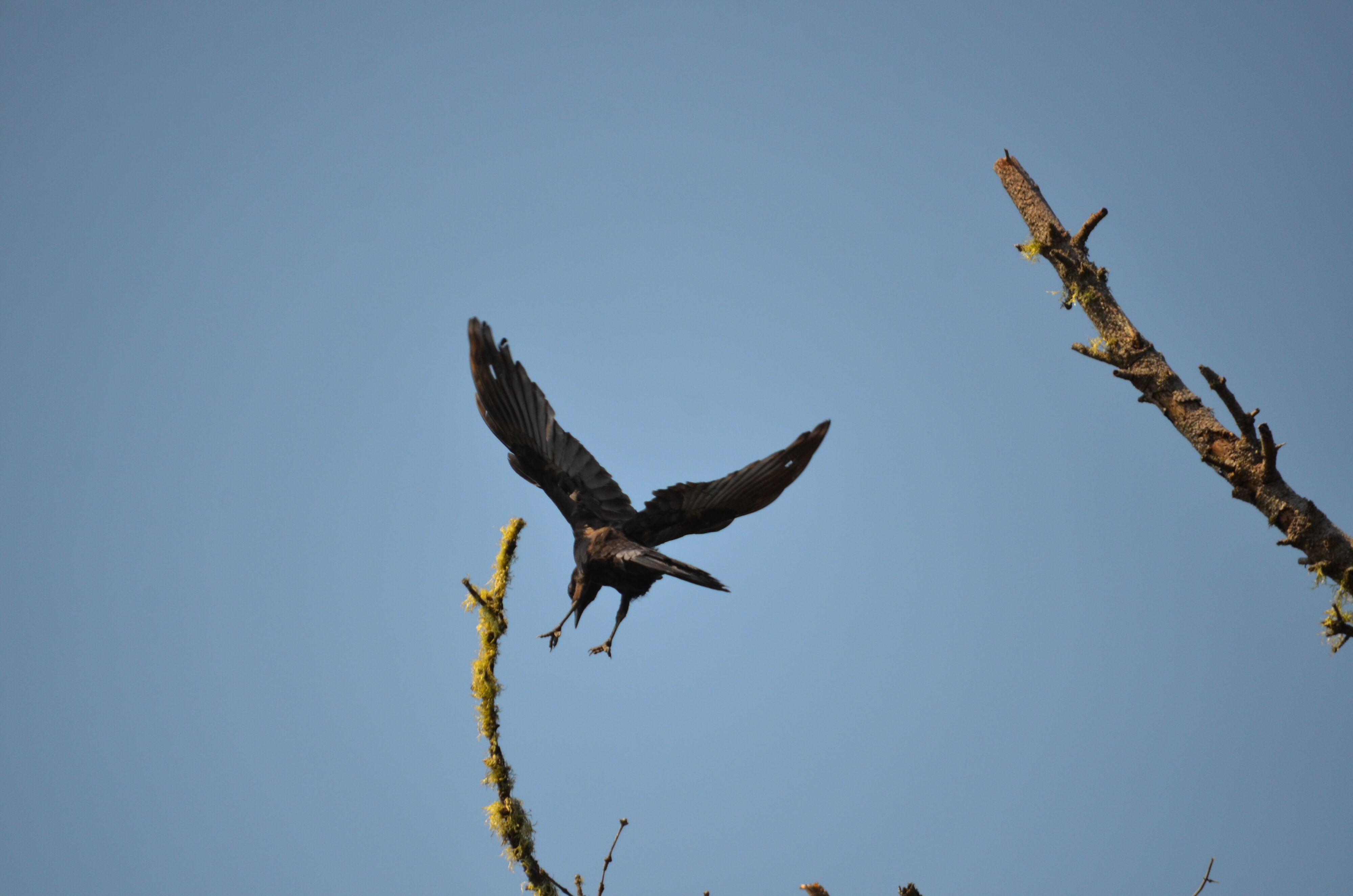
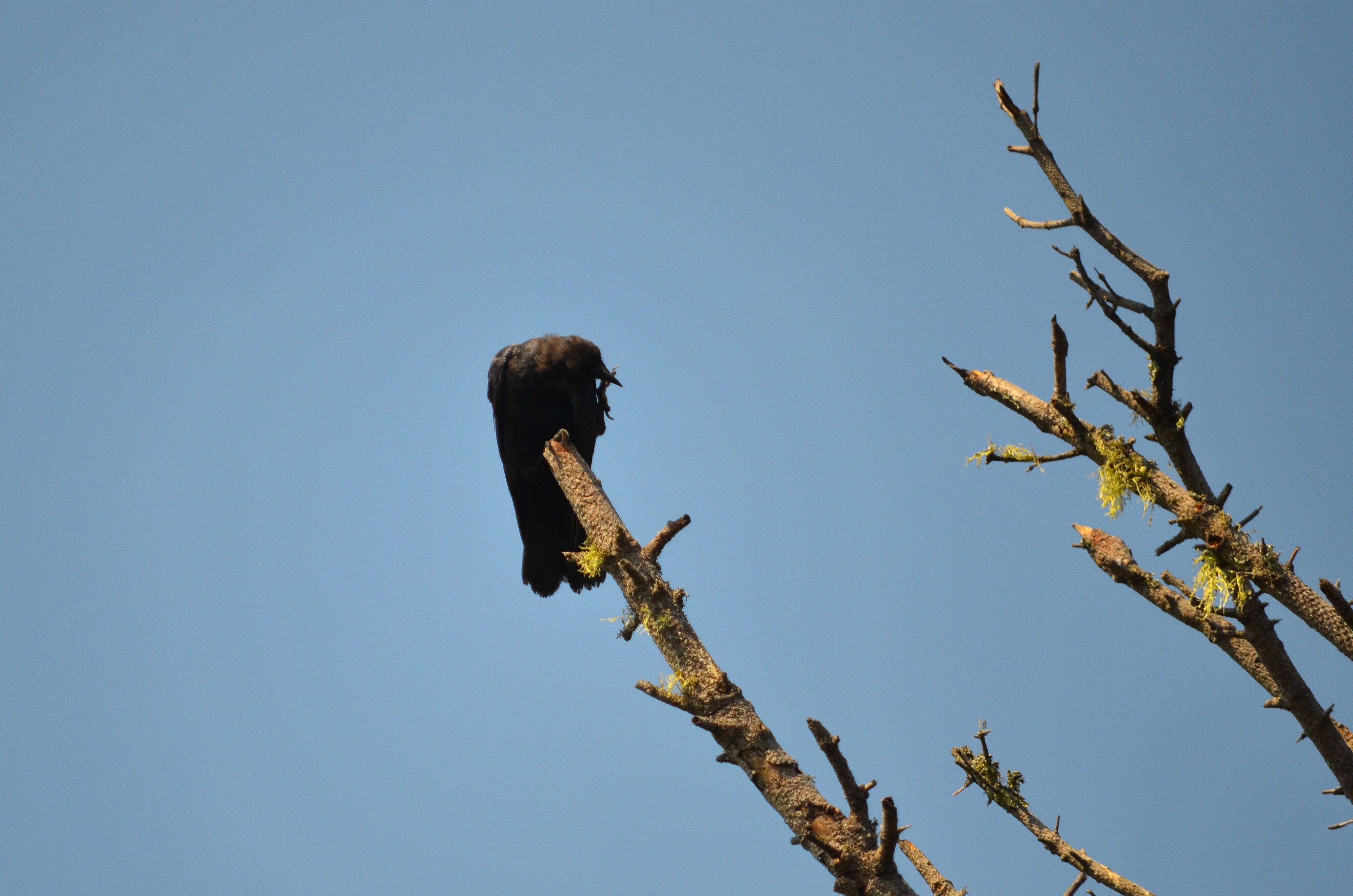
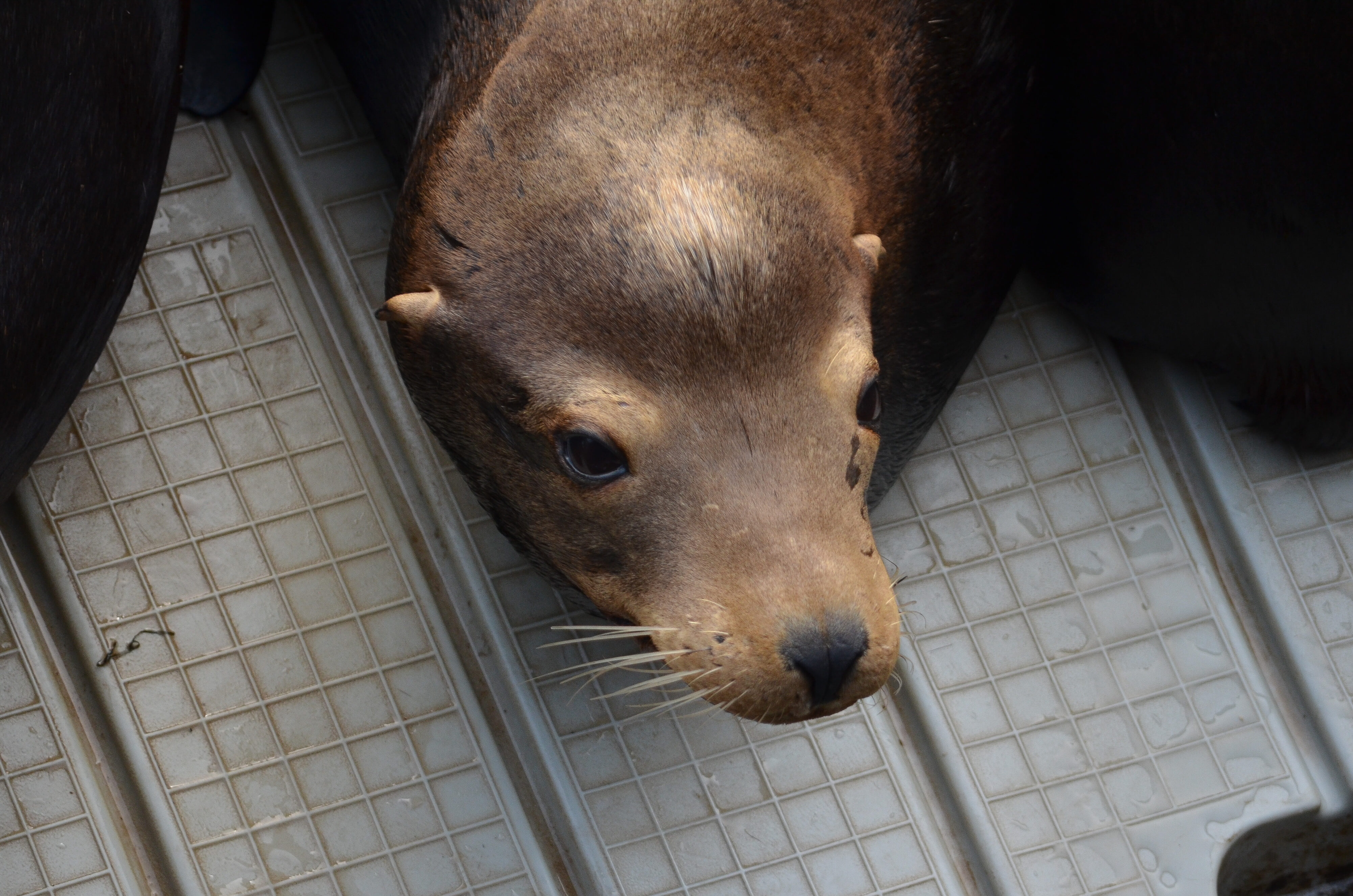
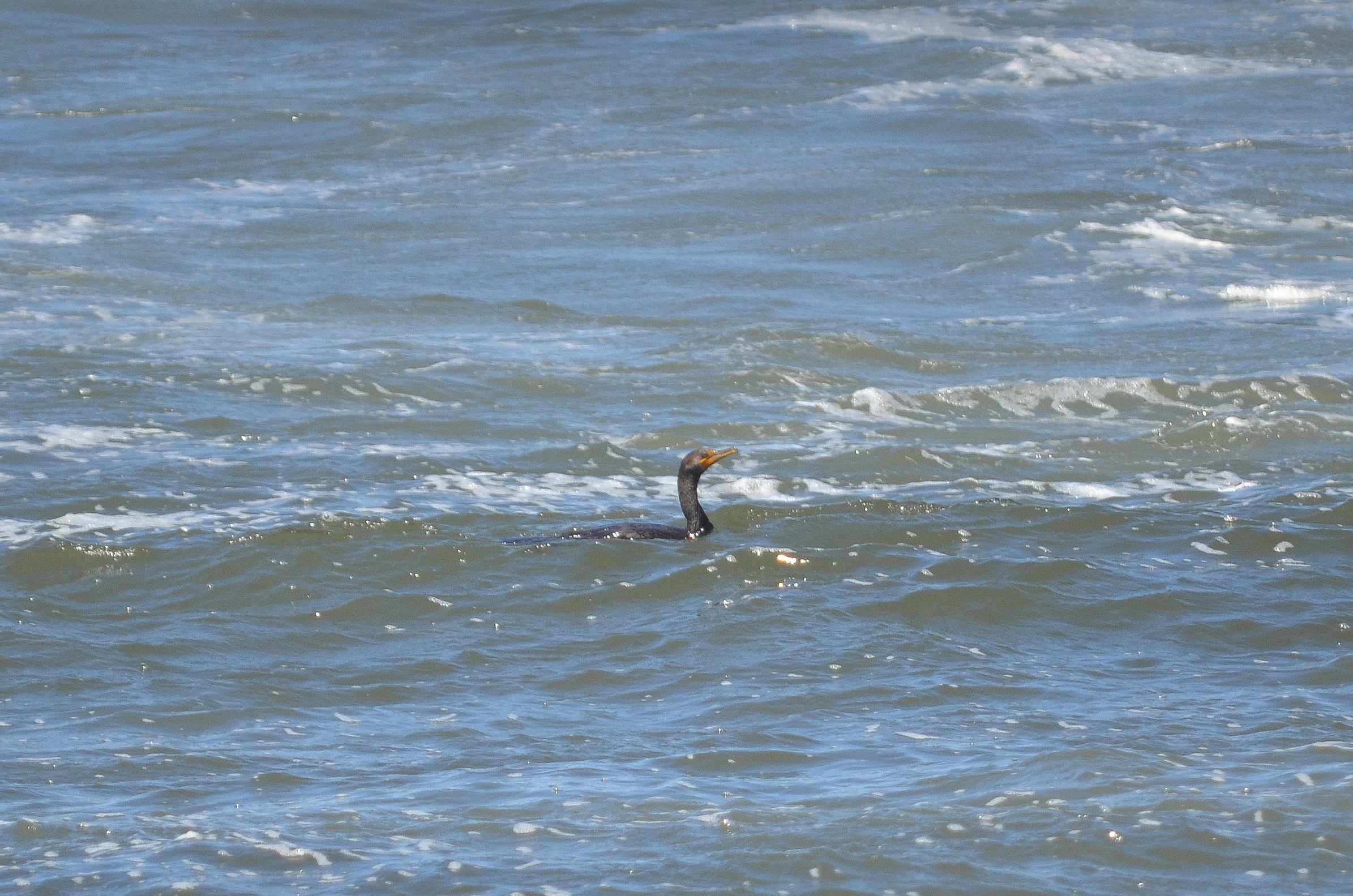
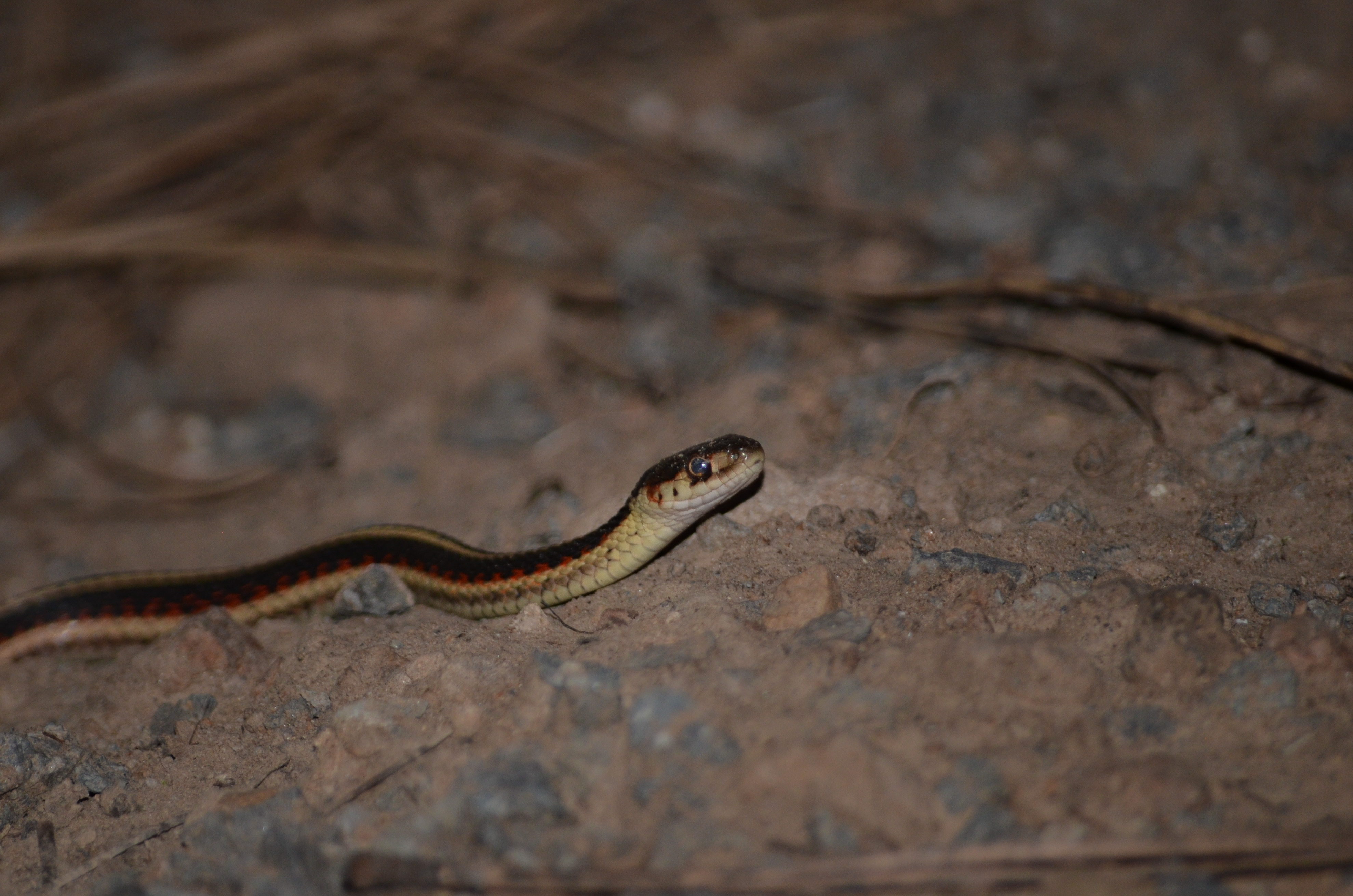
This photo essay documents the diverse wildlife along the Oregon coast.
Auriana Dunn

February 26, 2026
Auriana Dunn
This piece was originally published in Wasatch Magazine on December 7, 2025, under the title “Photo series: Wildlife of the Pacific Northwest.”

Biodiversity is an important natural force. It really is what moves the planet forward. Healthy biodiversity means a healthy ecosystem, and healthy ecosystems mean a healthy planet. It is critical, then, for people to do their part in protecting and conserving biodiversity.
However, this can be done differently across countries, ecosystems, cultures, and species. Conservationists employ creative methods, including building log hives for native bees, wildlife-friendly cattle fences, providing relocation services for nuisance species, wildlife crossings across large highways, and conducting research to inform future conservation planning. These programs are hugely impactful, but with further public support, they can be even more impactful in conserving our planet’s biodiversity. So, how do we garner public interest in protecting sensitive wildlife?
It is my belief, and the motivation of this photo essay, that one cannot truly love something without knowing it. For all the talk people may have of protecting endangered species, it is much easier to act if they care about those species. If they see the species, learn about them, and grow to love them for all their quirks and talents.
I am particularly invested in marine and coastal environments, which are actively threatened by ocean warming, over-fishing, and ocean acidification.
For this project, I traveled along the Oregon state coast. I wanted to photograph as much as I could; I wanted to highlight the ecosystem’s unique biodiversity. With these photos, follow along with me as I meet the wildlife characters of the Pacific Northwest.




A project of

in collaboration with
