
 All Topics










Eliza Cava has worked in environmental education and environmental policy for over two decades.
Courtesy of Benjamin Israel/Nature Forward
February 25, 2026
Courtesy of Benjamin Israel/Nature Forward

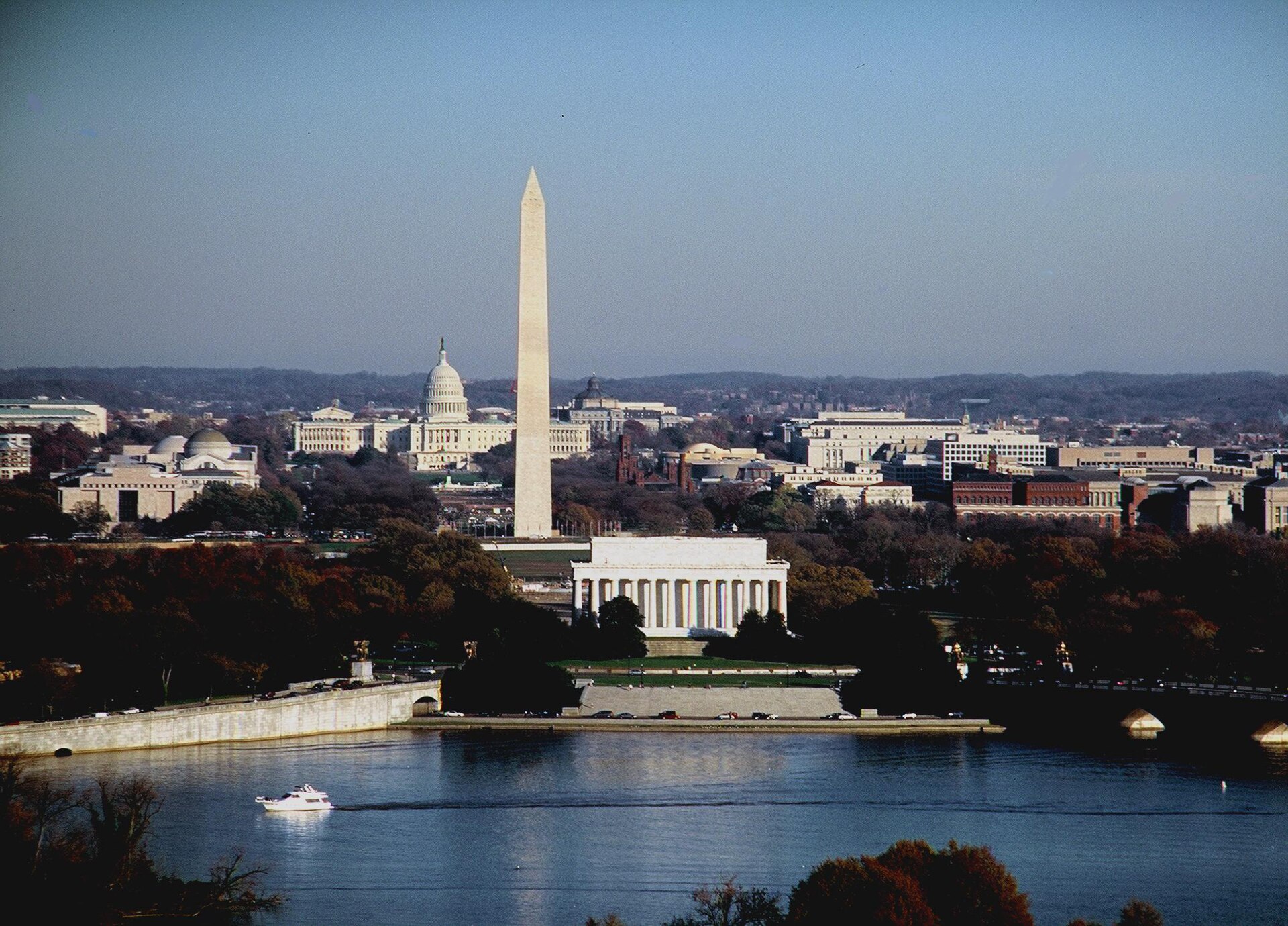
Federal funding cuts and mass layoffs struck Washington hard. Last spring, Mayor Muriel Bowser faced a looming $1.1 billion budget freeze and thousands of recently unemployed federal workers. She needed a secret weapon strong enough to save the District.
Surrounded by policymakers, local leaders, and community advocates, Bowser unleashed her secret weapon last May: the 2026 Grow DC budget. Grow DC named economic growth as its top priority. In addition to education, housing, and infrastructure investments, the plan aimed to avoid tax increases. Bowser said officials designated funding for local programs based on their potential to stimulate economic growth and job creation.
“Does this investment keep people and families in D.C. and attract new residents?” she asked. “Does it create economic activity to fund city services and programs? And does it attract new businesses and create new jobs for D.C. residents? If the answer to those questions is ‘no,’ that’s something we look very hard at.”
After months of evaluation, the budget left clean energy and conservation programs with $3.4 million less compared to the previous year. The 24% cut to the Department of Energy and the Environment’s budget gutted programs like the Anacostia River Cleanup Fund and the Lead Poisoning Prevention Fund, among other things.
Environmental activist and A.N.C. representative Eliza Cava is no stranger to the struggle between investing in the economy and investing in the environment. As a conservationist, Cava has worked in environmental education and environmental policy for over two decades, but as a community leader, she also responds to constituent feedback, listening to what environmental protection means, or doesn’t mean, to locals.
Cava spoke on how budget cuts are impacting local conservation projects and provided a glimpse into Washingtonians’ and climate advocates’ attitudes about the future of conservation in the District.
The interview below has been edited for length and clarity.
Ann Duan: Last year, Mayor Bowser decided to cut the of Energy and Environment’s budget by $3.4 million, and this is affecting programs like the Anacostia River Cleanup Fund and the Lead Poisoning Prevention Fund. What are Washington conservationists’ biggest concerns when it comes to wildlife, conservation and what these cuts mean?
Eliza Cava: Some of the programs that were really badly impacted were something called the Sustainable Energy Trust Fund, which is supposed to weatherize and electrify homes and is paid for by fees on people’s electric bills. The mayor has the budgetary authority. She drained the Sustainable Energy Trust Fund to fill other budget priorities, and that’s breaking a promise that the council made to the people.
I think that you can tell from the cuts how low of a priority the environment is to Mayor Bowser, specifically because of what a disproportionate cut D.O.E.E. was asked to take by comparison to other agencies.
AD: An official statement released by the mayor last year said that the district expects around one billion dollars of revenue losses over the next four years. The Washington Post reported that the D.C. area has lost 72,000 jobs under Trump. As people are concerned about job losses and the economy, why should conservation still be a priority?
EC: Because we’ll still be here after this administration, right?
We can feel how much hotter the summers are. We can feel how weird this snow creep is.
AD: I wanted to bring it back to Mayor Bowser. She said, “My vision is to make the District of Columbia the healthiest, greenest, most livable city for all District residents.” Considering everything that’s happened with budget cuts, can you tell me about how people are reacting to her environmental policies?
EC: I think in D.C., there is a small sliver of highly engaged environmental voters, but the majority don’t really care if she has or has not kept that promise.
For example, people who use the Metro really care about the buses being on time and being affordable, and that’s a very important issue to them because they need to get to work. They don’t necessarily think about that in the context of Mayor Bowser’s environmental commitments.
You need to prioritize the way systems impact people’s lives and pocketbooks day to day because people care first and foremost about livability.
AD: So what have environmental organizations, advocates and residents done to make people aware of the budget cuts’ environmental impacts?
EC: I think a really important one is the Healthy Homes campaign. It helps people fix their heating systems and electrify them.
This is one that the Sierra Club has been the leader on but has a really strong partnership from Washington Interfaith Network.
I think it’s really important to talk about it as a housing stability program, and reaching people through faith communities in Wards Five, Seven and Eight through the Washington Interfaith Network has been super powerful– to have people come and say, my story is my family lost our house because our gas heating system broke, and we didn’t have the cash to fix it, and these predatory flippers came along and offered to buy it from us, and that was the only option we had. To be able to then say, we are able to keep our house this year because we got money through the Healthy Homes Act and the Sustainable Energy Trust Fund to fix and electrify our heating system.
AD: Just for some closing thoughts, can you describe for me what the energy is like in the conservation landscape right now? Are people hopeful or are they disheartened by what’s going on? A mix of both?
EC: A mix of both.
I mean, it’s a real bummer what’s happened at the federal level. In some ways, it sort of feels overshadowed by what’s happened on immigration and education and so many things.
On the other hand, the local organizing that we can do helps. People are not only not giving up locally, they’re turning more attention to organizing locally. I think our Green Day of Action and the pressure we put on the mayor last year really, really helped to reverse some of the budget cuts.
And the Sierra Club has seen membership grow locally. People want to get involved where they feel like they can do something, versus where they feel like they have no ability to influence things at the federal level.
AD: Is there anything you’d like to expand on when it comes to conservation and what’s going on at the local level?
EC: A big bright spot has been the cleanup of the Anacostia River. That’s taken decades, and a big part of it has been fixing the stormwater runoff system, so we no longer have sewage going straight into the Anacostia.
We’ve seen a lot more wildlife return to the Anacostia River. You wouldn’t believe what it was like before. It’s astonishing to people who remember what it was like in the ‘70s and ‘80s to see how many eagles it has now and how many fish and things like that, so there are real opportunities that we have taken and can keep taking.
AD: I got a clearer picture of what conservation has been looking like for D.C. residents, so I really appreciate you bringing your expertise to this conversation. Thank you so much, Eliza.

Planet Forward Editorial Assistant | George Washington University

Editorial Staff


Smith College
A project of

in collaboration with