
 All Topics









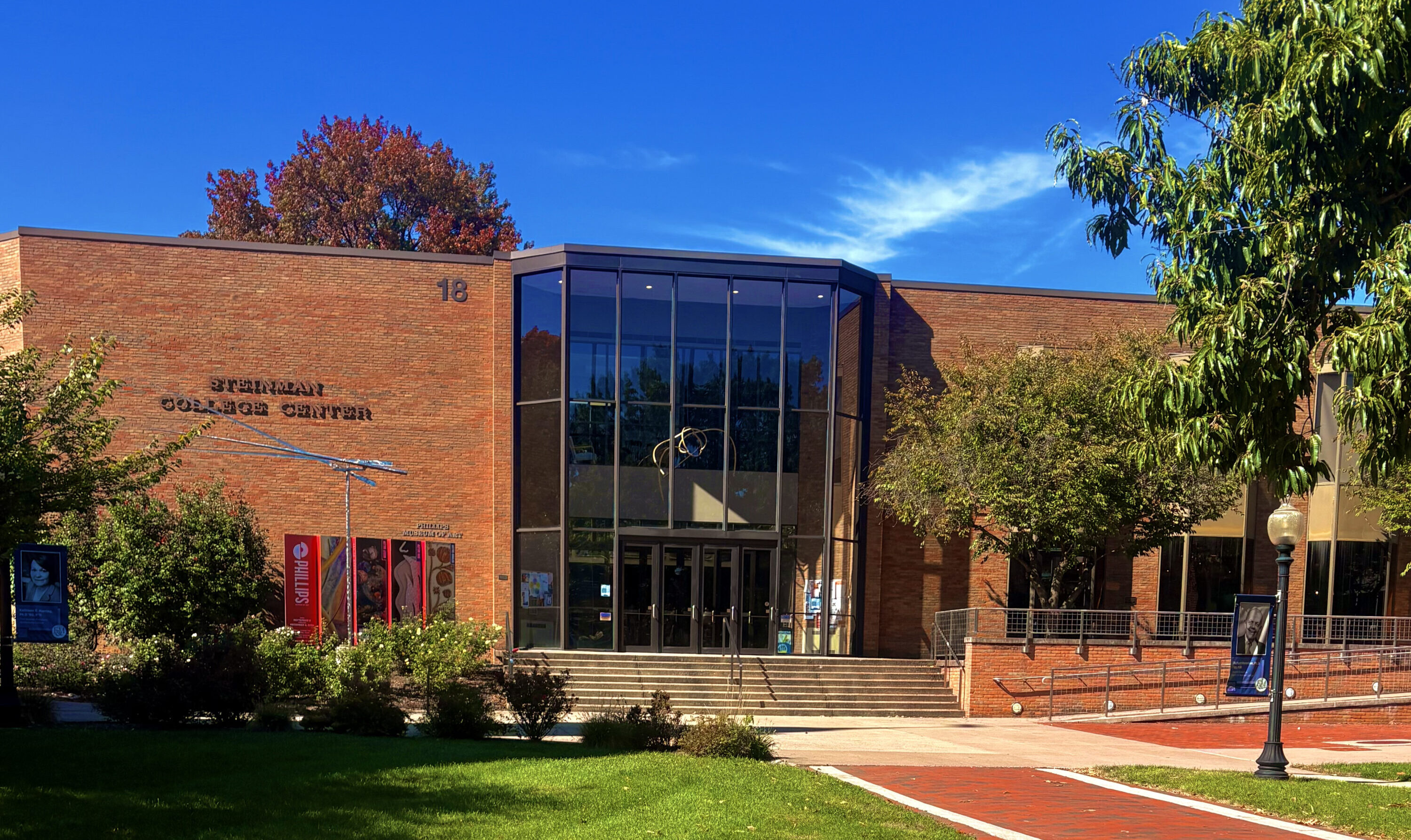
Franklin and Marshall's Steinman College Center Campus.
Photo by Rihanna Bryce

Rihanna Bryce
Planet Forward Correspondent | Franklin & Marshall College
November 20, 2026
Photo by Rihanna Bryce
Planet Forward Correspondent | Franklin & Marshall College
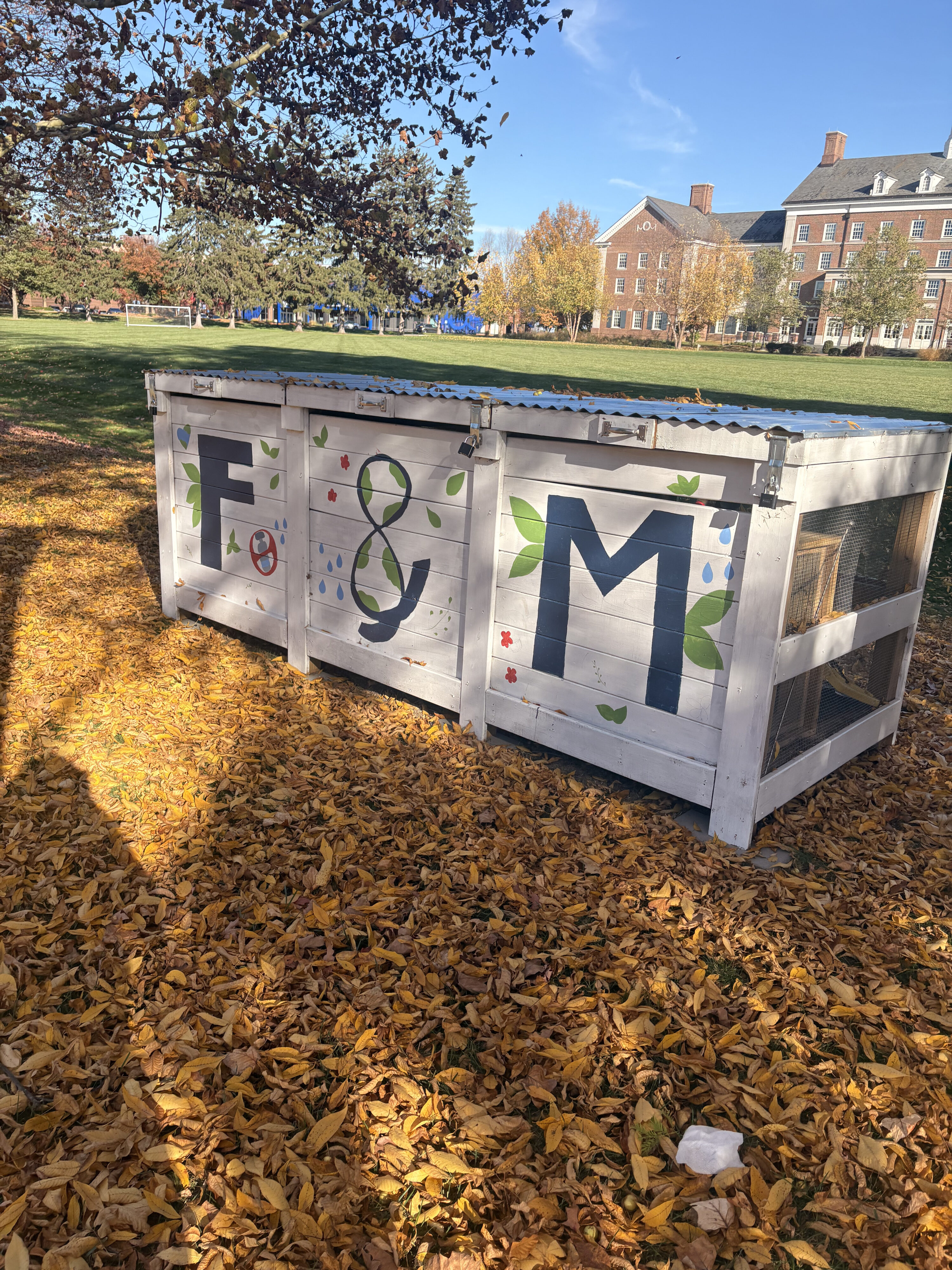
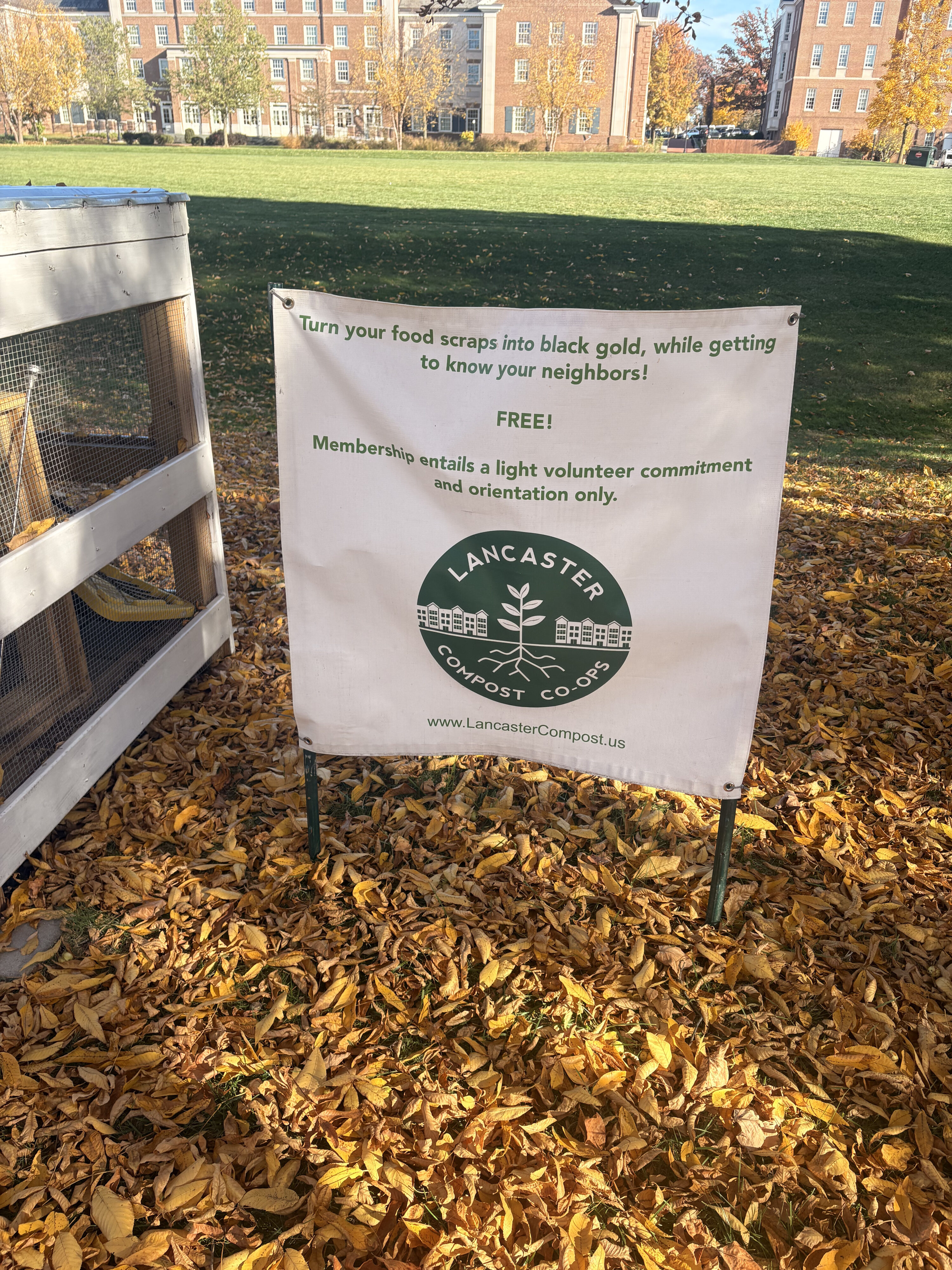
“One day [of dining hall food waste] would fill up the entirety of that [compost] bin,” said Nicholas Auwaerter, the director of Franklin & Marshall College’s Center for the Sustainability Environment. He explained that the college’s small compost bin (3.5 ft by 3.5 ft) that cannot accommodate all of the discarded food leaving its dining hall.
The bin, maintained through a partnership with the Lancaster Compost Co-op, serves the students and community members who opt to compost their food scraps. However, the volume of waste from the dining hall is a different story.
F&M’s challenge raises an important question: What happens to the food left behind by students, and what factors determine what colleges can do with that waste?
From food donations to composting to the trash, following the journey of uneaten food begins to reveal why reducing waste on college campuses takes more than just goodwill.
For students, a meal at Franklin & Marshall College can end when they scrape their food into the garbage, return their plate, and head to their next class. But once their trays are cleared, the food’s journey has just begun.
Producing food requires land, energy, and labor. Half of the world’s habitable land and 70% of the global freshwater withdrawals are being used for agriculture. The food also must be processed before reaching the dining hall, with 20% of all CO2 emissions globally generated from food miles to transport the food to our tables. When a meal goes uneaten, the resources used to produce it do not disappear with it. Today’s food supply accounts for 26% of global greenhouse gas emissions into the atmosphere.
According to the U.S. Environmental Protection Agency (EPA), more than one-third of food produced in the United States is not eaten. In analyzing the ways to manage food waste, the EPA evaluated 11 ways to manage food waste, including donating, composting, incineration, upcycling, and landfill. It found that preventing food waste in the first place offers more substantial environmental benefits than choosing from the various disposal methods.
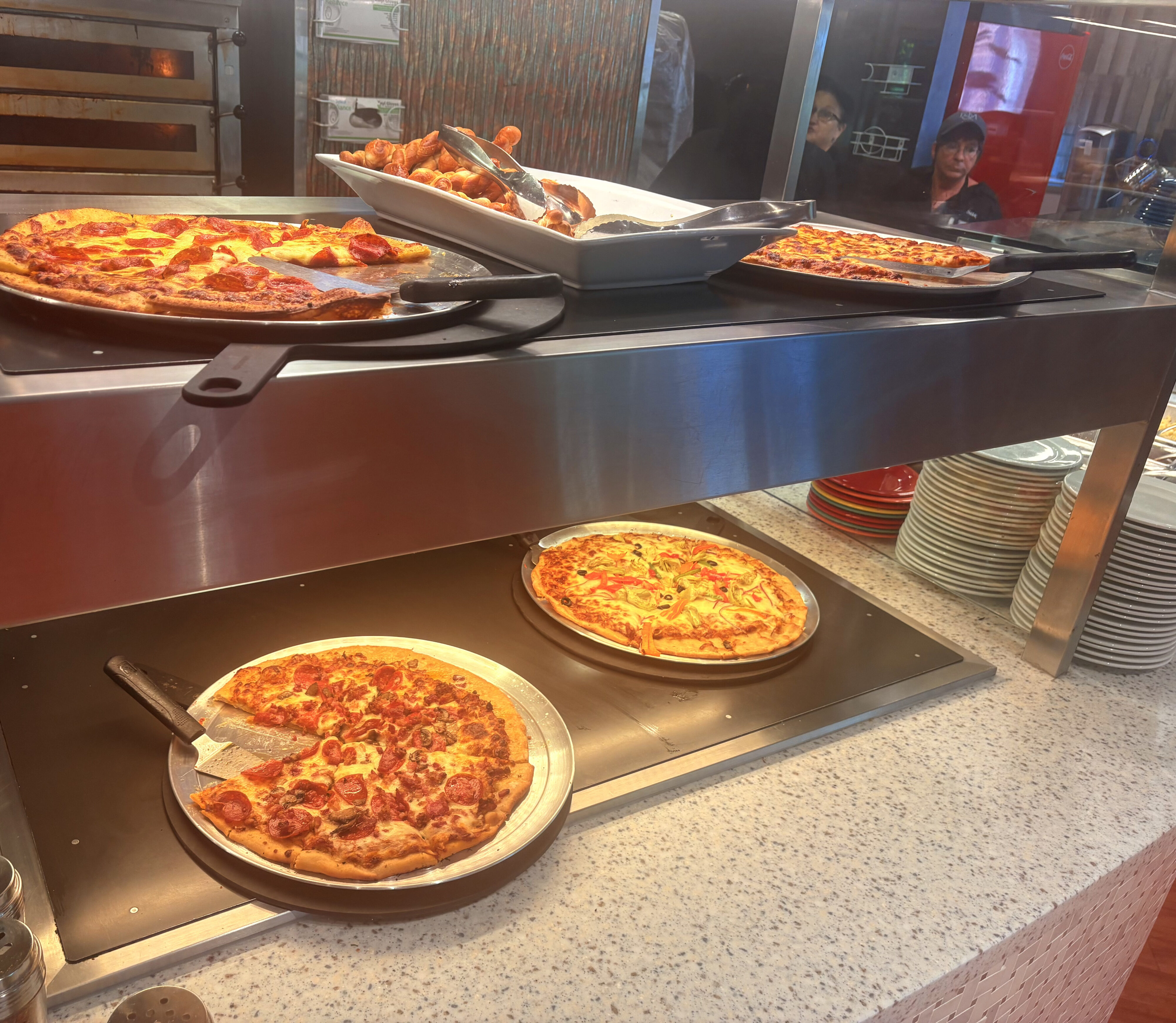
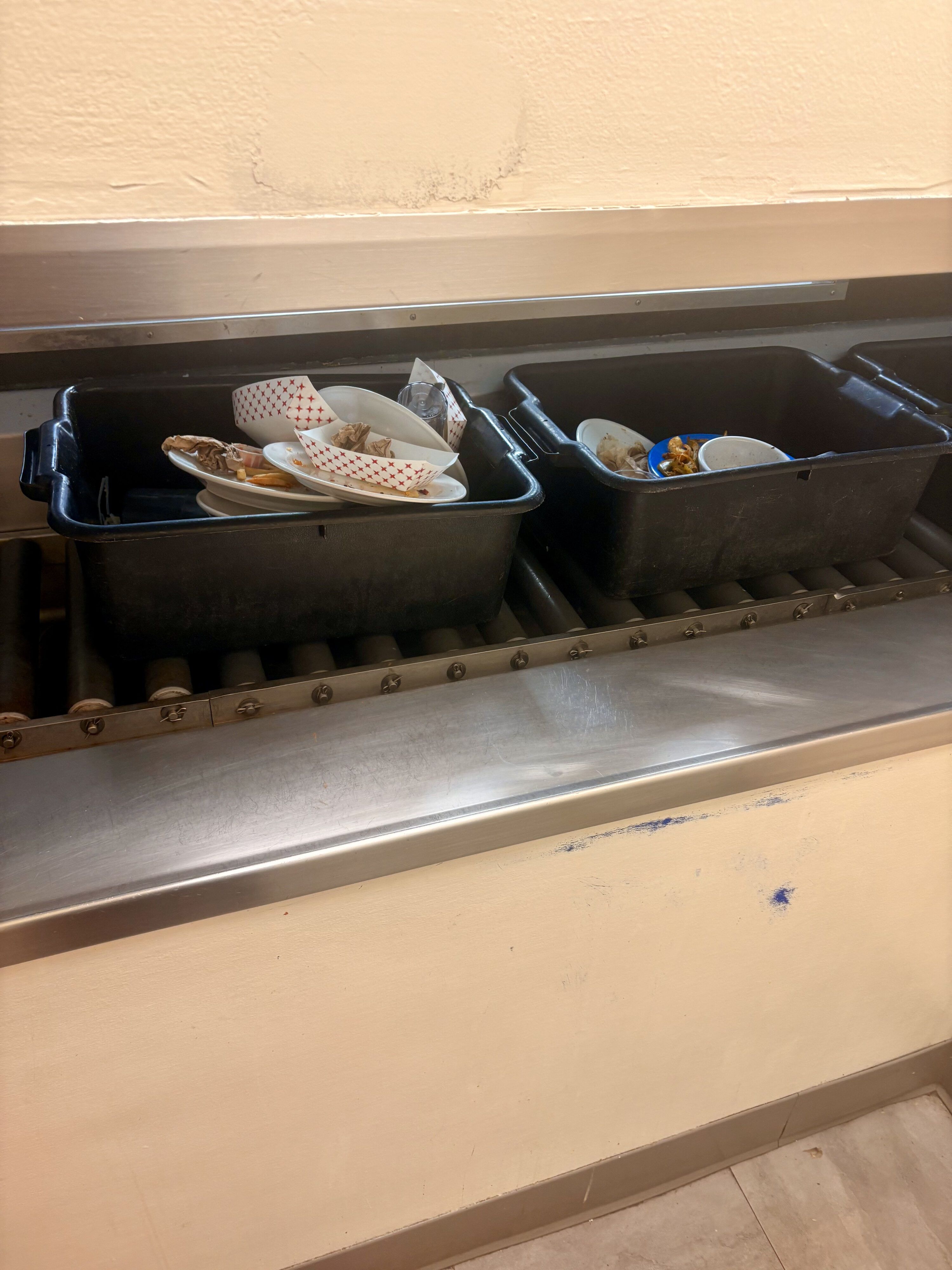
F&M’s dining hall food scraps currently go into the general waste stream with other trash, rather than being composted. Since the food scraps are mixed in with the other waste, the college is unable to determine how much of that total is food waste.
Why isn’t the solution just donating or composting food? Donating leftover food and composting scraps might seem like a straightforward way to reduce waste. However, at F&M, both options have their practical limitations.
Donations can help get usable food to people who need it, but it still creates a challenge. The food that cannot be donated needs somewhere to go, and F&M currently lacks a hauler that can transport its dining hall food waste to a composting facility.
Although F&M students are able to compost food waste, it is not done at an institutional level. F&M’s partnership with the Lancaster Co-op gives students a way to learn about composting firsthand. Students can receive training and bring their personal food scraps to the campus collection bin. However, because the compost bin is shared with the surrounding community, its limited capacity makes it difficult to rely on student composting as a solution to food waste.


Reducing food waste starts before reaching the trash. At F&M, Auwaerter encourages students to take only what they intend to eat, reminding them that they can always return for more food. Students can also save food for later instead of throwing it away.
However, individual choices are only part of the solution. F&M can take additional steps to manage food waste at the institutional level. One of the approaches would be to conduct regular food waste audits to first determine how much food is being discarded and which dining places are contributing the most waste. Having this information would allow the college to make more informed decisions on the preparation and disposal process of the food.
F&M can also explore partnerships with commercial composting facilities and other renewable waste organizations to collect food scraps from the dining areas. Rather than relying on the limited capacity of the Lancaster Co-op composting bin, a separate collection system could provide a more practical way to create a separation between dining scraps and the general waste stream.
Additionally, F&M could work with Sodexo to improve its food donation program and identify opportunities to work with other organizations like EnviroFeeds, which uses food byproducts from manufacturers to create feed for their animals. This process ensures that food that may no longer be suitable for human consumption can still be repurposed beyond its expiration date.
Ultimately, reducing food waste requires more than just an individual. It requires both the institution’s and the students’ efforts to create change that can inspire others. Students can make more thoughtful choices in the dining hall, but colleges also have a responsibility to create systems that make reducing and managing food waste possible. Doing so, we can drive change and inspire other institutions to adopt a waste-conscious plan; in doing so, we can allow our planet to keep moving forward.

Planet Forward Correspondent | The New School

Planet Forward Correspondent | University of Georgia

Planet Forward Correspondent | University of Michigan
A project of

in collaboration with