
 All Topics










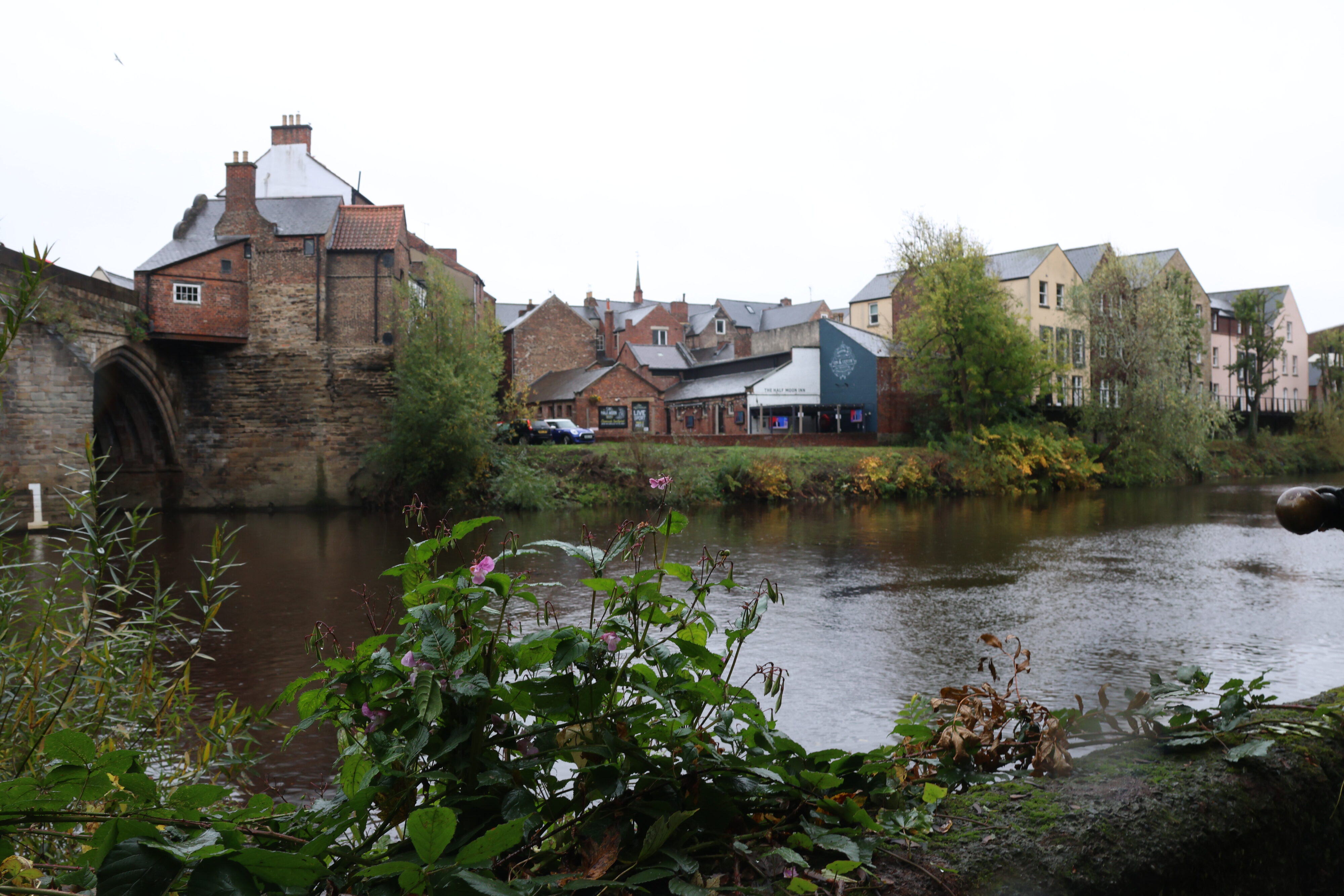
The Elvet Bridge over the River Wear in Durham, England, where the Urban Heat Island Effect is changing weather patterns.
Jey Draper

Jey Draper
Planet Forward Correspondent | Teesside University
November 10, 2026
Jey Draper
Planet Forward Correspondent | Teesside University
In a recent Ordnance survey analysis, Durham — a city in northeastern England located approximately 150 kilometers from Manchester — was ranked third in the UK for its natural cooling capacity. This finding illustrates the city’s resilience to a concept known as the urban heat island effect, where built-up metropolitan areas are significantly warmer than surrounding countryside regions.
Intrigued, I visited Durham and its surrounding communities to investigate the reasons behind its high ranking and whether natural cooling capacity translates into real protection for local residents. In this multimedia essay, I spoke to experts in sustainability, climatology, and energy efficiency to better understand the ways in which climate change is expected to intensify urban heating, and how Durham, like all U.K. cities, can prepare for the hotter summers ahead.
Click below to read the full story.
A project of

in collaboration with