 All Topics










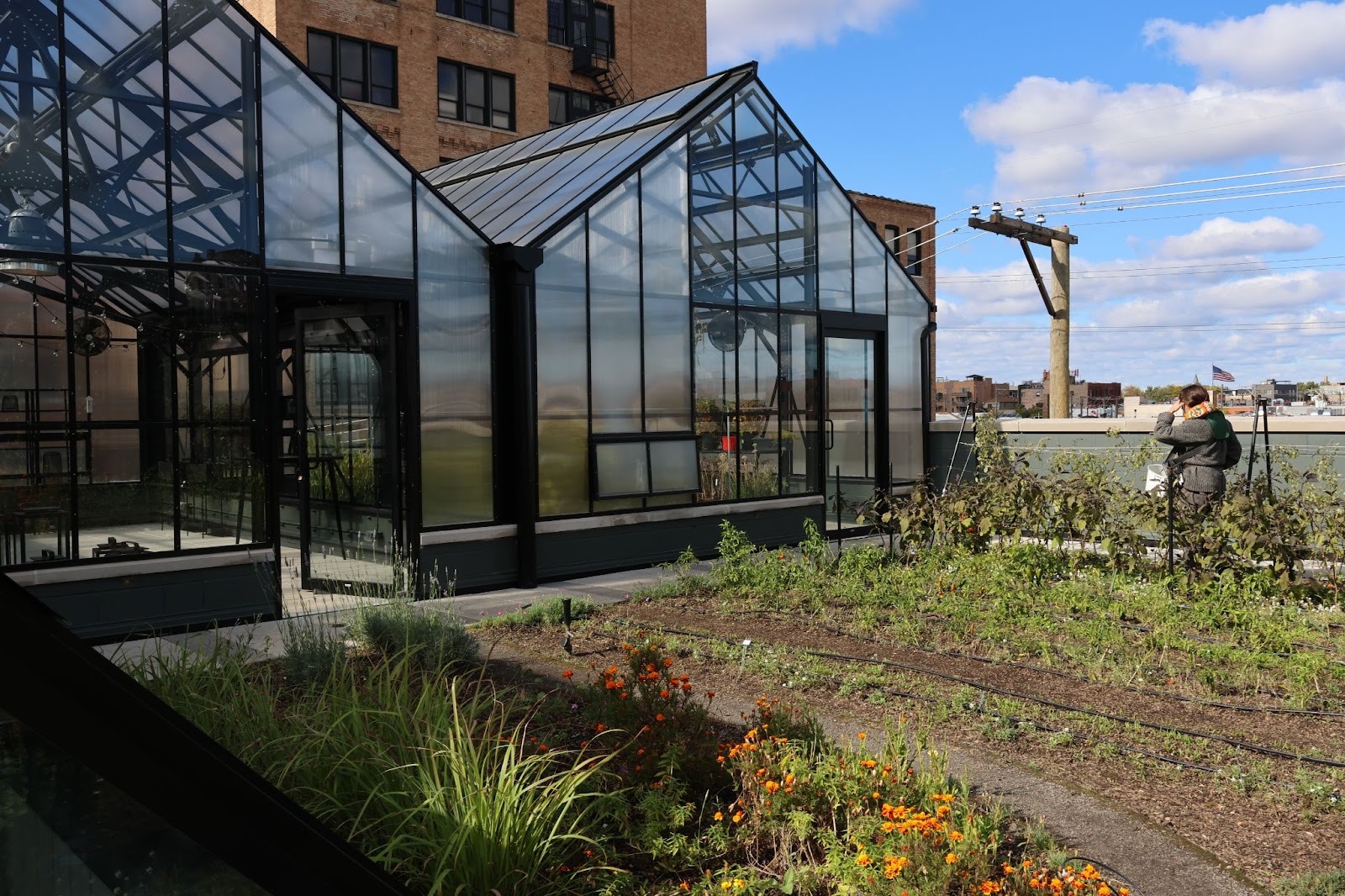
A gardener harvests produce at the home base for The Roof Crop’s farming initiatives near center-city Chicago. The farm yields a variety of crops and includes three greenhouses.
Megan Fahrney/Medill

December 08, 2025
Megan Fahrney/Medill
By Megan Fahmey
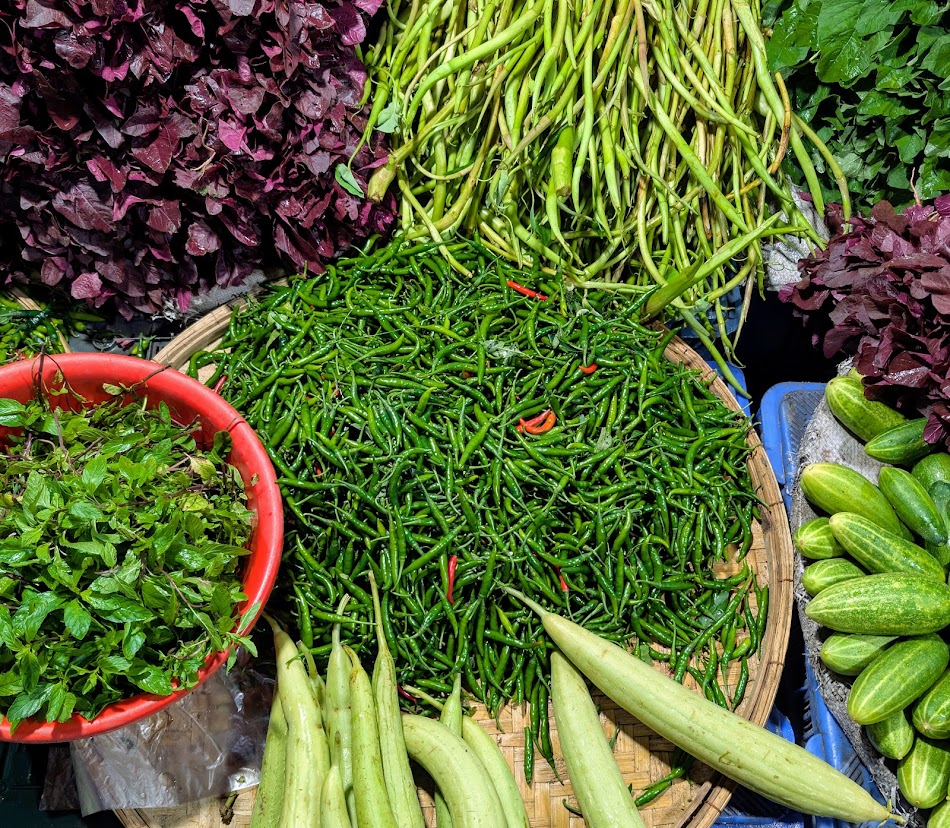
Tulsi basil, “Wizard of Oz” dahlias, cherry tomatoes, Antoinette tulips, “Jessica’s sweet pear” mint – the list goes on. The Roof Crop urban agriculture initiative supports farms yielding a vast range of eclectic flowers, produce, and apothecary crop varieties across Chicago.
The Roof Crop promotes sustainability, ecological engagement, and community development through its support of 14 rooftop farms across the Chicagoland area.
“The goal of sustainability and increasing green spaces in Chicago and using those spaces in productive ways means a lot to me,” said Elise Anhorn, operations manager of The Roof Crop.
At The Roof Crop’s home base in Chicago’s West Side, several independent enterprises work in tandem under the same roof. The ground floor houses the restaurant Maxwells Trading, Third Season, an apothecary and design studio, and a coffee shop. Flashpoint Innovation, a food and beverage consulting firm, occupies the second floor. And on the roof you will find The Roof Crop’s green roof featuring two greenhouses and a small event space.
The Roof Crop launched in 2013. It began as a marketing initiative and evolved into a partnership with a company that installs green roofs, according to Anhorn.
Anhorn said the company began with the question: “How can we market more installations through this lens of [roofs] being growing space?”
“That kind of took off, and now it is its own stand alone company,” Anhorn said.
The green roofs The Roof Crop support serve a range of purposes. Some are urban farms yielding produce and flowers, while others are simply green spaces that contribute to natural ecosystems in Chicago.
The Roof Crop Foundation, a non-profit affiliated with The Roof Crop, manages apiaries on green roofs across the city. The apiaries serve the dual purpose of rejuvenating the region’s pollinator populations and producing honey.

The Roof Crop has helped green roof development at a variety of types of spaces throughout the city, including the McDonald’s headquarters, Google’s midwest headquarters at 1k Fulton and many residential buildings.
Third Season, which opened in 2023, hosts events and workshops and sells various apothecary and local products such as homemade soaps and honey, supporting the local sustainability needs met by rooftop gardens.
Mickey Cao, design and store manager at Third Season, said the organization recently hosted a Midwestern minimalist design workshop that promoted the beauty and simplicity of nature. It has run a Monsoon Pottery workshop with a local artisan as well, as it aims to involve local artists from the community in its work.
“I think it’s been really positive to have a space in a fairly industrial area where people can come and have community and learn and do creative things together,” Cao said.
Third Season also hosts sustainable farming programs for Chicagoland teens and young people, according to Cao.
Anhorn said a goal of the organization is to educate urban farmers.
“The end goal isn’t to farm on every green roof around the city, but to make green roof farming more accessible and possible and to share what we’ve learned along the way,” Anhorn said.

Brigham Young University
A project of

in collaboration with