

 All Topics






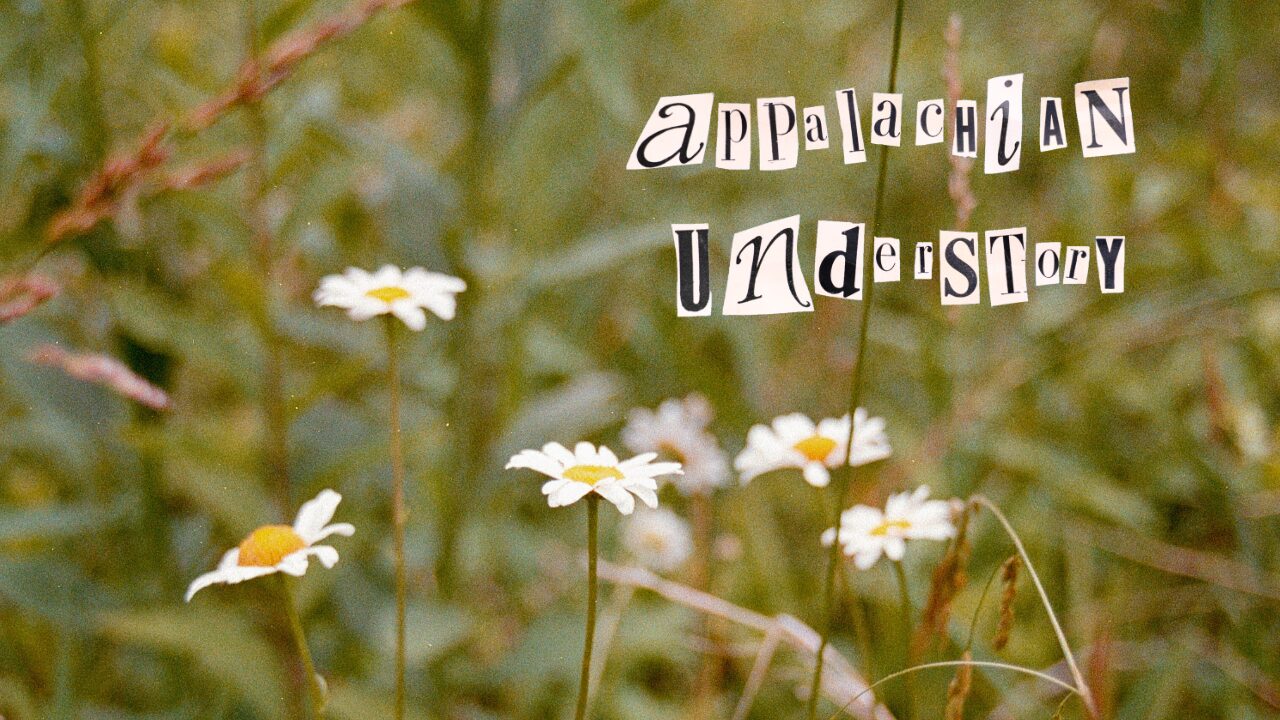
Appalachian Understory is a short documentary demonstrating how the power of music and community can help overcome eco-grief.
Courtesy of Katherine Gunning
February 12, 2026
Courtesy of Katherine Gunning
When Hurricane Helene struck western North Carolina on September 24th, 2024, I was across the country, beginning my graduate degree in Portland, Oregon. I remember my mom sending me a text, asking if my friends were okay in the storm. At first, I dismissed her message. Hurricanes didn’t come to that part of the country.
However, when I got home that night, I began scrolling through the news and my social media feed in wide-eyed disbelief. Not only had the storm come to my mountain community, but my screen was full of massive downed trees blocking roads, countless collapsed bridges, people stuck in their hollers without power or water, and even whole houses being carried off by the raging rivers.
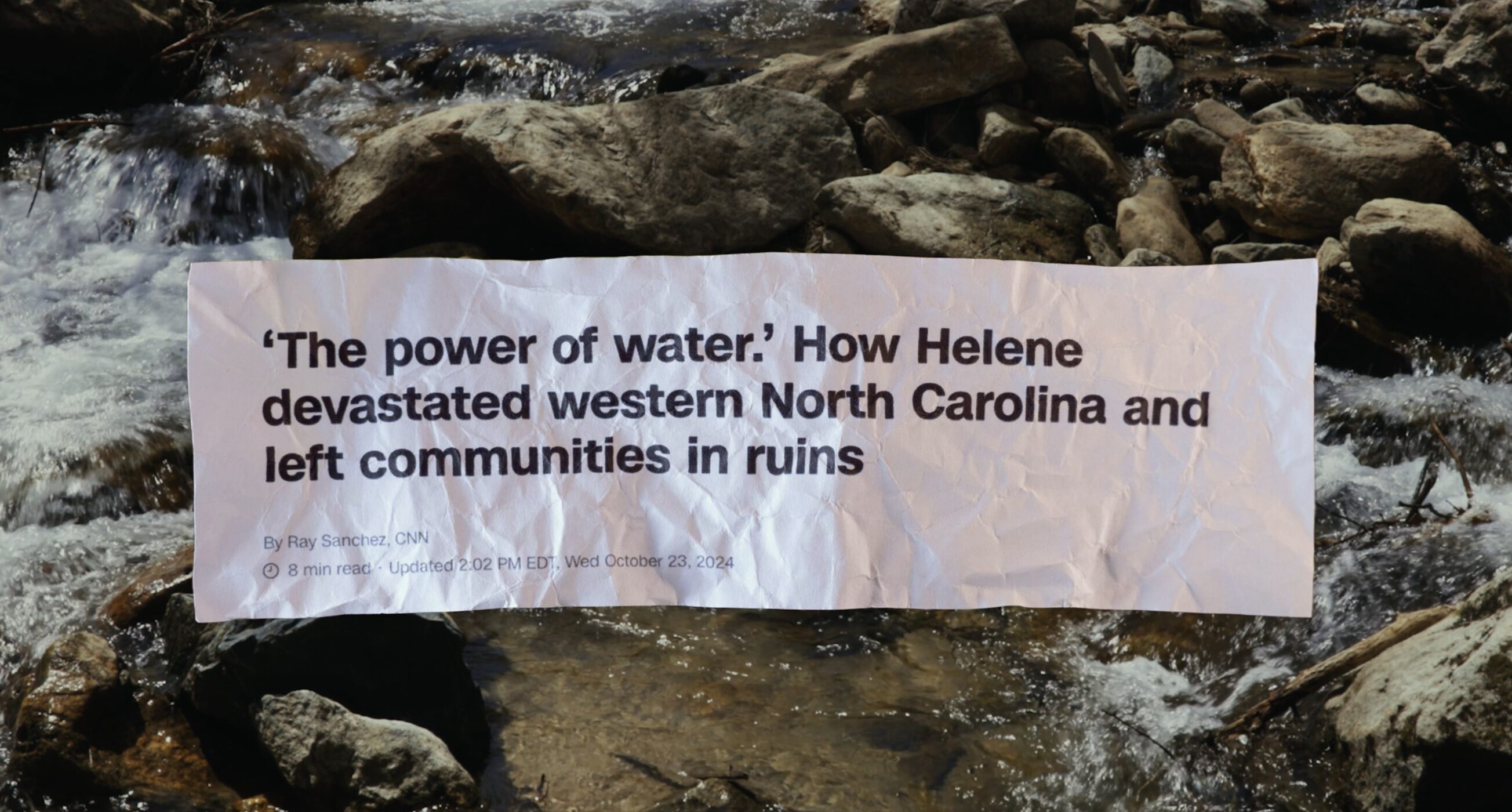
I went into emergency mode as I tried to support my friends from afar through raising awareness and funds, while also processing that the landscape I loved was forever changed. As the news briefly focused on the $50 billion in damages from the storm, many of us close to the community were also grieving the trees that would take generations to grow back, and our beloved creek beds suffocated by mud and debris. I felt lonely in that grief, and realized this emotional connection to the land and the loss of its vitality in climate collapse is often missing from our climate conversations.
Appalachian Understory grew from that loss. As I researched the region’s history, I discovered Helene wasn’t an isolated event; it was the latest wound in a long pattern of land trauma. From excessive logging in the early 1900’s to exploitative coal mining through the 1970’s, people have been extracting as much as they can from the lush Appalachian landscape for many years. In turn, those practices have led to widespread destruction of the resource-rich understory of mountain forests, displaced wildlife, polluted water sources, and less protection from floods due to the loss of old-growth forests. Climate change didn’t create this cycle of exploitation and disaster, but intensified an existing pattern, leaving these communities tired.
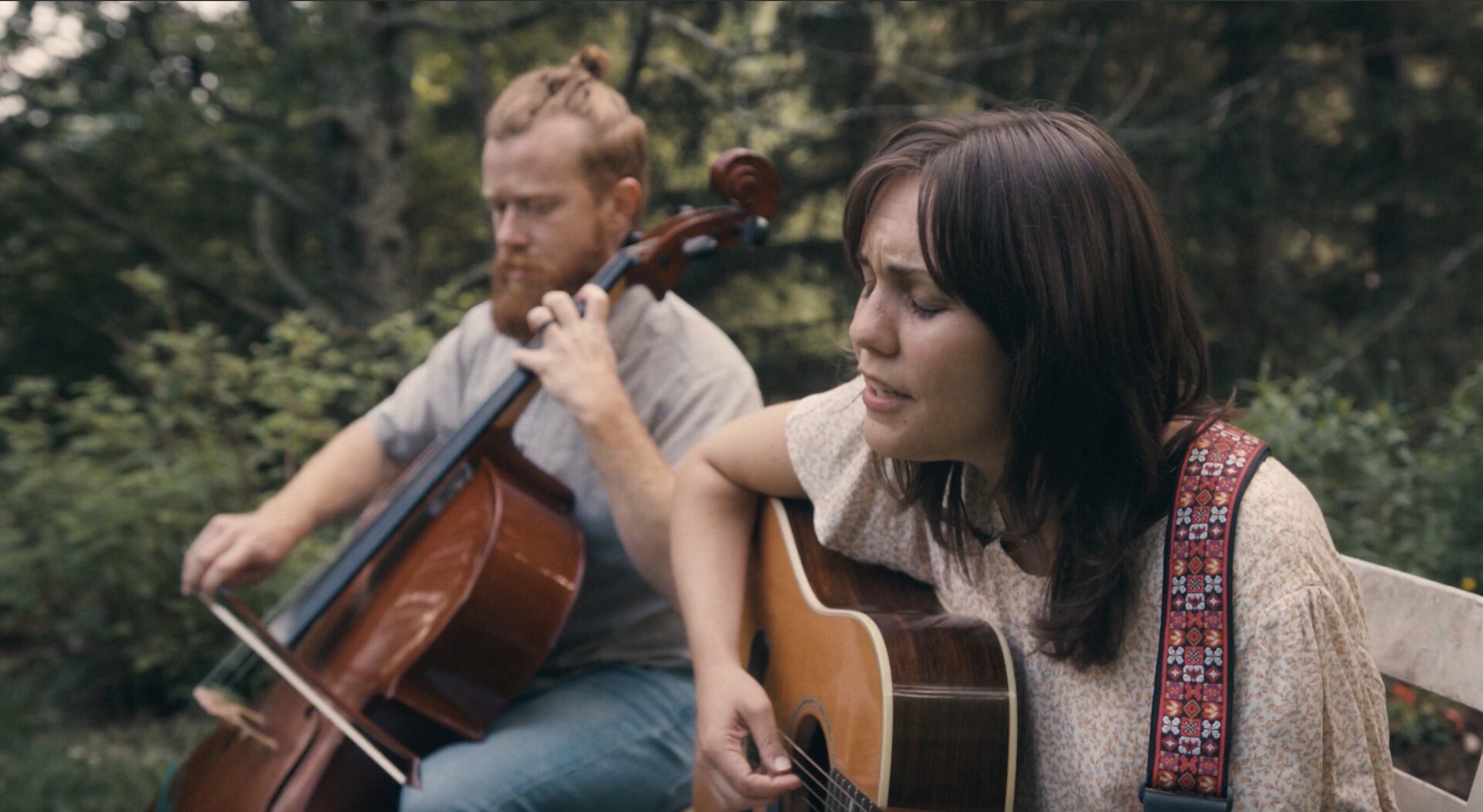
“Appalachians are so resilient. They’re so resourceful. They’re so gritty… and I just wish we didn’t have to be.” Amanda Held Opelt, the primary storyteller in Appalachian Understory with far-reaching Southern Appalachian roots, names the exhaustion that many people from this region feel. Her family has been in Appalachia for hundreds of years, and her great-grandmother came from a coal-mining family, losing a brother to the mines.
As she uncovered Appalachian history in tandem with her own family story, she describes feeling “grief in my body that had maybe been in my DNA all along.” In creating Appalachian Understory, I hoped to witness and honor that deep, generational, communal sadness. Climate disasters not only impact infrastructure, but they also impact our relationships with the land. The places we have gone to for peace become dangerous and rageful. Part of being climate resilient is making space for that trauma and working through it, so that we can continue to pursue healing with hope.

Blending Amanda’s original music, archival materials, and an intimate interview, Appalachian Understory creates space for grief while exploring how we reconnect with an ecology that has brought us pain. This emotional work is not only for those impacted by Hurricane Helene–as the climate crisis continues to advance, this is an emotional journey many more communities will have to make. Appalachians have had to do this for generations, and are teaching us what resilience looks like as we all navigate this new reality.

Brigham Young University

Planet Forward Correspondent | Rutgers University
Brown University / Middlebury School of the Environment
A project of

in collaboration with