
 All Topics










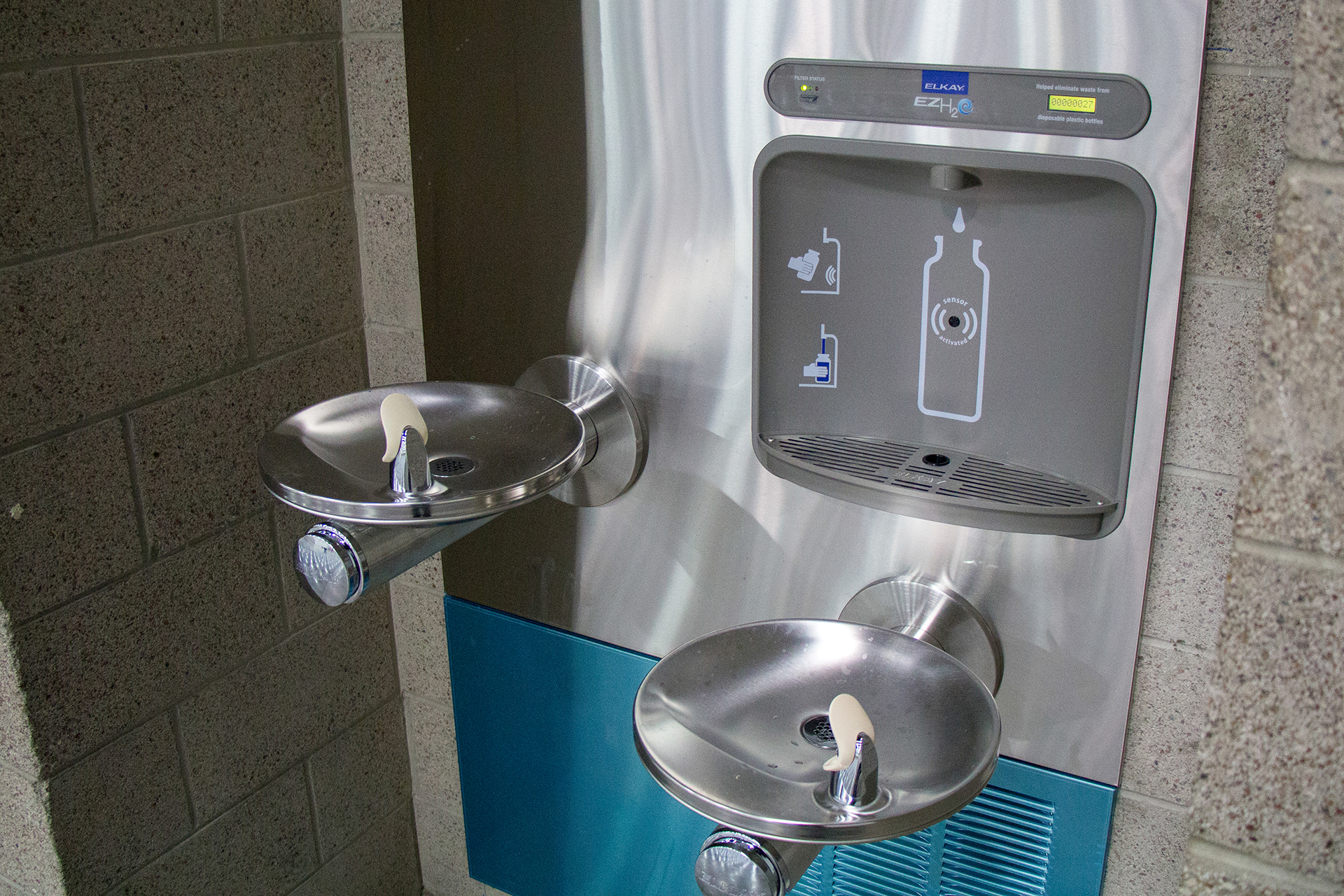
Water fountains and bottle refilling stations are a common sight now, but what safety measures are in place to ensure that water is safe?
Photo by Jeremy Jeziorski for Oregon Convention Center / CC BY 2.0-2
March 02, 2026
Photo by Jeremy Jeziorski for Oregon Convention Center / CC BY 2.0-2

At 8:07 a.m., the hallway by our refill station becomes an assembly line of green and blue bottles. My fourth graders mash the metal lever, watch the lights flash “FILTERED,” and sprint back to homeroom before the bell. I am the media specialist at a Title I, predominantly Black elementary school in Tallahassee, where many students rely on shared public spaces such as buses, cafeterias, and fountains to get through the day. I grew up in this same neighborhood. So when I first learned about PFAS, the so called “forever chemicals,” I started paying closer attention to every sip my students took.
PFAS are synthetic compounds used to resist heat, grease, and water. They appear in products like nonstick cookware, stain resistant fabrics, food wrappers, and firefighting foam. Their carbon fluorine bond is so strong that these chemicals persist in soil, water, and human bodies. Research links PFAS exposure to higher cholesterol levels, changes in liver enzymes, reduced immune response to vaccines, pregnancy related hypertension, small decreases in birth weight, and certain cancers, with children particularly vulnerable as their immune systems develop.
In 2024, the United States Environmental Protection Agency introduced the first nationwide drinking water standards for six PFAS. The Maximum Contaminant Levels set PFOA and PFOS at 4 parts per trillion, and PFHxS, PFNA, and GenX at 10 parts per trillion, along with a hazard index for mixtures of several compounds. These rules are expected to protect millions of Americans by requiring public water systems to test for PFAS, notify customers, and install treatment if limits are exceeded.
These regulatory steps matter because PFAS can move through groundwater and distribution systems. Contamination that begins near a manufacturing plant, airport, or military base may eventually enter municipal drinking water supplies. Communities with limited financial resources, often communities of color like the one surrounding my school, may face the greatest challenges securing testing, filtration upgrades, and clear public information. PFAS contamination is not only a pollution issue, but an environmental justice concern.
Firefighters know this firsthand. For decades, many were exposed to PFAS through aqueous film forming foam used for fuel fires, as well as through everyday turnout gear. Studies have shown that firefighters frequently have elevated PFAS levels in their blood and may face increased cancer risks. Training facilities and emergency responses can also leave residues that migrate into the surrounding environment over time.
Across the country, public utilities have taken manufacturers to federal court and won. One of the largest environmental settlements in United States history was finalized in 2024, when 3M agreed to pay approximately $10.3 billion over 13 years to help public water systems address PFAS contamination. These funds may help water providers adopt Environmental Protection Agency recognized treatment technologies such as granular activated carbon, ion exchange systems, and high pressure membranes like reverse osmosis and nanofiltration.
Inside my school, those national developments translate into everyday questions from children. What does filtered mean? Is it safe? Do we need this at home? Household level filtration can help, but cost, maintenance, and quality vary widely. This can create another burden for lower income families already stretched thin.
This is why the work happening behind our walls matters just as much as federal rulemaking. When I asked our school’s facilities lead about his approach to water safety, he told me: “Our goal is to make sure students and staff have access to clean, reliable drinking water every day. Regular maintenance and the use of filtered refill stations are important steps we take to support a safe learning environment and reduce potential exposure to contaminants that may be present in municipal systems.”
His words reflect what environmental justice looks like in practice. Care, consistency, and communication are especially important in schools serving marginalized communities.
So what does progress look like? It begins with transparent local testing, where utilities provide PFAS results in clear, accessible language and formats. It means using settlement dollars wisely, allowing utilities to expand treatment technologies without shifting the cost entirely onto customers. It includes school level safeguards such as maintaining certified filters on refill stations and publicly posting replacement logs to reassure families. It also means supporting fire departments transitioning away from PFAS based foams and updating protocols to reduce occupational exposure.
On Fridays, after our last class checks out their books, I watch the refill station fall quiet. The green lights still glow “FILTERED.” My hope is that lights like these will not need to do the heavy lifting. The systems behind the wall, from treatment plants to federal standards, should carry that responsibility equitably. PFAS reminds us that safe drinking water should never depend on where you live, what you earn, or the job you hold. It should be a guarantee, especially for the children who sprint past my desk with water bottles outstretched.

Planet Forward Chautauqua Fellow | George Washington University

Planet Forward Chautauqua Fellow | University of Connecticut

Program Coordinator | Planet Forward

New York University
A project of

in collaboration with