
 All Topics









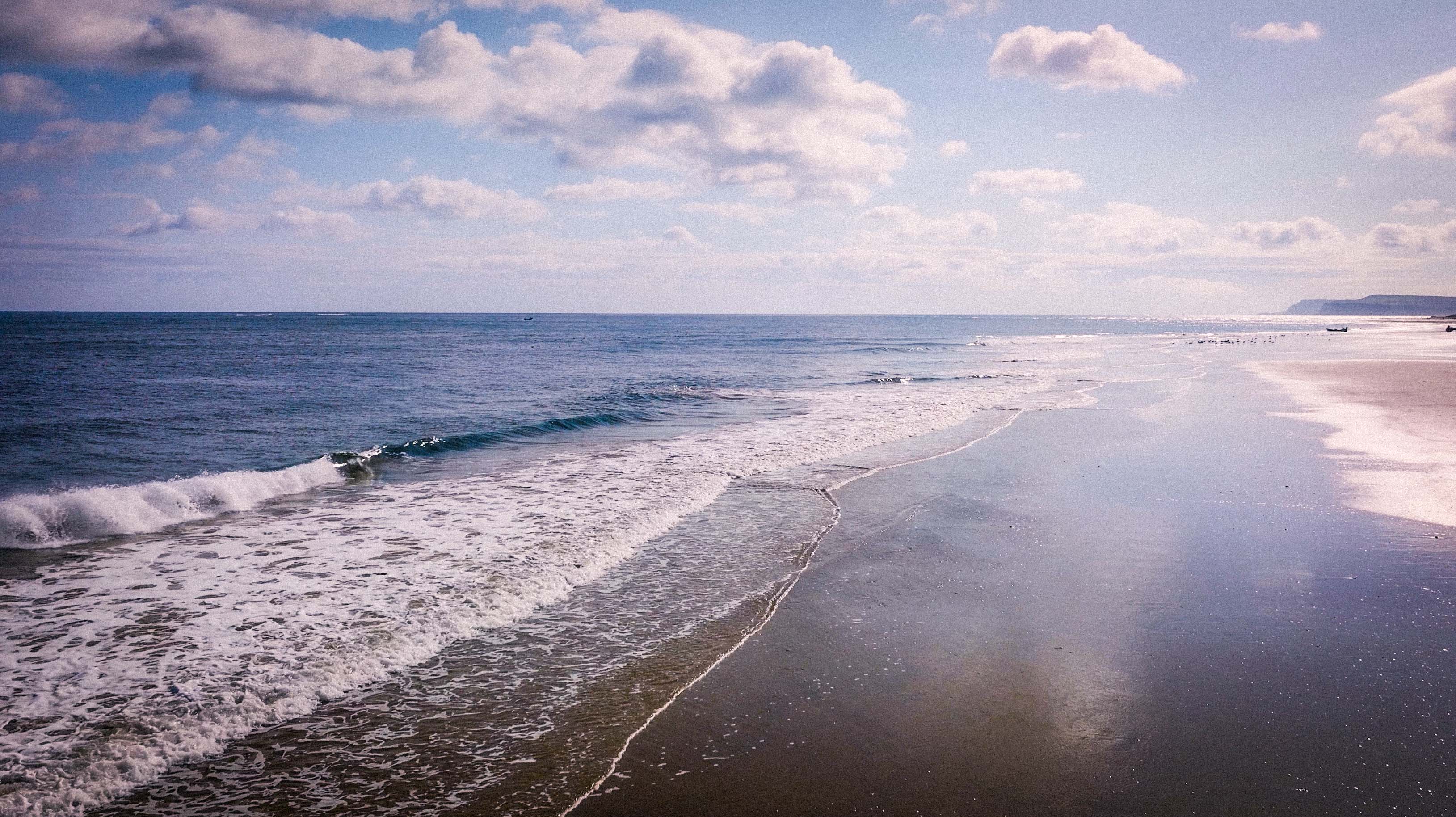
Waves on an empty beach
C. Austen
February 27, 2026
C. Austen
“When climate change is framed as an encroaching disaster that can only be addressed by loss, cost, and sacrifice, it creates a wish to avoid the topic.”
– Per Espen Stoknes, Psychologist.
In the summer of 2024, in a small South Florida coastal town, 44-year-old teacher and mother of two, Allison Mendez, attended her first community writers workshop. On her arrival, Mendez was greeted by a small group of local writers and poets, most of whom, like Mendez, were hobbyists who enjoyed writing for pleasure. At the end of the workshop, the writers were given the following assignment: Write 500 about a topic that defines you.
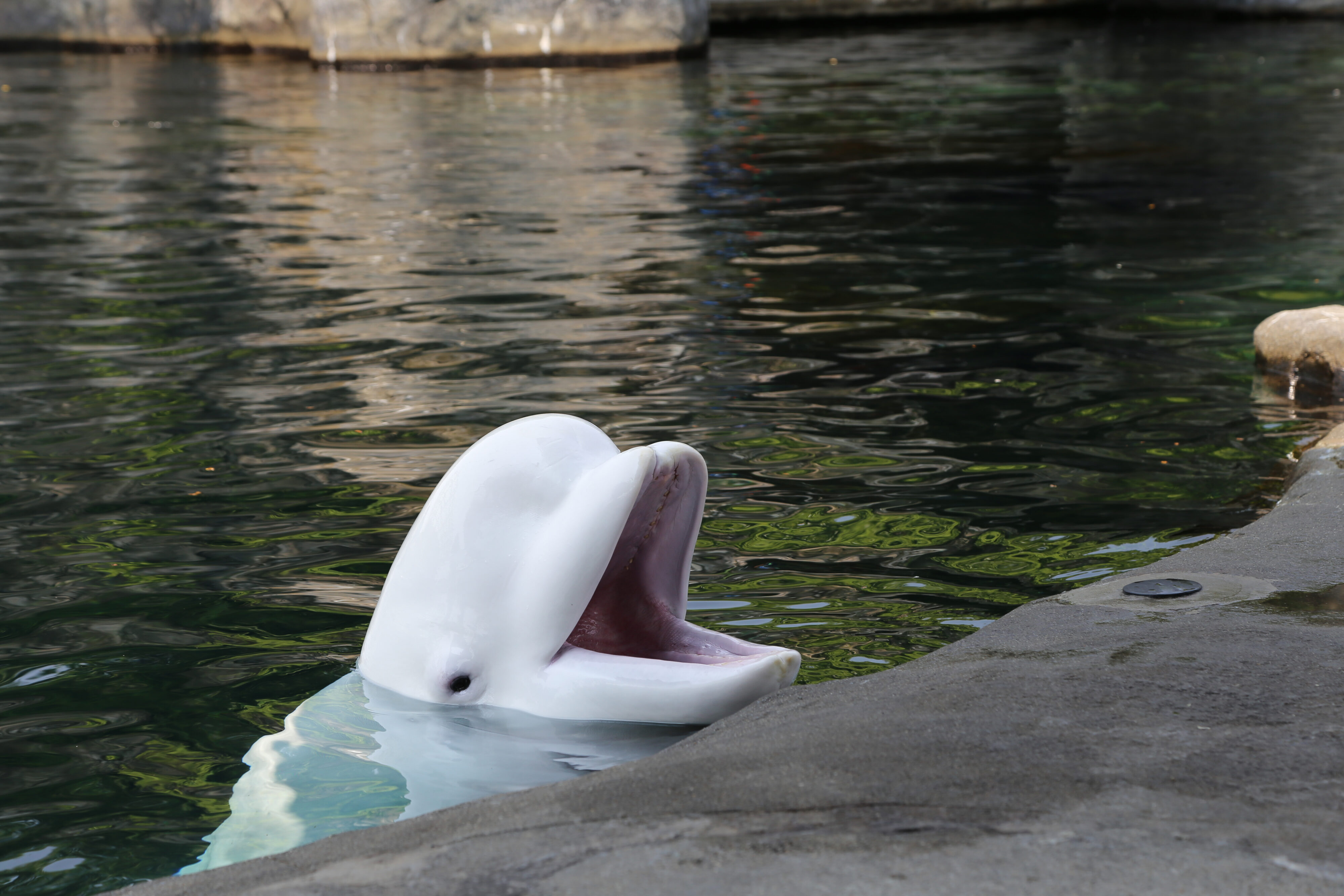
The next day, Mendez, somewhat diffidently, contemplated her many blessings: her husband, her twin boys, her home, the school where she worked, and the students whom she taught. However, she did not feel called to write about these things. She set out walking the half-mile path that led from her house to the coast, as she often does when seeking clarity. She arrived at the beach only to find the waters riddled with red tides – toxic algae blooms often triggered by rising water temperature. The sight of fish kills discarded on the sand by red-stained tides had become commonplace in recent years. In that moment, Mendez knew what she needed to write about; not a person, nor a possession, but a place. This place. The beach.
As an English teacher, Mendez held a lifelong belief in the power of literature to influence attitudes and behaviours towards climate change. The Sunshine Coast, however, is facing “particularly severe” ecological challenges, and manifestations of climate change can be witnessed daily, resulting in a growing sense of climate fatigue. Could my writing about the climate crisis contribute to this sense of overwhelm? Mendez questioned.
The term ‘climate literacy‘ is defined by the North American Association for Environmental Education (NAAEE) as ‘understanding your influence on climate and climate’s influence on you and society.’ The ‘Allianz Climate Literacy Survey 2023’ reported a significant decrease in climate literacy between 2021 and 2023, suggesting that this decline may be due to the ‘omnipresence of the topic.’ The constant (and often bleak) exposure to the climate crisis might be leading to an attitude of ‘indifference or ignorance, reducing real engagement with the issue.’
How, then, can one write about the climate crisis effectively, without contributing to this devastating trend of declining climate literacy?
‘Psychological distance’ refers to the perceived closeness of an object or event to oneself and has been identified as ‘one of the major psychological barriers and challenges confronting current climate change efforts.’ This suggests that one of the potential failings of climate literature is the ineffectiveness to instill a sufficient level of closeness, or ‘involvement’, between the reader and the subject.
It is often thought that a sense of involvement can be cultivated primarily with the use of two forms: identification and transportation – both of which are key factors that can lead to ‘changes in people’s perceptions, attitudes, and beliefs across various fields, including health, advertising, and social issues.’
The first form of involvement, identification, occurs when a reader forms a strong connection with the protagonist, allowing them to ‘adopt the perspective of the narrative character and internalise their thoughts and feelings.’ One effective tool to achieve this result is poetry. It has been said that in the face of the climate crisis, we need poetry, largely due to its ability to ‘transcend cultural barriers and contextualise and personalise a global problem.’ It has also been theorised that a prose/poetry mixed narrative can affect a reader, ‘both cognitively, by appealing to the reader’s rational capacity, and aesthetically, by appealing to the reader’s senses.’
The second form of involvement: transportation, is achieved when a reader experiences a ‘mental state of being absorbed in the story.’ To put it simply, it’s all about a compelling narrative. Studies have shown that a transported reader will make connections with narrative events based on their own personal experiences, acknowledging that the experience of transportation is highly subjective and each reader is likely to respond differently to the various elements that construct the narrative.
The ‘Verified for Climate’ initiative of 2024 encapsulates this research, calling for more narratives that are ‘relatable, local, and personal’ to effectively convey the problems and the solutions of climate change. To achieve a reduced psychological distance between writer, subject, and reader, and to positively affect climate literacy, there is a growing need for writers from all demographics, social backgrounds, and geographical locations to express their unique voices, stories, and solutions towards the climate crisis, and in doing so, inspiring their local communities to reflect on their own relationship with the environment.
With this fresh perspective, Mendez wrote her assignment, resisting the temptation to vent about the looming environmental crisis, ocean acidification, rising sea levels, heatwaves, hurricanes, and floods, and instead, pouring compassion onto the page, abandoning any virtuous mission to encourage any specific, large-scale actions or attitudes in favour of a relatable, local, and personal piece of writing in the form of an eco-poem, titled, Her Floridian Shore:
On her Floridian shore, I built a castle.
Her immense heart: she lets me.
Her fertile breath feeds me;
Enveloping tides, she shapes me.
My castle matures as we grow,
Seasoned by salt, corrosion takes hold.
Around me, sand becomes stone.
Her filtered breath turns cold, dry as dust;
The wall between our hands, raw.
Toxic fish surround my castle,
Choked in copper waters, rising, unstoppable.
The sandglass drains; I let my castle crumble into her,
To avoid drowning in her love.

New York University
A project of

in collaboration with