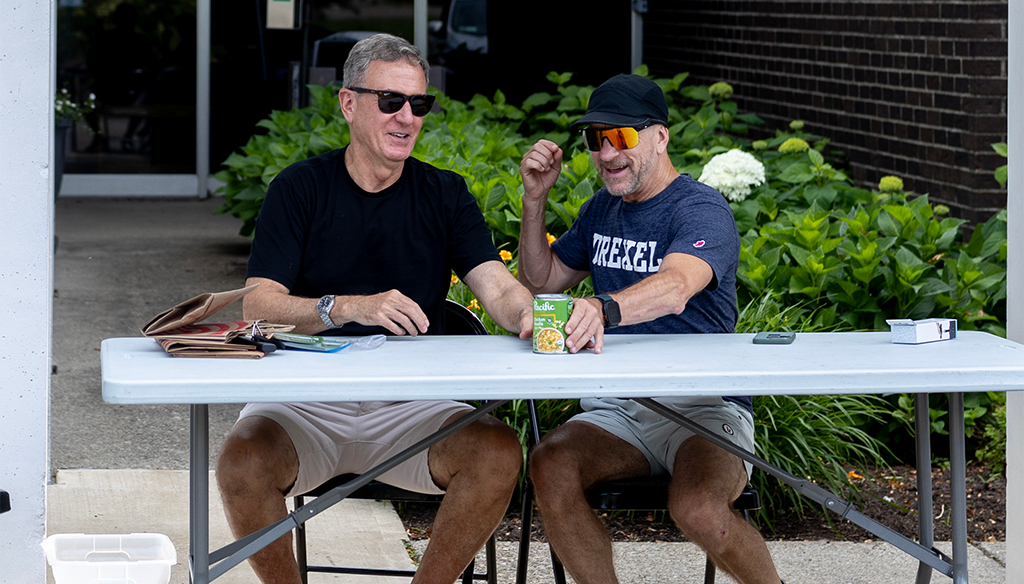
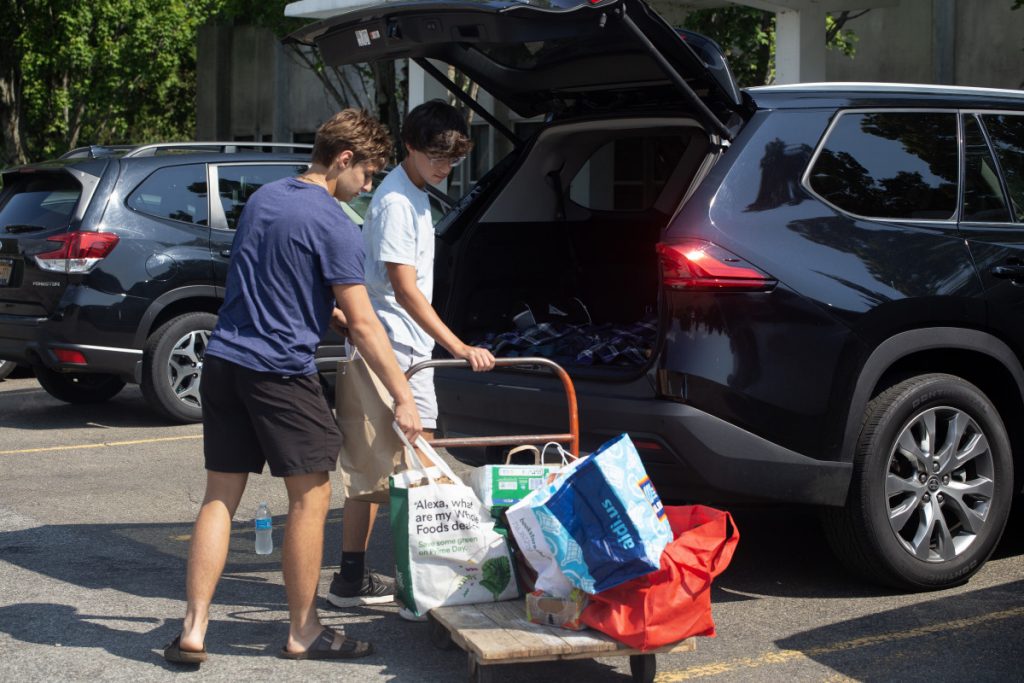
Mark Wenzler first noticed the issue of food waste in Chautauqua Institution a few years ago. A friend who visited for a week with her family asked him to take leftover food after their stay, not wanting to waste their extra purchases. Wenzler holds the position of the Peter Nosler Director of the Climate Change Initiative (CCI) at the Chautauqua Institution, an intellectual and recreational summer resort in New York. Wenzler wondered if the same problem happened with other short-term renters. Now, CCI is working on a solution.
Chautauqua and Chautauqua Property Owners Association are launching a pilot program in the 2026 Summer Season to conserve food waste and combat local food insecurity. Chautauquans with non-perishable food left over at the end of their visit can donate the leftover items at a central drop-off point in front of Turner Community Center.
“Food waste is a major source of greenhouse gas emissions and other environmental problems,” Wenzler said. “But it’s also got a huge potential for helping people in need.”
The drop-off will be open from 9 to 11 a.m. every Saturday until the end of Week Nine. Donations will be distributed to local foodbanks in surrounding areas like Mayville and Jamestown.
Addressing food insecurity in Chautauqua County
Data from Feeding America’s 2023 “Mind the Meal Gap” study estimated 15.4% of Chautauqua County faces food insecurity. Claire Johnson Baker, an independent contractor working with the CCI, said the food rescue was a way to “connect Chautauqua to the broader Chautauqua County system.”
“We have excess, and being able to distribute it, even though it’s only for nine weeks, I think that’s at least a bright spot, and hopefully it can encourage more of that within the county,” Johnson Baker said.
Because this is the first year of the program, Johnson Baker said they would be starting small and “creating bridges wherever we can.”
“It’s exciting to just navigate the initial phases of it and find out what more we can do and how to build it,” she said.
Wenzler said they will check on the program throughout the summer to ensure the food banks are able to utilize the food from Chautauquans.
“What we don’t want to do is create a big burden for these organizations and give them this huge pulse of stuff that they can’t process,” Wenzler said.
Advancing environmental goals through food rescue
The 2026 Season at Chautauqua will have two weeks related to the food rescue program. Week Four will explore society’s relationship to waste, and Week Eight will dive deeper into the environmental and societal impacts of our food system.
“We have, as an Institution, committed to reducing our environmental footprint,” Wenzler said. “So this really helps us advance that goal as well.”
Another version of this story was published in The Chautauquan Daily on July 9, 2026. The Chautauquan Daily is the official newspaper of Chautauqua Institution and is published six days a week over its nine-week summer season. Our Planet Forward Chautauqua Reporting Fellows are generously supported by the Chautauqua Institution’s sustainability initiative and GW’s Berl Brechner Fund.
How do you move the planet forward?
Submit Story

 All Topics