

 All Topics










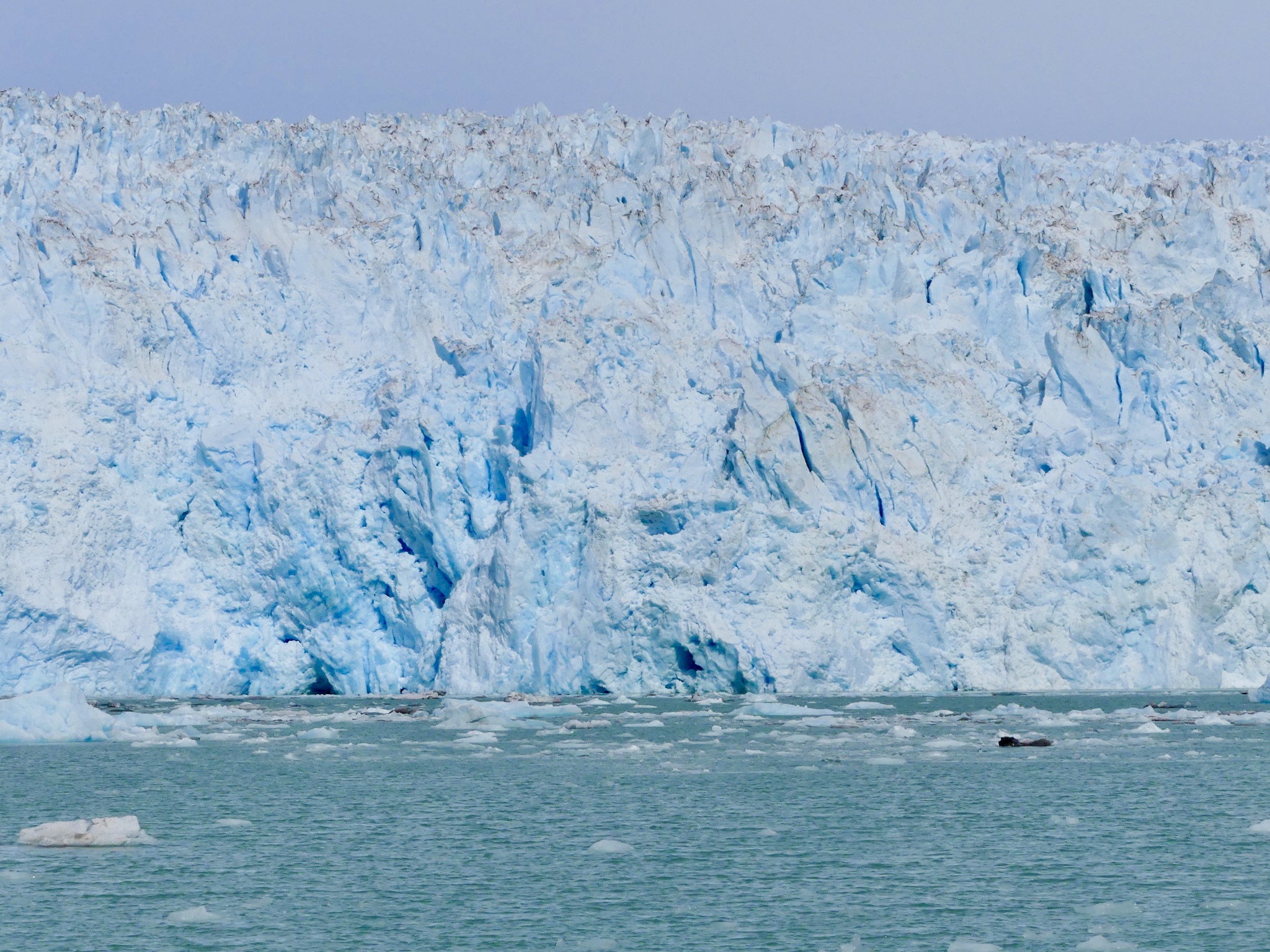
A glacial wall towers above the waters of Lake San Martín, Argentina.
Shayah Kosak

Shayah Kosak
Planet Forward Correspondent | Middlebury College
February 19, 2026
Shayah Kosak
Planet Forward Correspondent | Middlebury College

Who gets to decide the fate of a glacier? This question has come to define my time studying in Chile.
During my exchange year studying geography at the Universidad Austral de Chile, I’ve had the opportunity to witness and examine some of South America’s most distinctive and increasingly threatened mountain ecosystems. I’ve heard the thunder-like cracks of glaciers calving, a visceral reminder of rapid change. Scientific assessments indicate that more than 90 percent of the 626 mapped glaciers in the Patagonian Andes have retreated since the end of the Little Ice Age, illustrating how widespread this transformation has become.
Less widely known is that Argentina enacted a one-of-a-kind glacier protection law 15 years ago, extending legal safeguards not only to glaciers but also to surrounding periglacial environments that regulate water resources. That law is now under active debate, with proposed reforms seeking to roll back key protections and reopen glacierized regions to mining and other extractive activities.
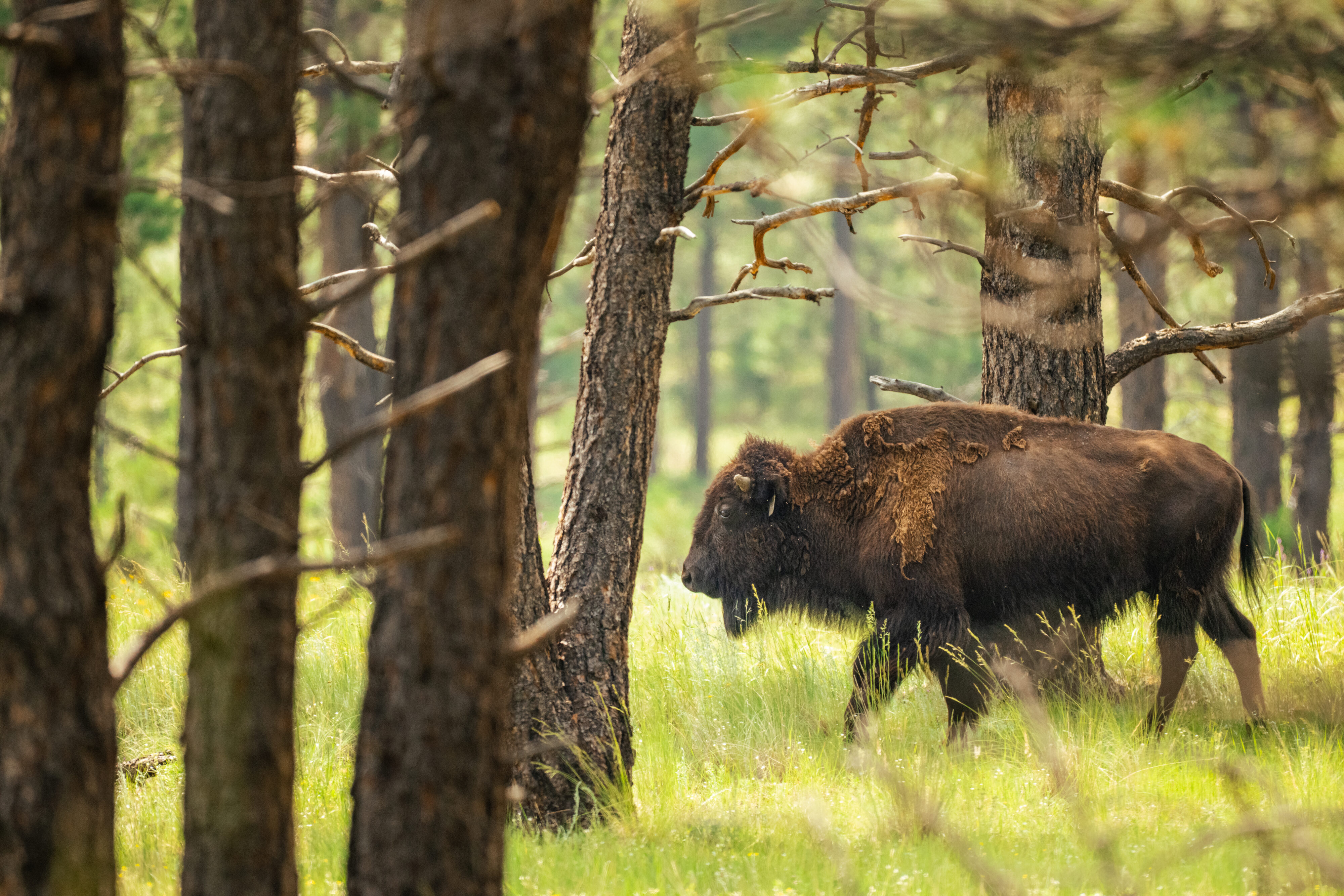
This photo essay explores why Argentina’s glacier law matters, scientifically, hydrologically, and politically, at a moment when its future is being reconsidered. The images were taken during multiple excursions across the Patagonian Andes, documenting landscapes that are both remote and deeply connected to life far downstream.
Read the full story below.

Planet Forward Correspondent | Rutgers University
A project of

in collaboration with